
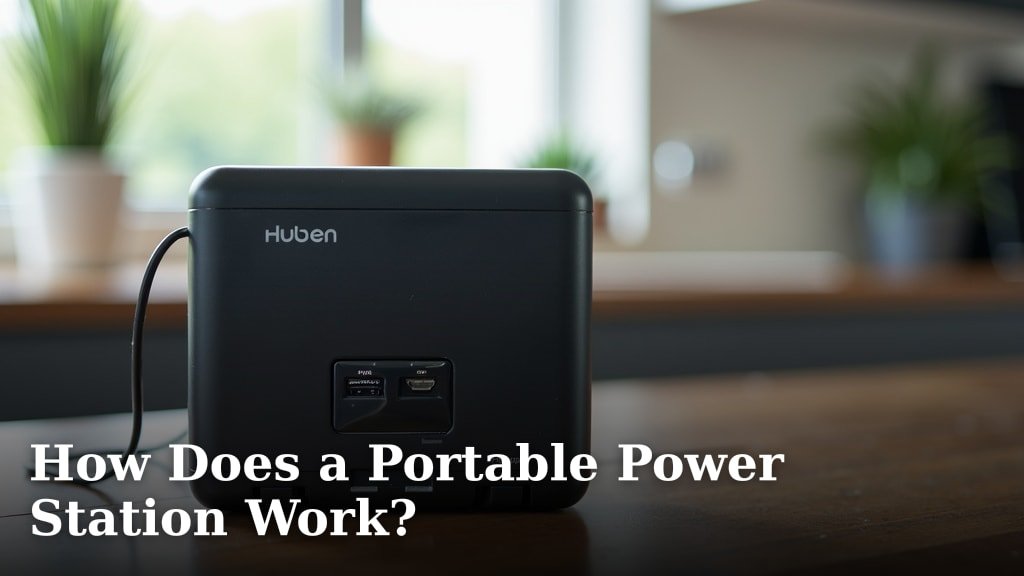
A portable power station works by storing electricity in a large internal battery, then converting it into different types of household power you can use to charge devices and run appliances. Think of it like a giant, super-charged power bank for your home or campsite, offering power on demand.
These handy gadgets combine several key components to create a versatile energy source. They include a robust battery, an inverter to change DC to AC power, and various outlets for all your gear. We’ve done the research and found that understanding these parts helps you see how much power they can deliver.
- Portable power stations store energy in a battery.
- They convert stored DC power to AC household current.
- You can charge phones, laptops, and run small appliances.
- They are great for camping, emergencies, or off-grid living.
So, how does all this magic happen, and what should you look for in one of these devices? Let’s walk through exactly how a portable power station works step by step.
Dissecting How Portable Power Stations Deliver Energy
You’re curious about the nuts and bolts of these devices, right? How do they actually take sunshine or wall power and turn it into something you can use for your phone or a mini-fridge? We found it’s all about a few key components working together in harmony.
At its core, a portable power station is a self-contained unit. It brings together several pieces of technology. Each part has a very specific job in managing your power needs.
The Battery: Heart of the Power Station
The battery is arguably the most important component. It’s where all the energy gets stored. Think of it like a personal energy vault. The type and size of this battery directly affect how much power your station can hold and how long it lasts.
Most modern portable power stations use one of two main battery chemistries. These are chosen for their safety, efficiency, and longevity. You’ll typically see either Lithium-ion (Li-ion) or Lithium Iron Phosphate (LiFePO4) batteries.
Lithium-ion (Li-ion) Batteries
Lithium-ion batteries are common because they offer a good balance of energy density and weight. This means they can store a lot of power without making the unit too heavy. Many of your everyday electronics, like laptops and phones, use Li-ion technology.
They generally have a good cycle life, meaning they can be charged and discharged many times. However, we found that they can be more sensitive to extreme temperatures. They also tend to degrade faster than LiFePO4 batteries over time.
Lithium Iron Phosphate (LiFePO4) Batteries
LiFePO4 batteries are quickly gaining popularity in portable power stations. They are known for their excellent safety features and very long lifespan (NCBI). Compared to Li-ion, they can handle many more charge cycles. This means the battery will last longer before it starts significantly losing capacity.
While often a bit heavier and sometimes larger for the same capacity as Li-ion, their durability makes them a favorite for those seeking a long-term investment. They also perform better in a wider range of temperatures.
The Inverter: Your Power Magician
Once power is stored in the battery as Direct Current (DC), it needs a way to become household power. That’s where the inverter comes in. It’s a clever device that converts DC power into Alternating Current (AC). Most of your home appliances use AC power.
Most portable power stations use a “pure sine wave” inverter. This is important because it produces a very clean and stable electrical wave. This kind of power is safe for even sensitive electronics, like medical devices or high-end audio equipment.
Charging Methods: Fueling Your Station
How do you put power back into your portable power station once it’s depleted? There are several convenient ways. Each method offers flexibility depending on your situation. We found that most stations support multiple charging inputs.
Wall Outlet (AC Charging)
This is the most common and usually the fastest way to charge your power station. You simply plug it into a standard wall outlet. The station’s internal AC charger (or an external power brick) converts the AC power from your home into the DC power needed to charge its battery.
Many modern power stations feature fast-charging technology. This can significantly reduce the time it takes to get back to full capacity. Always use the charger provided by the manufacturer.
Solar Panels (DC Charging)
For off-grid adventures or emergencies, solar charging is invaluable. You connect compatible solar panels to your power station. The panels capture sunlight and convert it into DC electricity. This power then flows into your station’s battery.
Solar charging relies on sunlight intensity, so charging times can vary. We’ve seen that a good sunny day can quickly top off smaller stations. This method is great for sustainable power.
Car Lighter Socket (DC Charging)
You can also charge your portable power station directly from your vehicle’s 12V cigarette lighter socket. This is handy for road trips or when you’re on the move. While slower than wall charging, it’s a convenient option when other power sources aren’t available.
Just remember that drawing power from your car’s battery for too long without the engine running can drain your vehicle’s starting battery. Always be mindful of your car’s power levels.
The Brains: Battery Management System (BMS)
Every quality portable power station has a sophisticated Brains in its Battery Management System (BMS). This system is like the conductor of an orchestra, ensuring all parts work safely and efficiently. The BMS monitors and regulates nearly every aspect of the battery’s operation (Cleveland Clinic).
- Overcharge protection: Prevents the battery from being charged beyond its safe limit.
- Over-discharge protection: Stops the battery from discharging too low, which can damage it.
- Over-current protection: Guards against excessive current flow from connected devices.
- Short-circuit protection: Prevents damage in case of a short circuit.
- Temperature management: Keeps the battery operating within safe temperature ranges.
Without a robust BMS, portable power stations wouldn’t be nearly as safe or reliable. It’s what allows you to trust these devices with your valuable electronics.
Output Ports: Connecting Your Devices
A portable power station isn’t useful if you can’t plug anything into it, right? These stations come equipped with a variety of output ports to match nearly any device you need to power. This versatility is a big part of their appeal.
| Port Type | What It’s For | Common Uses |
|---|---|---|
| AC Outlets (Wall Plugs) | Standard household power | Laptops, mini-fridges, fans, blenders |
| USB-A Ports | Charging smaller devices | Phones, tablets, e-readers |
| USB-C Ports (PD) | Faster charging for modern devices | Laptops, drones, larger phones |
| 12V DC Car Port | Car accessories | Air compressors, car fridges, LED strips |
| 12V DC Barrel Ports | Specific small appliances | CPAP machines, certain lights |
The number and types of ports vary by model. When choosing a power station, consider what devices you plan to power. This will help you find one with the right array of outlets.
The Display: Your Information Hub
Most portable power stations feature an intuitive display. This screen provides crucial information at a glance. It’s your window into what your power station is doing. You can easily monitor its status.
The display typically shows the battery’s charge level, often as a percentage. It also shows the input wattage (how much power is coming in) and the output wattage (how much power your devices are drawing). Some advanced displays even tell you how much time is left until the battery is empty or full, based on current usage.
What Makes a Good Portable Power Station? A Quick Checklist
With so many options out there, how do you pick the right one for you? We’ve learned that a few key factors truly set the best portable power stations apart. Here’s a short checklist to guide your decision-making process:
- Battery Capacity (Wh): How much energy it can store. More Wh usually means longer run times for your devices.
- Output Power (W): The maximum wattage it can provide at once. This tells you what devices it can safely power.
- Battery Type: LiFePO4 offers longer lifespan and safety, while Li-ion can be lighter.
- Number and Type of Ports: Ensure it has the right outlets for all your specific gadgets.
- Recharge Speed: How quickly it can be recharged via various methods like AC wall outlet or solar.
- Portability: Consider its weight, size, and presence of a comfortable handle for carrying.
Choosing a reliable brand is also a smart move. They often have better customer support and warranty coverage. Don’t underestimate the peace of mind that comes with knowing your investment is backed by a reputable company.
Conclusion
Understanding how a portable power station works reveals its true value. You’ve seen how the battery stores energy, the inverter converts it, and the BMS keeps everything safe. These devices offer reliable power for many situations.
From charging on the go to providing backup during outages, portable power stations give you independence. Now you know the core components, you can choose a station that perfectly fits your needs. Get ready to power your adventures and secure your peace of mind.
Frequently Asked Questions
Are portable power stations safe to use indoors?
Yes, portable power stations are very safe for indoor use. Unlike gas generators, they produce no fumes or noise. Their advanced Battery Management Systems (BMS) protect against common electrical issues. We found they are a much safer alternative for home backup.
How long does a portable power station typically last on a single charge?
The run time depends on the station’s battery capacity and the power draw of your devices. A larger capacity (measured in Watt-hours) means longer usage. Running small electronics will last much longer than powering high-wattage appliances.
Can I use a portable power station to jump-start my car?
Most standard portable power stations are not designed for jump-starting vehicles. Some specialized models include jump-start features. Always check the product specifications carefully if this is a feature you need.
Do portable power stations lose charge if not used?
Yes, all batteries experience some self-discharge over time, even when not in use. However, modern portable power stations have very low self-discharge rates. We recommend charging them every 3-6 months to maintain battery health.
What’s the difference between a portable power station and a power bank?
A portable power station is much larger and more powerful than a power bank. Power banks are typically for charging small USB devices like phones. Power stations can run larger AC appliances and offer multiple output ports. Think of it as a significant upgrade in power delivery.
