Portable power tech evolved from basic lead-acid batteries in the 1960s to today’s lithium-ion power stations that can charge multiple devices for days.
This technology revolution transformed outdoor recreation, emergency preparedness, and mobile work by making clean, quiet electricity available anywhere you need it.
Early Battery Technology: The Foundation Years
Back in the 1960s, your portable power options were pretty limited. Lead-acid car batteries were heavy, messy, and dangerous to use indoors. You’d basically strap a 50-pound car battery to a cart and hope for the best.
These early systems could power basic lights and radios. But they were clunky and required careful handling. Spilled acid could burn your skin or damage equipment.
The Lead-Acid Era Challenges
I found that early portable power users faced several problems:
- Batteries weighed 40-60 pounds for minimal capacity
- Acid spills created safety hazards
- Limited charging cycles meant frequent replacements
- Cold weather killed performance
First Commercial Portable Units
The 1970s brought the first purpose-built portable power units. Companies started putting lead-acid batteries in protective cases with built-in outlets.
These units were popular with photographers and TV crews. They needed reliable power away from the grid. Weight was still a major issue, but at least the batteries were contained safely.
The Nickel-Cadmium Revolution
Nickel-cadmium (NiCd) batteries changed everything in the 1980s. They were lighter, more durable, and worked better in cold weather.
You could finally carry decent power without throwing out your back. NiCd batteries also recharged faster than lead-acid options.
Why NiCd Batteries Mattered
Research from that era shows NiCd offered several advantages. They could handle deep discharge cycles without damage. They also held their charge longer when not in use.
The main downside? Memory effect. If you didn’t fully drain the battery before recharging, it would “remember” and lose capacity over time.
Military and Professional Adoption
Military units quickly adopted NiCd portable power systems. They needed reliable electricity for communications equipment in remote locations.
Film crews and news teams also became early adopters. Portable power meant they could work anywhere without generator noise disrupting audio recording.
Nickel-Metal Hydride: The Bridge Technology
The 1990s introduced nickel-metal hydride (NiMH) batteries. These fixed the memory effect problem that plagued NiCd systems.
NiMH batteries also offered higher energy density. You got more power in the same size package. They were also more environmentally friendly than cadmium-based batteries.
Consumer Market Expansion
NiMH technology made portable power more accessible to regular consumers. Camping enthusiasts could power lights, radios, and small appliances without generators.
RV owners started using portable power stations as backup systems. They were quieter than generators and didn’t require fuel storage.
Early Solar Integration
Some manufacturers began offering solar panels with NiMH power stations. The panels were small and not very efficient, but they proved the concept worked.
You could leave your power station in the sun all day and have electricity for camping at night. It was revolutionary for outdoor enthusiasts.
The Lithium-Ion Game Changer
Lithium-ion technology completely transformed portable power in the 2000s. These batteries were lighter, more efficient, and lasted much longer.
A lithium-ion power station could weigh half as much as NiMH equivalent while providing more usable power. They also charged faster and worked better in extreme temperatures.
Energy Density Breakthrough
I found research showing lithium-ion batteries offer 3-5 times the energy density of older technologies. This meant you could carry serious power without needing a truck.
Modern lithium power stations can run refrigerators, power tools, and medical equipment. Things that were impossible with earlier battery technology.
Safety Improvements
Early lithium batteries had safety concerns. They could overheat or catch fire if damaged or overcharged.
Modern power stations include multiple safety systems:
- Battery management systems prevent overcharging
- Temperature monitoring shuts down dangerous conditions
- Circuit protection prevents short circuits
- Quality cases protect against physical damage
Lithium Iron Phosphate Advancement
Lithium iron phosphate (LiFePO4) batteries represent the current gold standard. They’re safer, last longer, and handle more charge cycles than basic lithium-ion.
Many experts consider LiFePO4 the best balance of safety, performance, and longevity for portable power applications.
Modern Power Station Features
Today’s portable power stations are basically small power plants. They include features that would have seemed like science fiction 20 years ago.
You can monitor and control them with smartphone apps. They support fast charging from wall outlets, car chargers, and solar panels simultaneously.
Output Options Revolution
Modern units provide multiple output types in one device:
- AC outlets for household appliances
- USB-A and USB-C for devices
- 12V outlets for car accessories
- Wireless charging pads
- DC barrel connectors for specialized equipment
Capacity and Power Range
You can now choose from tiny 150Wh units that fit in a backpack to massive 6000Wh+ systems that can power entire homes during outages.
The sweet spot for most people seems to be 500-1500Wh capacity. This provides enough power for camping trips or emergency backup without being too heavy to move around.
Pure Sine Wave Inverters
Early portable power units used modified sine wave inverters. These were cheaper but could damage sensitive electronics.
Modern stations use pure sine wave inverters that provide clean power identical to your home electrical system. Your devices run better and last longer.
Solar Integration and Renewable Charging
Solar panel integration transformed portable power from a temporary solution to a sustainable system. You can now stay off-grid indefinitely with the right setup.
Modern solar panels are much more efficient than early versions. A 100W panel today produces more power than 200W panels from 15 years ago.
Maximum Power Point Tracking
MPPT charge controllers automatically adjust to get maximum power from solar panels under changing conditions.
Clouds, shadows, and panel angles all affect solar output. MPPT technology ensures you capture every available watt throughout the day.
Portable Solar Solutions
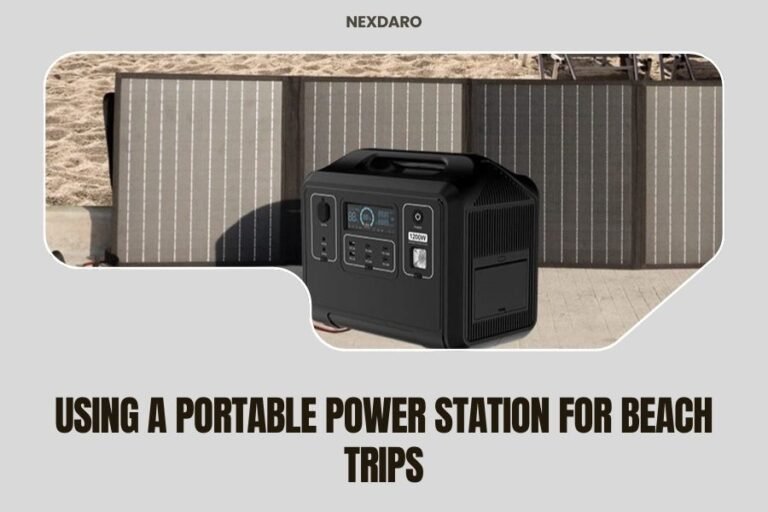
Foldable solar panels make renewable charging truly portable. You can pack serious solar capacity that weighs just a few pounds.
Some panels fold down to briefcase size but provide 100-200 watts of charging power when deployed. Perfect for RV trips or emergency preparedness.
Impact on Outdoor Recreation
Portable power technology completely changed outdoor recreation. You can now bring modern conveniences camping without destroying the natural experience.
Electric coolers keep food fresh. LED lights provide bright, long-lasting illumination. You can charge cameras, phones, and GPS devices anywhere.
Van Life and Overlanding Growth
The van life movement exploded partly because portable power made mobile living practical. You can work remotely from anywhere with decent solar and battery capacity.
Overlanders use portable power for navigation, communication, and safety equipment. It’s now possible to stay connected even in remote wilderness areas.
Quiet Operation Benefits
Unlike generators, power stations operate silently. This preserves the peaceful outdoor experience while providing necessary electricity.
You can run devices all night without disturbing wildlife or other campers. Many campgrounds also restrict generator hours but allow battery-powered equipment.
Emergency Preparedness Revolution
Natural disasters made people realize how dependent we are on grid electricity. Portable power stations provide crucial backup without generator downsides.
They’re safe to use indoors, operate silently, and start instantly. No fuel storage, maintenance, or carbon monoxide risks.
Medical Device Support
People with medical devices can now maintain power during outages. CPAP machines, oxygen concentrators, and medication refrigeration stay operational.
Many power stations can run CPAP machines for multiple nights on a single charge. This provides peace of mind during extended power outages.
Communication and Information Access
Staying connected during emergencies is critical. Portable power keeps phones, radios, and internet devices operational when the grid fails.
You can receive emergency alerts, communicate with family, and access important information. These capabilities can literally save lives during disasters.
| Era | Technology | Key Advantage | Main Limitation |
|---|---|---|---|
| 1960s-1970s | Lead-Acid | Inexpensive, Available | Heavy, Dangerous |
| 1980s | Nickel-Cadmium | Lighter, More Durable | Memory Effect |
| 1990s | Nickel-Metal Hydride | No Memory Effect | Limited Capacity |
| 2000s-Present | Lithium-Ion | High Energy Density | Higher Cost |
Future Technology Trends
Portable power technology continues advancing rapidly. Solid-state batteries promise even higher energy density and safety.
Wireless power transfer might eliminate cables completely. Imagine charging your power station just by placing it on a pad.
Artificial Intelligence Integration
Smart power management systems will optimize charging and usage automatically. Your power station will learn your patterns and adjust accordingly.
AI could predict power needs, manage solar charging, and extend battery life through intelligent load balancing.
Grid Integration Possibilities
Future power stations might sell excess solar power back to utility companies. Your portable power system could actually make money when not in use.
Vehicle-to-grid technology will let electric cars function as giant power stations. The lines between transportation and energy storage continue blurring.
Conclusion
The evolution of portable power tech represents one of the most practical technology revolutions of the past 60 years. We’ve gone from dangerous, heavy lead-acid batteries to sophisticated lithium systems that rival home electrical systems.
This technology transformed outdoor recreation, emergency preparedness, and mobile work. You can now access clean, quiet, reliable power anywhere you need it. The future promises even better solutions with solid-state batteries, AI optimization, and seamless grid integration.
Whether you’re planning camping adventures, preparing for emergencies, or considering van life, portable power technology makes it all possible. The days of being tethered to wall outlets are officially over.
What was the biggest breakthrough in portable power history?
Lithium-ion battery technology was the biggest game changer, offering 3-5 times the energy density of previous technologies while being lighter, safer, and more durable than earlier options.
How did solar integration change portable power stations?
Solar integration transformed portable power from a temporary solution to a sustainable system, allowing indefinite off-grid living with modern MPPT charge controllers and high-efficiency foldable panels.
Why are modern power stations better for emergency preparedness than generators?
Power stations operate silently, start instantly, are safe to use indoors, require no fuel storage or maintenance, and produce no carbon monoxide or other emissions that make generators dangerous.
What capacity portable power station do most people need?
Most people find 500-1500Wh capacity provides the best balance of power availability and portability, offering enough energy for camping trips or emergency backup without being too heavy to transport easily.
How long do modern lithium power station batteries typically last?
Quality lithium iron phosphate batteries in modern power stations typically last 2000-4000 charge cycles, which translates to 6-10 years of regular use before capacity drops to 80% of original.