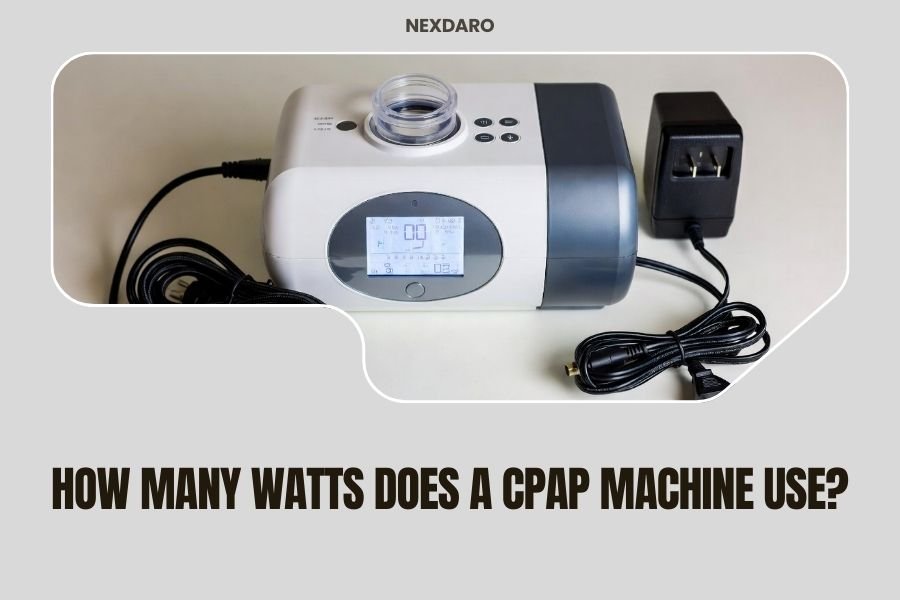
A standard CPAP machine uses between 30-60 watts of power during normal operation, with most models averaging around 40 watts per hour.
Your CPAP machine’s actual power consumption depends on your pressure settings, humidifier use, and heated tube features.
CPAP Power Consumption Basics
When you’re planning camping trips or preparing for power outages, knowing your CPAP’s energy needs becomes pretty important. Think of watts like the fuel your car uses – different models burn different amounts.
Most CPAP machines fall into predictable power ranges. I researched various manufacturers and found that basic units without humidifiers typically use 30-40 watts. Add a heated humidifier and heated tubing, and you’re looking at 50-90 watts total.
Standard CPAP Wattage by Type
Your machine type makes a big difference in power draw. Here’s what I found from manufacturer specifications:
- Basic CPAP machines: 30-40 watts
- CPAP with heated humidifier: 50-70 watts
- BiPAP machines: 40-60 watts
- Auto-adjusting CPAP: 35-50 watts
- Travel CPAP units: 8-24 watts
What Affects Your CPAP’s Power Usage
Several factors change how much electricity your machine pulls. Your pressure settings play the biggest role – higher pressures mean the motor works harder.
Temperature settings on your humidifier can double your power consumption. I found that heated tubes add another 10-15 watts on top of your base usage.
Pressure Settings Impact
Lower pressures around 4-8 cmH2O use less power than higher pressures of 15-20 cmH2O. The motor doesn’t have to work as hard to push air through your mask.
Humidifier Heat Levels
Running your humidifier on high heat can add 20-40 watts to your total consumption. Many people find medium settings work well while saving power.
Calculating Your Nightly Power Needs
Want to know exactly how much power you’ll use overnight? It’s pretty straightforward math.
Take your machine’s wattage and multiply by hours of use. A 50-watt CPAP running 8 hours uses 400 watt-hours (or 0.4 kilowatt-hours).
Real-World Power Consumption Examples
| CPAP Setup | Watts Used | 8-Hour Total |
|---|---|---|
| Basic CPAP only | 35W | 280Wh |
| CPAP + cold humidifier | 40W | 320Wh |
| CPAP + heated humidifier | 65W | 520Wh |
| Full setup with heated tube | 80W | 640Wh |
Finding Your Machine’s Exact Wattage
Check your CPAP’s power adapter or user manual for precise numbers. The adapter usually shows input and output specs clearly labeled.
You can also use a kill-a-watt meter to measure actual consumption. I heard from sleep tech experts that real usage often runs 10-20% lower than maximum rated power.
Portable Power Station Requirements
Planning to run your CPAP off-grid? You’ll need the right battery capacity and power output.
Most portable power stations work great with CPAP machines. Look for units with at least 300-500 watt-hours of capacity for one full night.
Battery Capacity Guidelines
Your power station needs enough stored energy for your entire sleep period, plus some buffer. I researched camping forums and found these common recommendations:
- One night: 300-600Wh capacity
- Two nights: 600-1200Wh capacity
- Weekend trips: 1000Wh+ recommended
AC vs DC Power Options
Many CPAP machines can run on 12V DC power, which saves energy compared to using AC outlets. DC power skips the conversion process, giving you about 10-15% longer runtime.
Pure Sine Wave Requirements
Your CPAP needs clean power to run properly. Make sure any power station or inverter provides pure sine wave output, not modified sine wave.
Popular Power Station Matches
Different battery sizes work for different camping styles. Here’s what I found works well:
For basic CPAP setups, 300-400Wh stations handle one night easily. Add heated humidification, and you’ll want 500-800Wh units for comfort.
Matching Capacity to Your Needs
Calculate your nightly usage, then add 25% buffer for efficiency losses. A 400Wh night should use a 500Wh+ battery for best results.
Energy-Saving Tips for CPAP Users
Small changes can stretch your battery life significantly. Sometimes you can cut power consumption by 30-40% without affecting your therapy.
Humidifier Adjustments
Lower your heat settings gradually until you find the minimum comfortable level. Many users run higher heat than needed out of habit.
Try using distilled water at room temperature instead of cold water. Your humidifier won’t work as hard to warm it up.
Tube Insulation Options
Wrapping your CPAP tube in a towel or tube cover reduces heat loss. This lets you run lower heater settings while maintaining comfort.
Pressure Optimization
Work with your sleep doctor to find your minimum effective pressure. Even small reductions can save meaningful power over eight hours.
Auto-adjusting machines often use less average power than fixed-pressure units. They only increase pressure when needed during the night.
Mask Leak Prevention
Good mask fit prevents your machine from working overtime to maintain pressure. Check your mask seal before each trip.
Travel CPAP Considerations
Travel CPAP machines use dramatically less power – often 75% less than full-size units. They’re perfect for extended camping or international travel.
I found that most travel CPAPs use 8-24 watts, meaning you can run them 2-3 nights on the same battery that powers a full-size unit once.
Trade-offs with Travel Units
Travel machines usually lack advanced features like heated humidifiers or data tracking. You’ll need to decide if the power savings outweigh these limitations.
Backup Power Strategies
Consider bringing both your regular CPAP and a travel unit. Use the travel CPAP when battery power runs low.
Cost Analysis of CPAP Power Usage
Running a CPAP at home costs surprisingly little. At average electricity rates, most users spend $15-30 per year on CPAP power.
A 50-watt CPAP running 8 hours daily uses about 146 kWh annually. At 12 cents per kWh, that’s roughly $17.50 per year.
Comparing Operating Costs
Your heated humidifier probably costs more to run than the CPAP itself. High heat settings can double your annual electricity costs.
Solar Charging Options
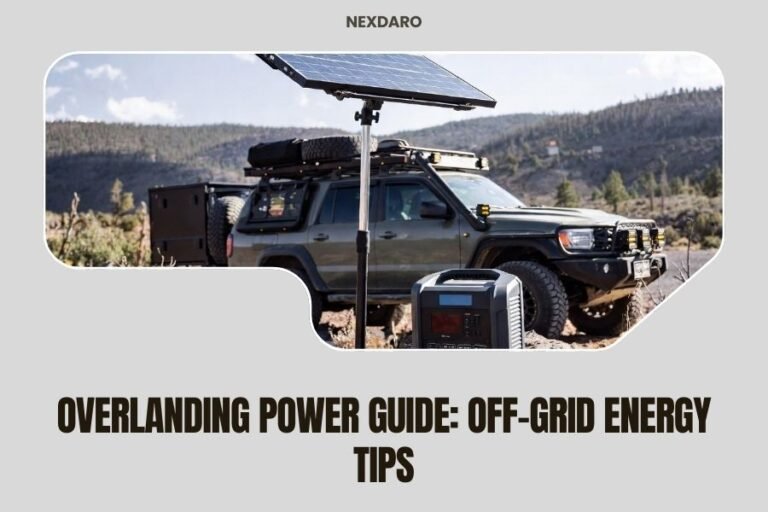
Solar panels can easily keep up with CPAP power needs during extended camping. A 100-watt solar panel generates enough daily power for most CPAP setups.
Troubleshooting Power Issues
Sometimes your CPAP might use more power than expected. Dirty filters make the motor work harder, increasing energy consumption.
Old machines often draw more power as internal components wear out. If your battery life suddenly drops, consider having your CPAP serviced.
Common Power Problems
Voltage drops from long extension cords or weak outlets can make your CPAP work inefficiently. Always plug directly into strong power sources when possible.
Temperature extremes affect both your CPAP and battery performance. Keep equipment at moderate temperatures for best efficiency.
Conclusion
Your CPAP machine uses 30-60 watts on average, making it quite manageable for portable power solutions. With proper planning and a suitable power station, you can enjoy quality sleep therapy anywhere your adventures take you. Remember that small adjustments to heat settings and pressure can significantly extend your battery life without compromising your treatment. Whether you’re car camping for a weekend or spending weeks off-grid, understanding your CPAP’s power needs helps you choose the right portable power setup and sleep soundly under the stars.
How long will a 500Wh power station run my CPAP?
A 500Wh power station typically runs a standard CPAP for 8-12 hours, depending on your pressure settings and whether you use heated humidification. Basic CPAP setups can get closer to 12+ hours, while full setups with heated tubes may get 6-8 hours.
Can I use a car battery to power my CPAP while camping?
Yes, you can use a car battery with a pure sine wave inverter to power your CPAP. A typical car battery provides 600-800Wh of usable capacity, giving you 1-2 nights of CPAP use without running the engine. Just avoid draining the battery completely if you need to drive home.
Do BiPAP machines use more power than regular CPAP machines?
BiPAP machines typically use similar or slightly more power than CPAP machines, usually 40-60 watts. The difference comes from the more complex motor control needed to provide two different pressure levels, but it’s not dramatically higher than a regular CPAP with similar features.
Will altitude affect my CPAP’s power consumption during mountain camping?
Higher altitudes can slightly increase your CPAP’s power usage because the motor works harder to move the thinner air. The difference is usually minimal (5-10% increase), but some machines have altitude compensation features that may draw a bit more power to maintain proper therapy pressure.
Should I buy a DC adapter for my CPAP to save battery power?
Yes, DC adapters typically save 10-15% battery power by avoiding AC conversion losses. If your CPAP manufacturer offers a 12V DC adapter, it’s worth buying for camping and emergency use. Make sure to buy the official adapter to avoid voiding your warranty or damaging your machine.