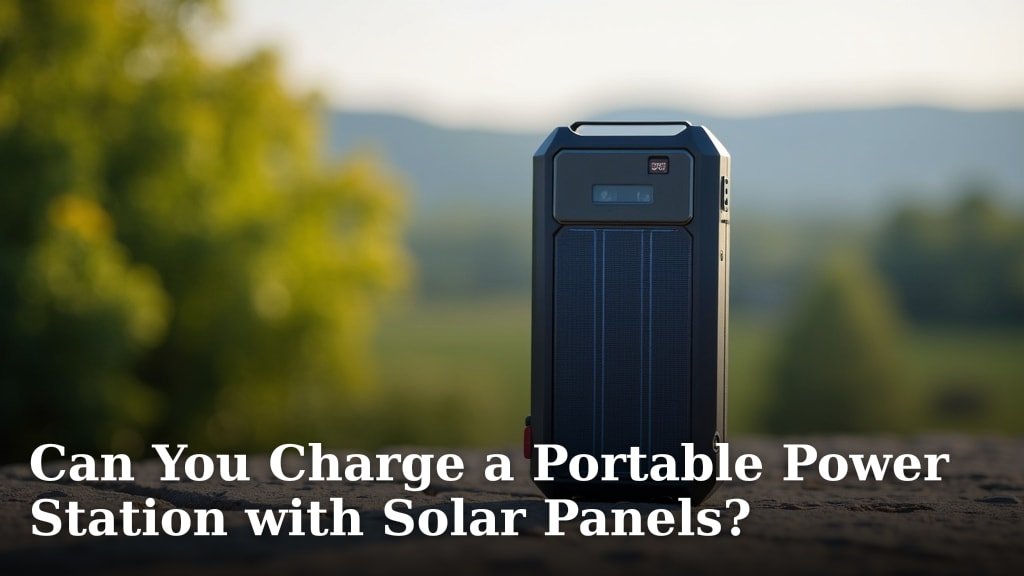
Yes, you can absolutely charge a portable power station with solar panels. It’s a smart and eco-friendly way to keep your devices powered up, especially when you’re off the grid or facing an outage. We’ve found that this combination offers incredible flexibility.
This setup lets you harness the sun’s energy, converting it into usable power for your portable station. You get clean, renewable energy on demand. It’s perfect for camping, RV trips, or just having a reliable backup power source at home.
- Portable power stations are rechargeable.
- Solar panels convert sunlight to electricity.
- Connecting them creates an amazing power solution.
- This offers freedom from traditional power outlets.
- It’s a sustainable choice for your energy needs.
Let’s dive into all the essential details about how to do this safely and efficiently. We’ll guide you through everything you need to know about charging your portable power station using solar panels.
Powering Your Station with Sunlight: The How-To Guide
Yes, absolutely! You can reliably charge your portable power station using solar panels. It’s a fantastic way to generate electricity when you’re far from wall outlets. Many people find this setup incredibly useful for outdoor adventures.
Understanding How Solar Charging Works
Think of it like this: solar panels capture energy from the sun. Then, they convert that sunlight into electricity. This electricity flows into your power station, topping up its internal battery. It’s a clean and renewable process.
The Role of Photovoltaic Cells
Solar panels are made of many small cells called photovoltaic cells. When sunlight hits these cells, they create an electric current. This current is direct current (DC) electricity, which is what your power station needs.
What You’ll Need: Key Components
To start charging with solar, you don’t need a complicated lab. You usually need just two main things:
- Your portable power station (the battery storage).
- A compatible solar panel (the energy collector).
Sometimes, additional cables or adapters are necessary. We’ll cover those next.
Choosing the Right Solar Panels
Not all solar panels are the same. For portable power stations, you’ll typically look at portable, foldable panels. They are easy to transport and set up. Check your power station’s manual for recommended panel types and wattage.
Essential Cables and Connectors
Most portable solar panels come with standard connectors like MC4 or Anderson connectors. Your power station will have an input port that matches one of these. If not, a specific adapter cable might be needed. Always ensure a secure fit.
Connecting Your Solar Panels to Your Power Station
Connecting them is usually a breeze. Most systems are designed for plug-and-play simplicity. We found that following the manufacturer’s instructions is key for success.
Here’s a general checklist:
- Unfold your solar panel(s) in a sunny spot.
- Locate the solar input port on your power station.
- Connect the solar panel’s output cable to the power station’s input.
- Ensure all connections are firm and secure.
- Verify that the power station shows it’s charging.
Optimizing Your Solar Charging Efficiency
You want your solar panels to work their best, right? A few simple tricks can boost charging speed. Think about it like sunbathing: the more direct sun, the better.
Panel Placement and Angle
The most important factor is sunlight exposure. Position your panels directly facing the sun. Angle them for the most direct sunlight possible. This often means adjusting them throughout the day as the sun moves.
Avoiding Shade and Obstructions
Even a small shadow on one part of your panel can significantly reduce its output. Try to keep your panels in a spot that gets uninterrupted sunlight. Trees, buildings, or even your own gear can cast disruptive shadows.
Monitoring the Charging Process
Most portable power stations have a display showing the input wattage. Keep an eye on this number. A higher wattage means faster charging. If the number drops, check your panel’s angle or for any new shadows.
Factors Affecting Solar Charging Time
How long does it take? That’s a common question. The answer isn’t always simple, as several things impact the speed.
Let’s look at the main factors:
| Factor | Impact on Charging Time |
|---|---|
| Solar Panel Wattage | Higher wattage panels charge faster. More power from the sun. |
| Power Station Capacity | Larger battery capacities take longer to fill up. More storage to charge. |
| Sunlight Intensity | Bright, direct sun charges quickly. Cloudy days slow things down. |
| Temperature | Extreme heat or cold can decrease efficiency. Moderate temperatures are best. |
| Panel Angle/Shade | Poor angle or shade dramatically reduces input. Optimal positioning matters. |
Benefits of Solar Charging Your Power Station
Why bother with solar? The advantages are pretty compelling. We find it offers unparalleled freedom and peace of mind.
- Eco-Friendly Power: You’re using clean, renewable energy from the sun.
- Off-Grid Capability: Stay powered up anywhere, even far from outlets.
- Cost Savings: Reduce reliance on grid electricity, saving money over time.
- Silent Operation: Unlike gas generators, solar charging is completely quiet.
- Emergency Preparedness: A reliable backup during power outages or disasters.
Common Questions and Troubleshooting Tips
Sometimes things don’t go exactly as planned. We’ve gathered some common issues and their solutions to help you out.
“My power station isn’t charging from the solar panels.”
First, check all your connections. Are they tight? Next, look at your panels. Are they in full sunlight? Is there any shade? Also, verify your panel’s output voltage is compatible with your power station’s input requirements. Sometimes a simple reconnection works wonders.
“The charging is very slow.”
This often comes down to sunlight exposure. Re-angle your panels. Ensure they’re not partially shaded. If it’s a cloudy day, expect slower charging. Larger capacity power stations also inherently take longer to charge fully.
“Do I need a charge controller?”
Most modern portable power stations have a built-in MPPT (Maximum Power Point Tracking) charge controller. This essential component manages the incoming power from the solar panels, optimizing it for efficient battery charging and protecting against overcharging. So, for most setups, you won’t need a separate one. Always check your power station’s specifications, though.
Safety First: Important Considerations
Working with electricity, even low-voltage solar, requires a bit of care. Safety should always be your top priority. We always recommend reading your user manuals thoroughly.
- Always use the correct cables and connectors.
- Avoid exposing panels or power stations to excessive moisture.
- Do not attempt to modify cables or components unless you are an expert.
- Keep panels and power stations in well-ventilated areas during use.
- Store your equipment in a dry, safe place away from extreme temperatures.
Conclusion
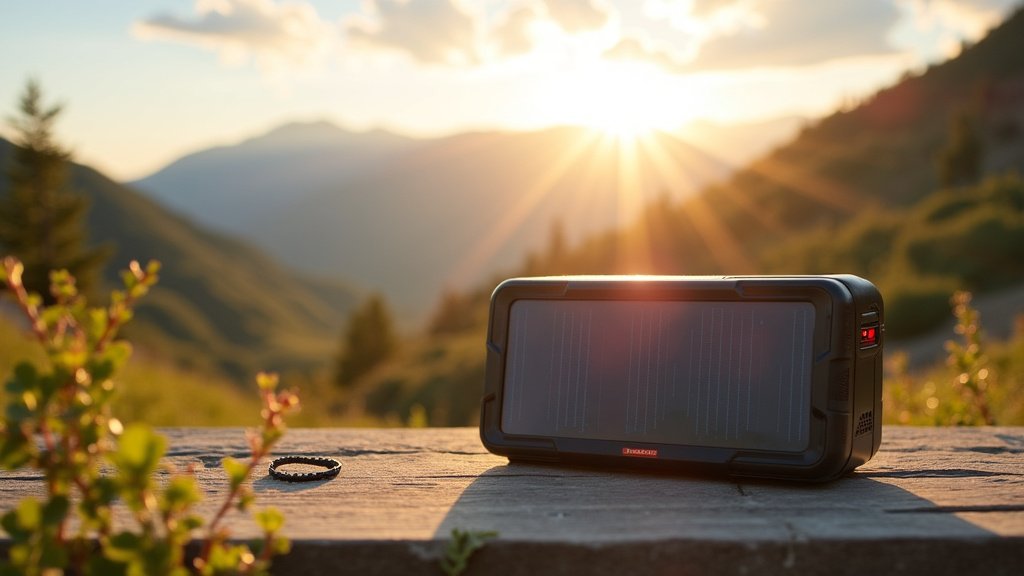
Charging your portable power station with solar panels offers remarkable independence. You’re harnessing clean, free energy, perfect for any adventure or for peace of mind during outages. We’ve shown you how straightforward it can be to get this system working efficiently.
Remember to match your components, optimize panel placement, and keep an eye on performance. This method provides a reliable, eco-friendly power solution. Embrace the sun’s power and enjoy uninterrupted energy wherever you go!
Frequently Asked Questions
Can I leave my portable power station charging via solar panels indefinitely?
Most modern portable power stations have built-in charge controllers that prevent overcharging. This means you can generally leave them connected to solar panels without worry. However, always check your specific model’s manual for manufacturer recommendations and optimal battery health practices.
Do all portable power stations accept solar input?
While many portable power stations are designed to be charged by solar panels, it’s not a universal feature. Always confirm that your specific power station model has a dedicated solar input port and is rated for solar charging. Check the product specifications or user manual before purchasing panels.
What’s the best time of day to charge with solar panels?
The most efficient solar charging typically occurs around midday when the sun is highest and most direct. Angling your panels to face the sun can maximize input during these peak hours. While some charging happens earlier or later, the intensity will be lower.
Can solar panels charge my power station on a cloudy day?
Yes, solar panels can still generate electricity on cloudy days, but at a significantly reduced rate. Heavy cloud cover can decrease efficiency by 50% or more compared to bright, direct sunlight. You’ll still get some power, but charging will be much slower.
Are portable solar panels waterproof?
Many portable solar panels are designed to be weather-resistant, meaning they can withstand light rain or splashes. However, few are fully waterproof and submersible. Always check the IP (Ingress Protection) rating of your specific panels. Avoid prolonged exposure to heavy rain or standing water.