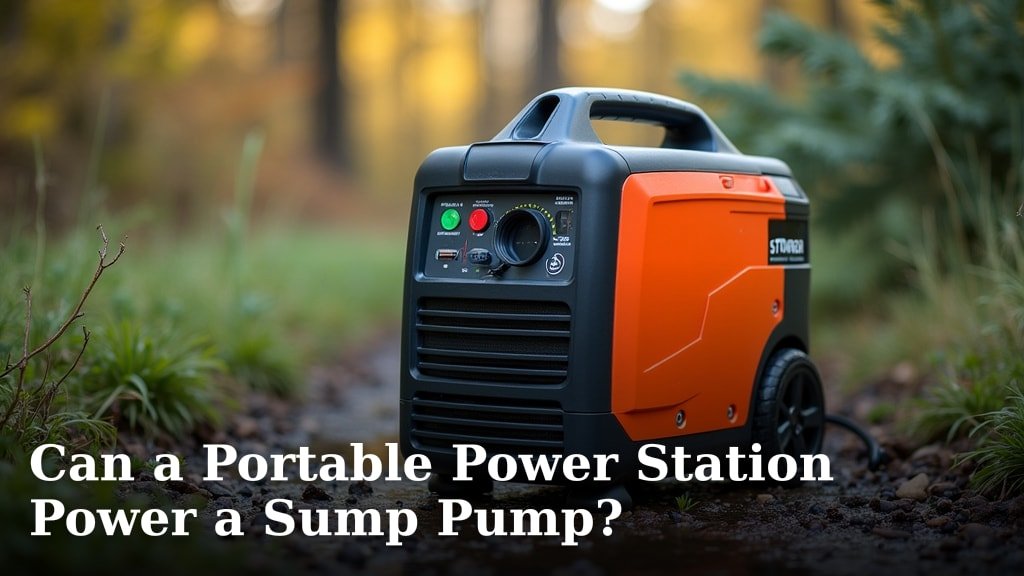
Yes, a portable power station can power a sump pump, but it depends on the power station’s capacity and the sump pump’s wattage. You’ll need to match the output of the power station to the electrical demands of your pump. This setup can be a real lifesaver during a power outage.
When the grid goes down, a reliable backup power source for your sump pump is essential to prevent basement flooding. We found that understanding your pump’s power needs is the first step in choosing the right portable power station. Don’t worry, it’s not as complicated as it sounds.
- Portable power stations can run sump pumps.
- Matching power station output to pump wattage is key.
- This setup prevents flooding during outages.
- Understanding your pump’s power needs comes first.
You’re likely wondering how to figure out what you need. Let’s walk through exactly how to select the right portable power station for your sump pump and keep your basement dry.
Powering Your Sump Pump During Outages
You’re looking for peace of mind when the power goes out, especially with a basement below ground. We understand that a flooded basement is a nightmare no one wants to experience. The good news is, keeping your sump pump running with a portable power station is totally doable. It just requires a little planning.
Think of it like preparing for a long road trip. You wouldn’t just grab any car and hit the highway, right? You’d check the gas, the tires, and make sure it’s the right vehicle for the journey. Similarly, choosing the right portable power station for your sump pump means understanding both your pump’s needs and the power station’s capabilities. Let’s make sure you pick the perfect match.
Understanding Your Sump Pump’s Power Needs
Before you even look at portable power stations, you need to know what your sump pump demands. This is the most critical step. Trying to power a large, heavy-duty pump with a small, underpowered station is like trying to lift a car with a toy crane; it just won’t work.
Sump pumps have two main power ratings: running watts and surge (or starting) watts. The running wattage is what the pump needs to operate continuously. The surge wattage is a higher burst of power needed for a few seconds to get the motor started. This surge can be significantly higher than the running watts, and it’s where many people get tripped up.
Finding Your Pump’s Wattage Information
Where do you find these numbers? Most often, they’re on a label directly on the sump pump itself. Look for terms like “Volts (V),” “Amps (A),” and “Watts (W).” If you see Volts and Amps but no Watts, you can easily calculate it. Just multiply the Volts by the Amps (Watts = Volts x Amps). Most residential sump pumps run on 120V AC power.
For surge watts, it’s a bit trickier. Many pump manufacturers will list it in the owner’s manual or on their website. As a general rule, a pump’s starting wattage can be 2 to 3 times its running wattage. For example, a pump that runs at 800 watts might need 1600 to 2400 watts to start. Always prioritize finding the actual surge watt rating if possible.
What is a Portable Power Station?
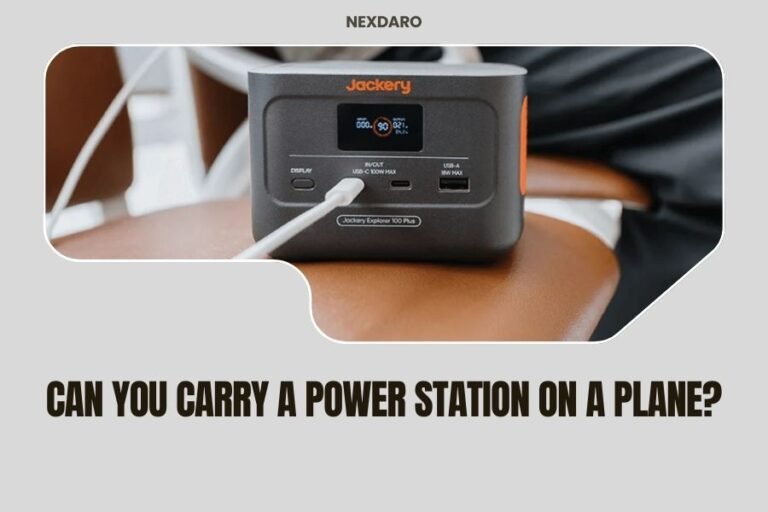
So, what exactly are we talking about when we say “portable power station”? Imagine a large, rechargeable battery packed into a box, usually with several outlets. It’s like a big, beefed-up version of the power bank you use for your phone.
These stations are designed to provide AC (alternating current) power, just like the outlets in your home, along with DC (direct current) ports and USB charging options. They’re much quieter and safer than gas generators for indoor use, as they produce no fumes. They are powered by lithium-ion batteries, similar to those in electric cars, and can be recharged from a wall outlet, a car, or even solar panels.
Matching Your Power Station to Your Sump Pump
This is where the magic happens. You need a portable power station that can handle both the running watts and the surge watts of your sump pump. If the power station’s continuous output isn’t high enough for the running watts, it won’t keep the pump going. If its surge output isn’t high enough, the pump simply won’t start.
Check the specifications of any portable power station you’re considering. Look for two key numbers: “Rated Power” (or “Continuous Output”) and “Peak Power” (or “Surge Output”). The rated power must exceed your sump pump’s running watts, and the peak power must exceed your sump pump’s surge watts.
Capacity Considerations: How Long Will It Run?
Beyond just starting and running the pump, you need to consider how long you want it to run. This comes down to the power station’s battery capacity, measured in Watt-hours (Wh). A Watt-hour tells you how many watts a device can provide for one hour. For example, a 1000Wh power station can theoretically run a 100-watt device for 10 hours (1000Wh / 100W = 10 hours).
However, running a sump pump is not continuous. A sump pump typically cycles on and off, depending on how quickly water enters your pit. For this reason, estimating run time can be a bit tricky. We suggest you consider your average pump duty cycle. If your pump runs for 1 minute every 10 minutes, it’s only operating for 10% of the time, meaning a 1000Wh station could power it for far longer than 10 actual hours.
When selecting your power station, consider the typical duration of power outages in your area. Do they last a few hours or an entire day? Choose a capacity that gives you enough buffer. It’s always better to have a bit more capacity than you think you’ll need.
| Pump Rating (Example) | Minimum Power Station (Continuous) | Minimum Power Station (Surge) | Recommended Capacity (Wh) |
|---|---|---|---|
| 1/3 HP (300-500W run, 900-1500W surge) | 500-600W | 1500-1800W | 1000Wh+ |
| 1/2 HP (600-800W run, 1800-2400W surge) | 800-900W | 2400-2700W | 1500Wh+ |
| 3/4 HP (800-1200W run, 2400-3600W surge) | 1200-1400W | 3600-4000W | 2000Wh+ |
Please note: These are general estimates. Always check your specific pump’s actual wattage and surge requirements.
Safety First: Wiring and Setup
Alright, you’ve got your sump pump’s numbers, and you’re eyeing a powerful portable power station. Now, how do you actually get them to talk to each other safely? Directly plugging in your sump pump to the portable power station is the most straightforward and safest method for a temporary backup solution.
You’ll need a good, heavy-duty extension cord. Make sure the cord is rated for outdoor use and can handle the pump’s wattage. Avoid using thin, household extension cords, as they can overheat and become a fire hazard, especially with high-wattage appliances like sump pumps. Look for a cord with a gauge of 12 or 14 AWG for most sump pump applications (National Electrical Code).
Placement and Environmental Factors
Where are you putting this portable power station? Remember, these are electrical devices. You’ll want to keep it in a dry, accessible location, away from the sump pit itself. Never place the power station directly on the floor where it could get wet if your sump pump fails or your basement floods despite your efforts. Elevate it on a sturdy table or shelf.
Also, ensure there’s good ventilation around the power station. While they don’t produce exhaust fumes like gas generators, they can generate heat, and proper airflow helps them operate efficiently and safely.
Choosing the Right Power Station Features
Not all portable power stations are created equal. Beyond raw power and capacity, consider these features:
- Pure Sine Wave Inverter: This ensures the power output is clean and stable, similar to what you get from your wall outlets. It’s safer for sensitive electronics and motors, including your sump pump. Most reputable units have this feature.
- Recharge Time: How quickly can you recharge the power station once the grid comes back on? Fast charging is a huge plus.
- Multiple Output Ports: While for a sump pump you primarily need AC outlets, having USB and DC ports can be useful for charging phones and other small devices.
- Durability: If you plan to use it outdoors for other applications or store it in a garage, a robust, impact-resistant casing is a good idea.
- Warranty and Support: A good warranty gives you peace of mind, and reliable customer support is helpful if you have questions.
Checklist for Sump Pump Backup Power
Ready to get started? Use this quick checklist to ensure you’ve thought of everything:
- Did you identify your sump pump’s running watts and surge watts?
- Does the portable power station’s continuous output exceed your pump’s running watts?
- Does the portable power station’s peak (surge) output exceed your pump’s surge watts?
- Is the power station’s Watt-hour (Wh) capacity sufficient for your typical outage duration?
- Do you have a heavy-duty, outdoor-rated extension cord?
- Do you have a safe, dry place to operate the power station?
Conclusion
You now have the knowledge to confidently select a portable power station for your sump pump. By understanding your pump’s specific wattage requirements and matching them to the power station’s output and capacity, you can achieve true peace of mind. Investing in the right setup means you’re prepared for unexpected power outages, safeguarding your home from potential water damage. Don’t wait for the next storm; take action today to protect your basement.
Frequently Asked Questions
Can a portable power station run a 1/2 HP sump pump?
Yes, a portable power station can certainly run a 1/2 HP sump pump. You’ll need a power station with at least 800-900 continuous watts and a surge capacity of 2400-2700 watts or higher. We recommend a battery capacity of 1500Wh or more for reliable operation.
How long will a portable power station run a sump pump?
The run time depends on the power station’s Watt-hour (Wh) capacity and how frequently your sump pump cycles. A larger Wh capacity means longer run times. Since sump pumps run intermittently, a 1000Wh station could power a typical pump for many hours, potentially even a full day or more, depending on usage.
Are portable power stations safe to use indoors for a sump pump?
Absolutely, portable power stations are very safe for indoor use. Unlike gasoline generators, they produce no fumes or carbon monoxide. Just be sure to keep the unit dry and elevated, away from the sump pit, and ensure good ventilation as it may generate some heat.
Do I need a special extension cord for my sump pump with a power station?
Yes, you should use a heavy-duty, outdoor-rated extension cord. Make sure it’s rated for the pump’s wattage and has a gauge of 12 or 14 AWG. This prevents overheating and ensures safe power delivery from the power station to your sump pump.
What’s the difference between running watts and surge watts for a sump pump?
Running watts are the power your sump pump needs to operate continuously once it’s started. Surge watts, also called starting watts, are the higher burst of power required for a few seconds to initially kickstart the pump’s motor. Your portable power station must meet both requirements.