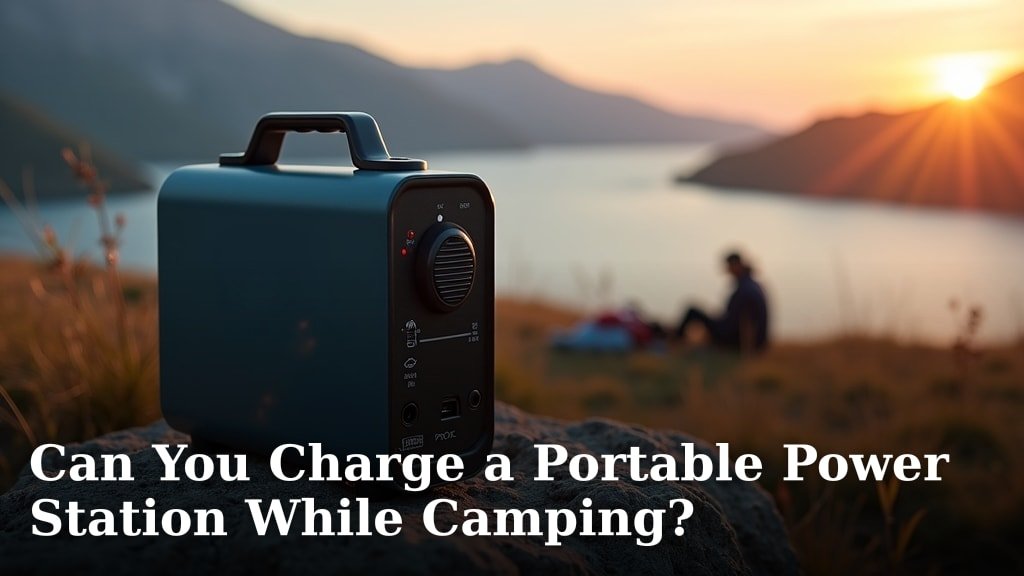
Yes, you absolutely can charge a portable power station while camping, and it’s easier than you might think. We found that most modern power stations offer multiple charging options perfect for the outdoors. This lets you keep your devices powered up and your campsite comfortable.
Keeping your power station topped off is key for a successful camping trip. You have several convenient ways to recharge, even when you’re far from an outlet. Think about using the sun or your vehicle to stay charged and ready for anything.
TL;DR:
- You can charge power stations while camping.
- Solar panels are a popular charging method.
- Your car’s 12V outlet can also recharge it.
- Consider a generator for faster charging.
- Match the charging method to your camping style.
Let’s walk through all the ways you can keep your portable power station charged up during your next adventure, ensuring you never run out of juice.
Recharging Your Portable Power Station During Campouts
You can absolutely recharge your portable power station during your camping trips. It’s all about choosing the right method for your adventure style and how much power you need.
Modern power stations are designed with versatility in mind. We found that most models offer multiple ways to get them back to full charge, even when you’re off-grid.
Harnessing the Sun: Solar Charging
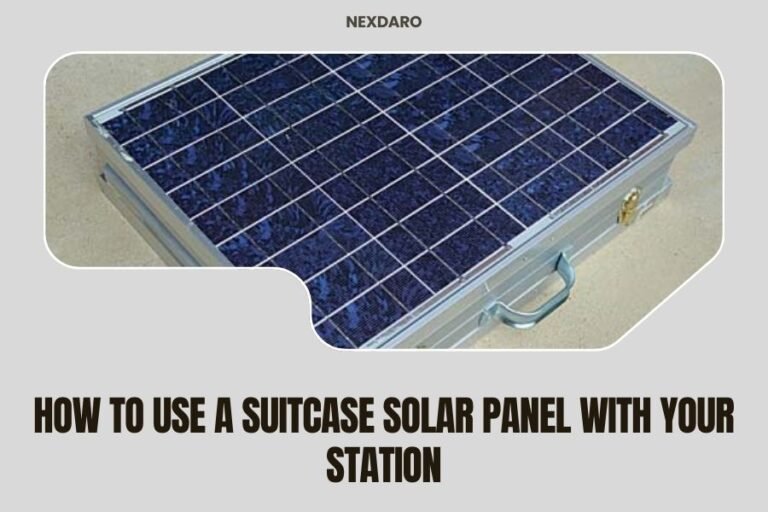
Solar panels are a very popular choice for charging portable power stations while camping. They let you generate clean energy directly from the sun, which is pretty amazing.
Imagine setting up camp and letting the sun do all the work. It’s a quiet and eco-friendly way to keep your devices running.
Choosing the Right Solar Panels
Not all solar panels are created equal for camping. You’ll want to look for panels that are both efficient and portable. Many experts say that monocrystalline panels offer better efficiency in smaller sizes (National Renewable Energy Laboratory).
- Portability: Look for foldable or flexible panels that are easy to pack and set up.
- Wattage: Match the panel’s wattage to your power station’s input. More watts mean faster charging.
- Connectors: Make sure the panel has compatible connectors for your power station.
Think about how much sun your campsite gets. A heavily shaded spot might not be ideal for solar charging.
Optimizing Solar Charging Efficiency
To get the most out of your solar panels, position them correctly. Pointing them directly at the sun helps a lot.
Adjust their angle throughout the day if possible. Even a small adjustment can make a big difference in charging speed. Keep them clean, too; dust can block sunlight.
On the Go: Vehicle Charging
Your vehicle’s 12V outlet (that’s your car’s “cigarette lighter” port) can be a reliable charging source. It’s especially handy when you’re driving between campsites or running errands.
This method lets you utilize energy you’re already consuming. It’s a convenient way to top off your power station without extra equipment.
Understanding 12V Charging Speeds
Charging from your car’s 12V outlet is usually slower than other methods. It’s often best for maintaining a charge or adding a little extra juice.
The speed depends on your power station’s input and your vehicle’s output. Don’t expect a full charge in a short drive.
Many power stations come with a specific car charger. Use that one for the best results and to prevent any issues.
Precautions for Vehicle Charging
Always charge your power station while your vehicle’s engine is running. Charging with the engine off can drain your car’s starter battery.
You don’t want to be stuck with a dead car battery in the wilderness! We found this is a common mistake that’s easy to avoid.
The Powerhouse Option: Generator Charging
For the fastest charging, especially for larger power stations, a portable generator is an option. This is more common for RV camping or when you have high power demands.
Generators provide a strong AC output, similar to a wall outlet. They can quickly bring your power station back to 100%.
Types of Portable Generators
When considering generators, you have a few types. Inverter generators are often preferred for camping.
- Inverter Generators: They are quieter and produce “cleaner” power, which is safer for sensitive electronics.
- Conventional Generators: Typically louder and less fuel-efficient, but often more powerful for heavy-duty use.
Noise levels are a big consideration for camping. An inverter generator will be much more pleasant for you and your neighbors.
Fueling Your Generator Safely
Generators run on fuel, usually gasoline or propane. Always handle fuel safely and store it properly.
Operate your generator in a well-ventilated area, never inside a tent or enclosed space, due to carbon monoxide risks (CDC).
Follow all manufacturer guidelines for safe operation and maintenance. Your safety is always paramount.
Portable Power Station Charging Checklist
To ensure you’re always ready, here’s a quick checklist for charging your power station while camping:
- Match the charging method to your power needs.
- Pack compatible charging cables and adapters.
- Check the weather forecast for solar charging.
- Ensure your vehicle’s engine is running for car charging.
- Consider quiet inverter generators for speed and less noise.
- Always prioritize safety when using any power source.
Being prepared makes all the difference for a smooth camping trip.
Comparing Charging Methods for Camping
Let’s look at how the different charging methods stack up. Each has its pros and cons depending on your camping style.
We found that many campers mix and match these methods. This gives you the most flexibility when you’re out in nature.
| Charging Method | Pros | Cons | Best For |
|---|---|---|---|
| Solar Panels | Quiet, eco-friendly, free energy, lightweight. | Weather-dependent, slower charging, requires direct sun. | Longer trips, off-grid, quiet campsites. |
| Vehicle 12V Outlet | Convenient on the go, uses existing resource, no extra fuel. | Slower charging, requires engine running, drains car battery if off. | Topping off, driving between spots, short trips. |
| Portable Generator | Very fast charging, reliable in any weather, high output. | Noisy, requires fuel, heavier, fumes. | High power demands, RV camping, emergency backup. |
| Wall Outlet (at home/campground) | Fastest, most reliable, no effort. | Only available at specific locations. | Pre-trip charge, developed campgrounds. |
As you can see, there’s no single “best” method. Your ideal choice depends on your specific adventure.
Smart Power Management: Beyond Just Charging
While charging is vital, how you use your power also matters. Efficient power management extends the life of your charge.
Think about what you’re powering. Do you really need that item running all the time?
Conserving Your Power Station’s Charge
Small habits can make a big difference. Turn off devices when not in use.
Use energy-efficient appliances where possible. LED lights, for example, draw very little power compared to older bulb types.
Charge devices like phones and tablets when the sun is brightest if you’re using solar. This is a smart way to maximize your energy.
Monitoring Your Power Consumption
Most portable power stations have a display showing remaining battery and current power draw. Pay attention to it!
This helps you understand how quickly your power is being used. It’s like your car’s fuel gauge, but for electricity.
Knowing your usage helps you plan your charging cycles better. You’ll avoid running out of power unexpectedly.
We found that monitoring leads to less stress and more enjoyment on your trip. Nobody wants to be surprised by a dead battery.
Conclusion
You now know that keeping your portable power station charged while camping is totally achievable, no matter where your adventure takes you. We’ve shown you that options like solar panels, vehicle charging, and even portable generators offer flexible ways to stay powered up.
By understanding each method’s pros and cons, and practicing smart power management, you’ll avoid unexpected power outages. This lets you focus on enjoying the great outdoors without worrying about dead devices.
So, choose the charging strategy that best fits your camping style, pack your gear, and head out with confidence. Your next outdoor experience will be fully charged and stress-free!
Frequently Asked Questions
Can a portable power station charge while being used?
Yes, most modern portable power stations support “pass-through charging.” This means you can charge the power station itself while it’s simultaneously powering your devices. It’s a very convenient feature for continuous power.
How long does it take to charge a portable power station with solar panels?
The charging time varies greatly depending on the solar panel’s wattage, the power station’s capacity, and sun exposure. Under ideal conditions (bright, direct sunlight), it could take anywhere from 4 to 12 hours for a full charge.
Is it safe to charge a portable power station inside a tent?
You should generally avoid charging large electronics, especially with heat-generating methods, inside a tent. Ensure proper ventilation if you must, but charging outdoors or in an open vehicle is always safer to prevent overheating and potential fire hazards.
Will charging my power station from my car drain my car battery?
Yes, if your car’s engine is off, charging a power station will slowly drain your car’s starter battery. Always run your vehicle’s engine while charging from the 12V outlet to prevent this and ensure you can start your car when needed.
What’s the best way to store a portable power station between camping trips?
For optimal battery health, store your portable power station in a cool, dry place. Aim to keep its charge level between 50-80% when storing for extended periods. This helps prolong the lifespan of the internal battery cells.