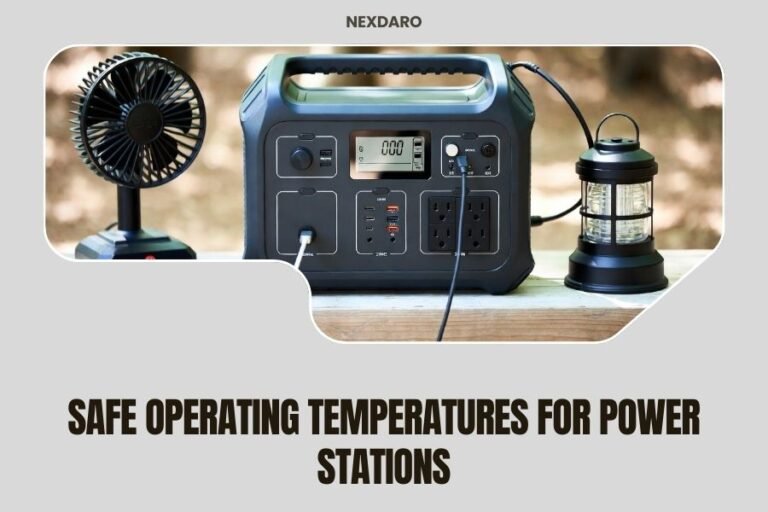
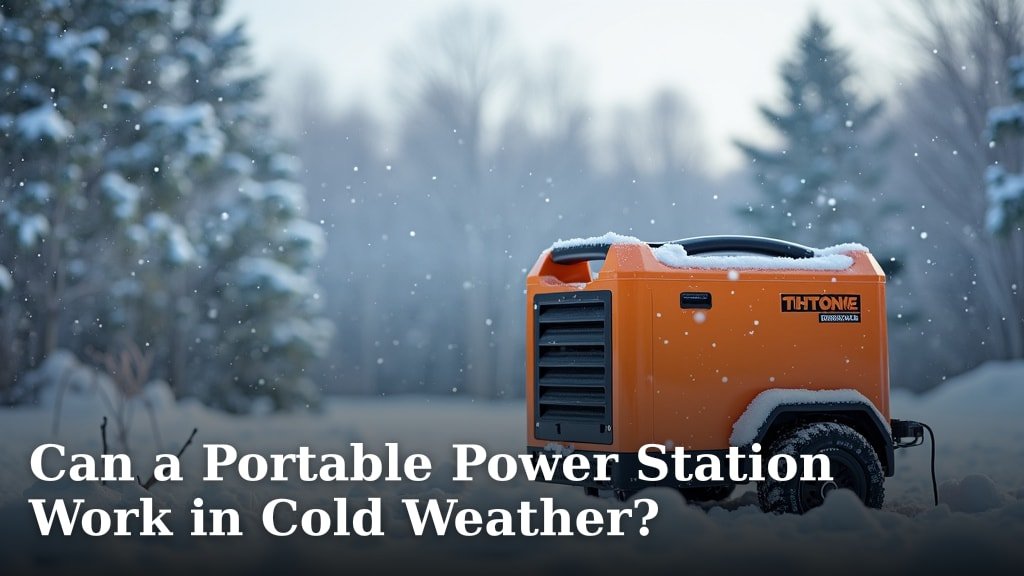
Yes, a portable power station can work in cold weather, but its performance and battery life will likely be reduced significantly. We found that extreme cold directly impacts battery efficiency and power output, so you need to be prepared.
You might notice your portable power station draining faster or not charging as quickly when temperatures drop. This is a common issue because the chemical reactions inside the battery slow down, affecting its ability to store and release energy efficiently.
- Cold weather reduces battery capacity and power output.
- Charging times can become much longer in freezing temperatures.
- Protecting your device from the cold is key for performance.
- Some portable power stations are better suited for cold environments.
- Understanding limitations helps you plan better for outdoor use.
Let’s dive into exactly how cold weather affects these handy devices and what you can do to keep yours running smoothly when the temperature drops.
How Cold Weather Impacts Your Portable Power Station’s Performance
You’re probably wondering how those chilly temperatures truly affect your trusty power station. We found that cold weather is like kryptonite for batteries, especially the lithium-ion ones commonly used in portable power stations. The main issue? Physics!
Inside the battery, chemical reactions create the electricity you need. When it gets cold, these reactions slow down. Think of it like trying to run through molasses; everything just gets sluggish.
Reduced Battery Capacity
One of the first things you’ll notice is a significant drop in how much power your station can hold. It’s not that the battery is permanently damaged, but its usable capacity shrinks in the cold. A 100% charged battery might only act like it’s 70% charged when it’s freezing outside (Battery University).
This means your devices won’t run for as long as they would on a warm day. You might find yourself needing to recharge more often, which can be inconvenient, especially when you’re off-grid.
Slower Charging Times
Just as discharging is affected, so is charging. Portable power stations will take much longer to charge in cold environments. The internal resistance of the battery increases, making it harder for the current to flow freely.
Some power stations even have built-in safety features that prevent charging altogether if the temperature is too low. This is to protect the battery from damage, as charging lithium-ion batteries below freezing can cause permanent capacity loss (National Renewable Energy Laboratory).
Decreased Power Output
Need to run a high-wattage appliance? You might find your power station struggling in the cold. The maximum power output can decrease, meaning it might not be able to deliver enough juice for demanding devices. This is another result of those sluggish chemical reactions.
If you’re trying to power something like a portable heater or a mini-fridge, you might experience performance issues or even a shutdown if the draw is too high for the battery in its cold state.
Understanding Battery Types and Their Cold Tolerance
Not all batteries are created equal when it comes to battling the cold. The type of battery inside your portable power station plays a big role in its cold-weather performance.
Lithium-ion (Li-ion) Batteries
Most modern portable power stations use lithium-ion batteries. These are great for their high energy density and relatively light weight. However, they are sensitive to extreme temperatures, both hot and cold.
While they perform well in moderate cold, their efficiency drops sharply below freezing. We found that optimal operating temperatures for Li-ion batteries are typically between 32°F and 95°F (0°C and 35°C).
Lithium Iron Phosphate (LiFePO4) Batteries
Some newer, higher-end portable power stations use Lithium Iron Phosphate (LiFePO4) batteries. These are known for their longer lifespan and better safety profile. They also tend to be a bit more resilient to cold than traditional Li-ion batteries, but they still have limits.
LiFePO4 batteries might maintain a higher percentage of their capacity in cold, but they also experience performance drops. Charging below freezing is still a big no-no for these batteries unless they have a built-in heating mechanism.
Keeping Your Power Station Warm: Essential Strategies
The best defense against cold weather is warmth. Protecting your power station from freezing temperatures can significantly improve its performance and extend its lifespan. Think of it like dressing your power station in a warm jacket.
Insulation is Your Friend
Just like you bundle up, your power station benefits from insulation. Keep it in an insulated bag or cooler. This helps trap the heat it generates during operation and prevents the cold from seeping in too quickly.
Even wrapping it in a blanket or placing it inside your sleeping bag at night can make a difference. The goal is to keep its internal temperature as close to room temperature as possible.
Store it Indoors
When not in use, always store your portable power station indoors in a heated environment. Don’t leave it in a cold garage, shed, or your car overnight. This helps maintain its charge and keeps the battery warm for when you need it.
A warm battery starts performing better right away. A cold battery has to work harder to warm itself up, using precious stored energy in the process.
Charge When Warm, Use When Warm
If possible, try to charge your power station when it’s at room temperature. And when you’re using it in the cold, try to keep it as warm as possible. This might mean bringing it inside your tent or cabin while it’s actively powering devices.
Many experts recommend bringing your power station inside a few hours before you plan to use it if it’s been stored in the cold. This allows its internal components to warm up gradually.
Portable Power Station Checklist for Cold Weather Use
- Keep your power station above 32°F (0°C) whenever possible.
- Always charge indoors or in a heated environment.
- Use an insulated bag or cover to protect it from cold.
- Monitor its performance; expect reduced capacity and output.
- Consider models with built-in heating elements for extreme cold.
- Carry a backup power source or extra fully charged power banks.
Choosing a Cold-Weather Friendly Portable Power Station
If you frequently find yourself in chilly environments, some portable power stations are simply better equipped for the challenge than others. It pays to do your homework before buying.
Look for Built-in Heating Systems
Some advanced portable power stations now come with integrated heating elements. These systems warm the battery to an optimal temperature, allowing for safe charging even below freezing. This feature is a game-changer for serious cold-weather adventurers.
While these models might be more expensive, the peace of mind and improved performance in extreme cold can be well worth the investment. Always check the product specifications for operating and charging temperature ranges.
Consider Capacity and Power Output
Since cold weather reduces effective capacity, you might want to purchase a power station with a larger capacity than you think you need. This gives you a buffer against the cold-induced performance drop.
Similarly, if you have specific high-wattage devices you plan to use, ensure the power station’s maximum output is well above your needs, anticipating a potential decrease in cold conditions.
Durability and Enclosure
A rugged, durable casing can also help protect the internal components from not just physical impact but also from rapid temperature changes. While not directly insulating, a well-built enclosure can contribute to overall resilience in harsh conditions.
| Feature | Benefit in Cold Weather | Consideration |
|---|---|---|
| Built-in Heater | Allows safe charging below freezing. | Adds to cost and weight. |
| High Capacity (Wh) | Compensates for reduced usable capacity. | Larger, heavier unit. |
| LiFePO4 Battery | Generally better cold tolerance than Li-ion. | Still needs care below freezing. |
| Insulated Casing | Helps maintain internal temperature. | May not be explicitly advertised. |
| Wide Operating Temp Range | Indicates better design for extremes. | Check specs for both charge/discharge. |
Conclusion
While your portable power station can handle cold weather, it’s clear that a little preparation goes a long way. You now know that freezing temperatures impact battery capacity, charging speeds, and overall output. By understanding these limitations and taking proactive steps like insulating your device and charging it indoors, you can significantly improve its performance and lifespan.
Don’t let the cold catch you off guard. Choose a unit with cold-weather features if you’re a frequent winter adventurer. With the right care and knowledge, your power station will continue to be a reliable companion, no matter the forecast. Prepare wisely and stay powered up!
Frequently Asked Questions
What is the ideal temperature range for a portable power station?
Most portable power stations perform best between 32°F and 95°F (0°C to 35°C). Keeping your device within this range ensures optimal battery efficiency and power delivery.
Can cold weather permanently damage my portable power station?
Charging lithium-ion batteries below freezing can lead to permanent capacity loss. While cold itself doesn’t usually cause permanent damage, repeatedly subjecting it to extreme cold and improper charging practices can shorten its lifespan.
How much capacity will I lose in very cold temperatures?
You can expect a noticeable drop in usable capacity, sometimes as much as 30% or more, depending on the specific battery and how cold it gets. A 100% charged battery might only deliver 70% of its power when freezing.
Are there any portable power stations specifically designed for extreme cold?
Yes, some high-end models feature built-in heating elements. These automatically warm the battery to a safe temperature, allowing for efficient charging and discharge even in sub-freezing conditions.
Should I fully charge my power station before storing it in cold?
It’s generally recommended to store lithium-ion batteries at around a 50-80% charge for long-term storage. However, if you know you’ll be using it soon in cold weather, a full charge, achieved in a warm environment, is best for maximum immediate usable power.