The lifespan of a portable power station battery generally ranges from 500 to 3,500 charge cycles, depending on the battery chemistry and how you use it. For most users, this means your power station will last anywhere from 3 to 10 years or more before its capacity significantly degrades.
Your portable power station is a handy device for camping, emergencies, or just powering gear on the go. Knowing its battery’s lifespan helps you understand your investment and plan for its longevity. It’s not just about how long it works, but how long it works well.
- Most portable power station batteries last 3-10 years.
- Lifespan depends on the battery type (LiFePO4 lasts longer).
- How often you use and charge it impacts its life.
- Proper care can extend your battery’s useful life.
Let’s dive into the details and uncover what truly affects how long your portable power station will serve you. We’ll help you get the most out of your gear.
Understanding Your Portable Power Station’s Battery Lifespan
So, you’ve got this awesome portable power station, right? It’s a lifesaver for outdoor adventures or during a power outage. But how long will it actually last? The simple answer is, it depends on a few key things. We’re talking about the battery inside it. Just like your phone or laptop battery, it has a finite number of charges before it starts to fade.
The Magic Number: Charge Cycles
When we talk about battery lifespan, we often hear about “charge cycles.” What’s a charge cycle? It’s pretty straightforward. A charge cycle happens every time you fully discharge and then fully recharge your battery. Think of it like a car’s mileage. The more miles, the more wear and tear.
If you use half the battery and then recharge it, that’s half a cycle. Do that twice, and it counts as one full cycle. Most manufacturers rate their batteries for a certain number of cycles before the capacity drops below 80%. Why 80%? Because at that point, the battery isn’t as useful for its intended purpose. It’s still working, but not at its best.
Battery Chemistry: The Core Difference
Not all batteries are created equal. The type of battery chemistry inside your portable power station is the biggest factor in how long it will last. You’ll primarily find two types in modern portable power stations:
- Lithium-ion (Li-ion): This is the common type you’ll find in many devices, including older portable power stations. They offer a good balance of power and size.
- Lithium Iron Phosphate (LiFePO4 or LFP): These are becoming the new standard. They’re heavier but offer significantly longer lifespans.
Lithium-ion (Li-ion) Batteries: Good, but Not the Best
Many older or budget-friendly portable power stations still use lithium-ion batteries. These are good for about 500 to 800 charge cycles. This translates to roughly 3 to 5 years of regular use. They’re lighter and often more compact, which is a plus if portability is your top concern. However, they are more sensitive to extreme temperatures and can degrade faster if not cared for properly.
Lithium Iron Phosphate (LiFePO4) Batteries: The Long-Haul Champions
If you want serious longevity, LiFePO4 is the way to go. These batteries boast an impressive lifespan of 2,500 to 3,500 charge cycles. That’s a huge jump! For most users, this means your power station could last 10 years or even more. They are more stable, safer, and perform better in a wider range of temperatures. While they might cost a bit more upfront and be a little heavier, the extended lifespan often makes them a better long-term investment. Many experts recommend LiFePO4 for emergency preparedness because of their durability and cycle life (National Renewable Energy Laboratory).
What Shortens Your Battery’s Life? Habits and Environment
Even with a super durable battery, how you use and store your power station makes a huge difference. Think of it like taking care of a plant. Give it the right conditions, and it thrives. Neglect it, and it struggles.
Charging and Discharging Habits
Your charging routine plays a big role. Do you always drain your battery to zero, or do you keep it topped up? Here are a few common scenarios:
- Deep Discharges: Constantly draining your battery completely (to 0%) before recharging is not ideal. It puts more stress on the battery cells.
- Partial Charges: It’s generally better for your battery to keep it between 20% and 80% charge when possible. This reduces stress and extends its life.
- Overcharging: Modern portable power stations have built-in battery management systems (BMS) that prevent overcharging, so you don’t need to worry about leaving it plugged in too long.
Temperature Extremes
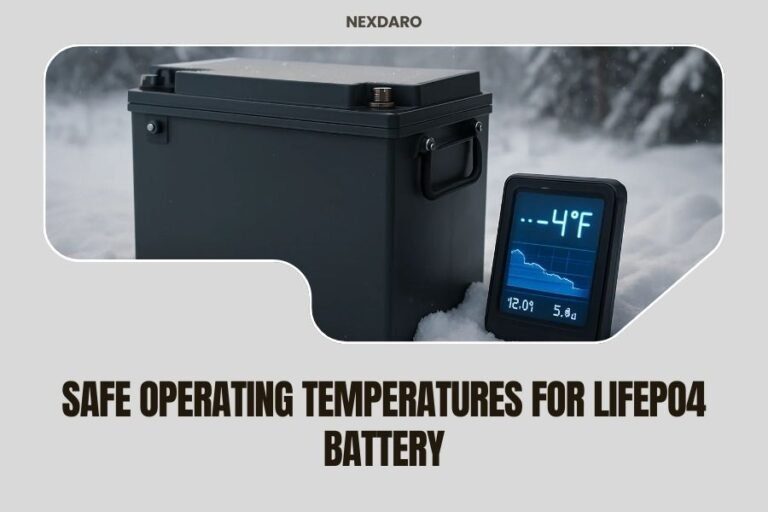
Batteries are sensitive creatures, especially when it comes to temperature. Both extreme heat and extreme cold can damage your battery over time and reduce its capacity.
- High Temperatures: Storing your power station in a hot car during summer or in direct sunlight can accelerate degradation. Heat causes the chemical reactions inside the battery to speed up, leading to faster wear.
- Low Temperatures: While less damaging than heat, trying to charge or discharge a battery in freezing temperatures can also be harmful. The battery will be less efficient and might not charge fully.
Most manufacturers recommend storing and operating your portable power station within a specific temperature range, usually between 32°F and 104°F (0°C and 40°C). Always check your user manual for exact recommendations.
Keeping Your Battery Healthy: A Checklist for Longevity
You want your portable power station to be ready when you need it, right? A little care goes a long way. Think of these tips as a routine check-up for your battery. They can significantly stretch its useful life.
- Store at Partial Charge: If you’re not using your power station for a while, aim to store it at around 50-80% charge. Don’t leave it fully charged or completely empty for long periods.
- Avoid Extreme Temperatures: Keep it out of direct sunlight and extreme cold. A cool, dry place is best for storage.
- Cycle Regularly (but not too much): Use your power station occasionally, even if you don’t need it. Letting it sit unused for months isn’t great. Just don’t constantly cycle it when unnecessary.
- Read the Manual: Every portable power station is a bit different. Your user manual will have specific care instructions from the manufacturer. It’s your best friend!
- Keep it Clean: Make sure the ventilation ports are clear of dust and debris. Good airflow helps prevent overheating.
Battery Capacity vs. Usable Capacity
You might see a large number in Watt-hours (Wh) or milliamp-hours (mAh) advertised. This is the battery’s total capacity. However, the usable capacity can be a bit less. This is because the power station itself needs some energy to operate its internal components, like the inverter, display, and cooling fans. This efficiency loss is usually around 10-20%.
So, if your power station says 1000Wh, you might actually get closer to 800-900Wh of usable power. This isn’t a flaw; it’s just how these systems work. Knowing this helps you manage your expectations when planning for power needs. It’s like how your car’s gas tank might hold 15 gallons, but you only use 14 before you fill up again.
When to Consider Replacement
Eventually, even the best battery will degrade. How will you know when it’s time to think about a new one? The most obvious sign is a noticeable drop in capacity. If your power station used to charge your laptop 10 times and now only does it 5 times, that’s a clear indicator.
Another sign might be longer charging times or faster self-discharge. Some advanced power stations even have an app or display that shows the battery’s “health” or remaining capacity. When it consistently stays below 80% of its original capacity, it’s likely time to start planning for a replacement.
| Battery Type | Average Charge Cycles | Estimated Lifespan (Years) | Pros | Cons |
|---|---|---|---|---|
| Lithium-ion (Li-ion) | 500 – 800 | 3 – 5 | Lighter, often more compact | Shorter lifespan, more sensitive to temp |
| Lithium Iron Phosphate (LiFePO4) | 2,500 – 3,500+ | 10+ | Longer lifespan, safer, stable | Heavier, often higher upfront cost |
Choosing the right portable power station means considering not just the upfront cost, but also its expected lifespan. Investing in a unit with a LiFePO4 battery might save you money in the long run, simply because you won’t need to replace it as often. It’s about getting the most value and reliability out of your investment.
Conclusion
Your portable power station is a significant investment. Understanding its battery’s lifespan and the factors that influence it helps you make smarter choices. By opting for LiFePO4 batteries and adopting good usage habits, you can significantly extend your device’s useful life. Proper care means your power station will be ready for years of adventures and emergencies. Now, go enjoy the peace of mind your reliable power source brings!
Frequently Asked Questions
Should I fully discharge my portable power station before recharging it?
No, it’s generally better for your battery to avoid constant deep discharges. For most portable power stations, keeping the charge level between 20% and 80% can actually extend its overall lifespan. Modern batteries prefer partial cycles.
Can I leave my portable power station plugged in all the time?
Many modern portable power stations have advanced Battery Management Systems (BMS) that prevent overcharging. While leaving it plugged in isn’t usually harmful, it’s often best to store it at a partial charge (around 50-80%) if you won’t be using it for an extended period.
Does extreme cold affect the battery life of a portable power station?
Yes, extreme cold can negatively impact battery performance and potentially shorten its life over time. Batteries are less efficient in very low temperatures, and charging them when they are too cold can cause damage. Always check your manual for recommended operating temperatures.
What’s the best way to store my portable power station for long periods?
For long-term storage, aim to charge your power station to about 50-80% capacity. Store it in a cool, dry place away from direct sunlight and extreme temperatures. Check on it every few months and top it up if needed to maintain that charge level.
My portable power station isn’t holding a charge like it used to. Is it dead?
It might be degrading, which is normal over many years of use. If its capacity has dropped below 80% of its original rating, it’s likely nearing the end of its optimal lifespan. It’s not “dead” but will provide less power and runtime than it once did.