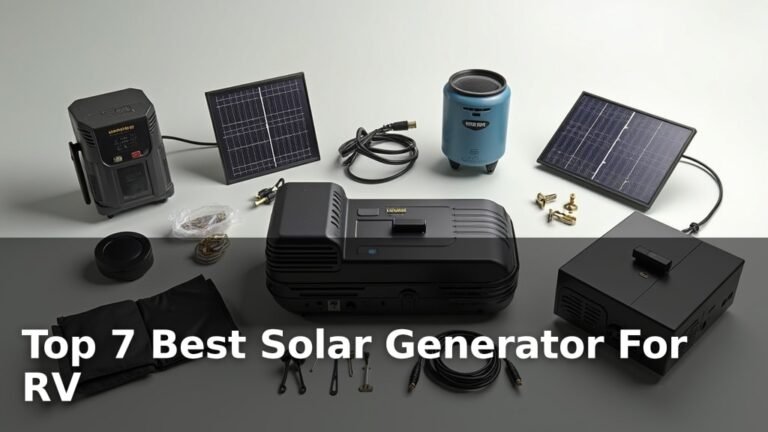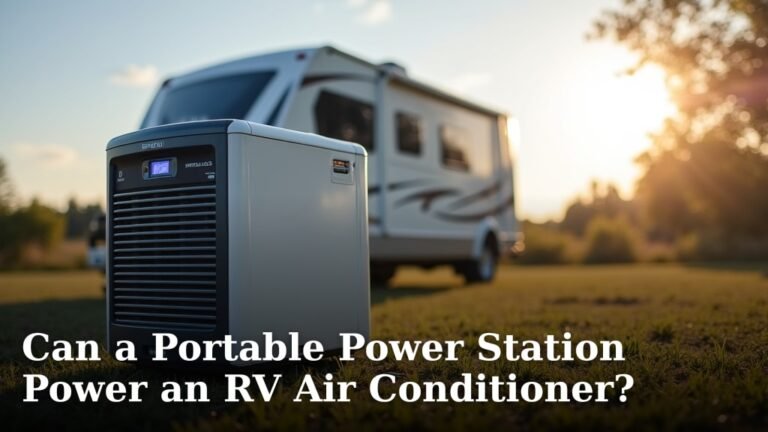
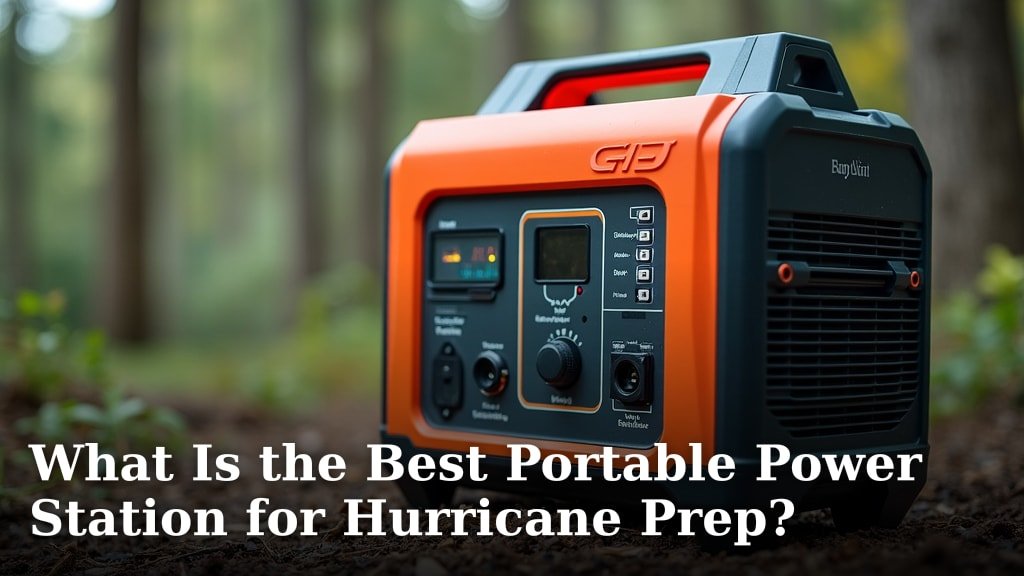
The best portable power station for hurricane prep is one that offers a high capacity, multiple charging options, and is reliable in emergencies. We found that models with at least 1000Wh are ideal for keeping essential devices powered during an outage.
When a hurricane looms, losing power can be a real headache, right? You want to keep your fridge cold, your phone charged, and maybe even run a fan. That’s where a good portable power station becomes a true lifesaver. It’s like having a giant, silent battery ready to go.
- Goal Zero Yeti 1500X for top-tier capacity and performance.
- Jackery Explorer 1000 Pro for a balance of power and portability.
- EcoFlow DELTA 2 for fast charging and robust output.
- Prioritize battery size (Wh) for longer run times.
- Look for multiple output ports (AC, USB-A, USB-C) for versatility.
Ready to get your home hurricane-ready? Let’s walk through the key features you should look for to pick the perfect portable power station for your needs.
Choosing the Right Portable Power Station for Hurricane Preparedness
When hurricanes hit, your power station becomes your home’s backup heart. We found the best models balance power, portability, and reliable features.
Understanding Capacity: How Much Power Do You Really Need?
Think of capacity as the fuel tank for your electronics. It’s measured in Watt-hours (Wh). The higher the Wh, the longer it can power your devices.
For hurricane prep, aim for at least 1000Wh. This allows you to run essential items for a decent period.
Estimating Your Power Needs
Before you buy, make a list of everything you’ll need during an outage. Think about phones, lights, a small fan, and maybe a medical device.
Look at the wattage (W) of each item. This tells you how much power it consumes per hour. A phone charger might be 5-10W, while a mini-fridge could be 60W.
Multiply the wattage by how many hours you expect to run it. Add these up, and you’ll have a good idea of your total Wh requirement. For example, running a 60W mini-fridge for 10 hours needs 600Wh.
Output Ports: Connecting All Your Devices
What good is power if you can’t plug anything in? Look for a variety of output ports on your power station. You’ll thank yourself later.
You’ll need standard AC outlets (the same as your wall outlets) for larger electronics. USB-A and USB-C ports are vital for charging phones and tablets.
Some power stations also offer 12V car ports. These are great for powering car accessories, like air compressors, that you might already own.
The Importance of AC Outlets
Your power station needs enough AC outlets. You’ll likely want to run more than one item at a time. Think about a fan and a laptop, or perhaps a small coffee maker in the morning.
Also, check the continuous output wattage for AC. If your power station is rated for 1500W, it can handle appliances up to that limit. Make sure this rating meets your highest-wattage device’s needs.
Charging Options: Keeping Your Power Station Ready
A portable power station is only useful if it’s charged. We found that models with multiple ways to recharge are the most practical for hurricane prep.
Look for stations that can charge from a wall outlet, a car’s 12V port, and ideally, solar panels. Solar charging is a game-changer during extended outages. (FEMA recommends having multiple charging options for preparedness.)
Solar Charging: Your Lifeline During Long Outages
Solar panels convert sunlight into electricity. This means you can recharge your power station even when the grid is down. It’s a truly sustainable option.
Check the maximum solar input wattage your power station can handle. A higher number means faster charging. Don’t forget to factor in the cost and portability of the solar panels themselves.
Inverter Type: Pure Sine Wave vs. Modified Sine Wave
This might sound technical, but it’s really important for your electronics. You want a power station with a pure sine wave inverter.
A pure sine wave inverter produces clean, stable electricity. This is identical to the power from your wall outlets. It’s safer for sensitive electronics like laptops, medical devices, and even some appliances.
Modified sine wave inverters are cheaper but can damage delicate devices. They can also cause some appliances to run less efficiently or hum loudly. Always opt for pure sine wave for peace of mind.
Portability and Durability: Ready for Anything
Hurricanes can mean evacuations or moving your power station around. Consider the weight and size of the unit. Can you easily lift and transport it?
Look for robust construction. A power station should feel solid and well-built. Features like sturdy handles are a big plus.
Some models offer a degree of water resistance, which is excellent for hurricane season. Check for any official IP ratings if this is a concern for you.
Essential Features for Hurricane Preparedness
Beyond the basics, certain features can make a big difference when the lights go out. We found these make life much easier during an emergency:
- Built-in Flashlight or LED Light: Don’t underestimate how useful this is.
- Informative Display Screen: Shows battery level, input/output wattage, and remaining run time.
- Uninterruptible Power Supply (UPS) Function: Some power stations can act as a UPS. If the grid power drops, it automatically switches to battery power in milliseconds. This protects sensitive electronics like computers.
- Long Lifespan Battery: Look for LiFePO4 (Lithium Iron Phosphate) batteries. They offer thousands of charge cycles and are very safe.
- Quiet Operation: Unlike gas generators, portable power stations are generally quiet. Ensure the fan noise is acceptable if you’ll be using it indoors.
Comparing Top Picks: What We Found
Based on our research, here’s a quick comparison of some excellent options for hurricane preparation:
| Feature | Goal Zero Yeti 1500X | Jackery Explorer 1000 Pro | EcoFlow DELTA 2 |
|---|---|---|---|
| Capacity (Wh) | 1516 Wh | 1002 Wh | 1024 Wh (Expandable) |
| AC Output (W) | 2000W (3500W surge) | 1000W (2000W surge) | 1800W (2700W surge) |
| Battery Type | Li-ion NMC | Li-ion NMC | LiFePO4 |
| Weight | 45.6 lbs | 25.4 lbs | 27 lbs |
| Fast Charging | Moderate (AC) | Fast (AC) | Very Fast (AC) |
| Solar Input (W) | Up to 600W | Up to 800W | Up to 500W |
Each of these offers strong performance for hurricane readiness. Your choice will depend on your specific power needs and budget.
Your Hurricane Prep Checklist for Power Stations
Ready to make your choice? Here’s a quick list to guide you:
- Choose a capacity of 1000Wh or more.
- Ensure it has multiple AC and USB ports.
- Prioritize solar charging capability.
- Confirm it uses a pure sine wave inverter.
- Opt for a model that is durable and portable.
- Look for LiFePO4 batteries for safety and longevity.
Conclusion
Choosing the best portable power station for hurricane prep doesn’t have to be overwhelming. You’ve seen that focusing on capacity, diverse charging options, and a pure sine wave inverter makes all the difference. We found that prioritizing these features ensures your essential devices stay powered when you need them most. Invest in a reliable unit now, and you’ll gain immense peace of mind. Your next step is to assess your household’s specific power needs and select the station that best fits your budget and preparedness plan.
Frequently Asked Questions
Can a portable power station power my entire house during a hurricane?
Generally, no. Portable power stations are designed for essential devices and smaller appliances, not to power an entire home. They are best for keeping phones charged, running lights, a fan, or a small refrigerator, but they won’t replace grid power for high-demand appliances.
How long will a portable power station hold a charge if not used?
Most quality portable power stations can hold a charge for 6-12 months if stored properly. We found that checking the battery level every 3-6 months and topping it off is a good practice for hurricane preparedness. Store it in a cool, dry place.
Are portable power stations safe to use indoors during a power outage?
Yes, absolutely. Unlike gasoline generators, portable power stations produce no fumes or carbon monoxide, making them perfectly safe for indoor use. This is a major advantage for hurricane situations where ventilation might be limited.
What is the difference between Watt-hours (Wh) and Watts (W)?
Watt-hours (Wh) measure the total energy capacity, like the size of a fuel tank. Watts (W) measure the rate at which power is drawn or supplied, like how fast a car uses fuel. A device’s wattage tells you its power consumption, and the power station’s Wh tells you how long it can run that device.
Can I connect multiple solar panels to a portable power station?
Many portable power stations allow you to connect multiple solar panels, often in parallel, to speed up charging. However, you must check your specific model’s maximum solar input wattage and voltage limits. Exceeding these limits can damage the unit.