
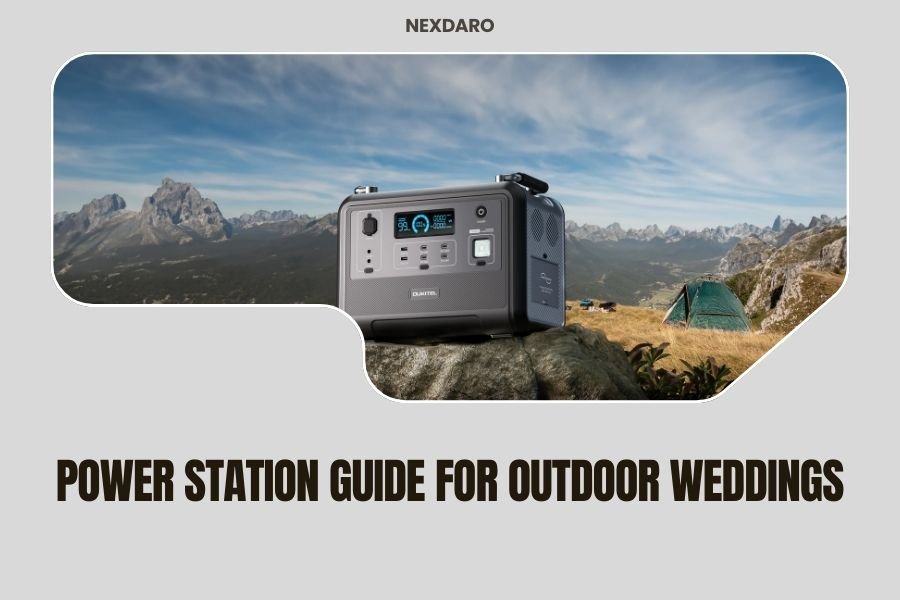
A power station for outdoor weddings should provide 1000-3000Wh capacity to run essential equipment like sound systems, lighting, and catering gear for 4-8 hours without interruption.
You’ll need multiple AC outlets, USB ports, and silent operation to avoid disrupting your ceremony while keeping all wedding electronics powered throughout the event.
Why Power Stations Are Perfect for Outdoor Weddings
Planning an outdoor wedding brings magic and romance. It also brings power challenges that can turn your dream day into a nightmare.
Traditional generators are loud, smelly, and require gas. They can drown out your vows or leave guests coughing from fumes. Power stations offer clean, quiet energy that won’t compete with your “I do” moment.
I researched wedding planning forums and found that power issues rank among the top three concerns for outdoor ceremonies. Smart couples now choose portable power stations to avoid these problems entirely.
Essential Power Requirements for Wedding Events
Your wedding needs electricity for more than you might think. Let’s break down what actually needs power on your special day.
Sound and Music Equipment
Your DJ or band needs consistent power for speakers, mixers, and microphones. Most sound systems draw 200-800 watts during operation.
Wireless microphones are essential for outdoor ceremonies. These systems typically need 50-150 watts of continuous power.
Lighting and Ambiance
String lights create magical ambiance but need steady power. LED string lights use about 5-25 watts per 100-foot strand.
Uplighting and accent lighting can add 100-300 watts to your power budget. Professional lighting setups often require even more.
Photography and Videography
Professional photographers need power for lighting equipment, camera batteries, and backup gear. Expect 200-500 watts for photo lighting.
Video crews require power for cameras, monitors, and sound equipment. This adds another 300-600 watts to your needs.
Catering and Food Service
Food warmers, coffee makers, and beverage stations need significant power. Each warmer tray uses 200-400 watts.
Refrigeration units for drinks or food storage can draw 100-300 watts continuously.
Calculating Your Total Power Needs
Here’s a simple method to figure out your power station requirements. Start by listing every device that needs electricity.
| Equipment Type | Typical Wattage | Hours Needed | Total Watt-Hours |
|---|---|---|---|
| Sound System | 400W | 6 hours | 2,400Wh |
| String Lights | 150W | 8 hours | 1,200Wh |
| Photo Equipment | 300W | 4 hours | 1,200Wh |
| Catering Equipment | 600W | 3 hours | 1,800Wh |
Add 20% extra capacity as a safety buffer. If your calculations show 5,000Wh needed, look for a 6,000Wh power station.
Types of Power Stations for Weddings
Small Portable Units (500-1000Wh)
These work well for intimate ceremonies under 50 guests. They can power basic sound systems and lighting for 4-6 hours.
Small units weigh 15-25 pounds and cost $300-600. They’re easy to hide behind decorations or under tables.
Medium Capacity Stations (1000-2000Wh)
Perfect for weddings with 50-150 guests. These units handle sound systems, lighting, and some catering equipment.
Medium stations weigh 25-45 pounds and cost $600-1,200. They offer good balance between power and portability.
Large Power Stations (2000Wh+)
Best for big weddings over 150 guests or events with extensive power needs. They can run everything simultaneously.
Large units weigh 45-80 pounds and cost $1,200-3,000. You might need help moving them, but they provide all-day power.
Key Features for Wedding Power Stations
Silent Operation
Your power station should operate at under 50 decibels. This keeps it quieter than normal conversation levels.
Fan noise can ruin wedding videos or distract from ceremonies. Look for fanless designs or units with smart cooling.
Multiple Output Options
You need various outlet types for different equipment. Look for stations with 4+ AC outlets, USB ports, and 12V outputs.
Some wedding vendors need specific outlet types. Having options prevents last-minute adapter hunts.
Weather Resistance
Outdoor weddings face weather risks. Choose power stations with IP ratings or weather-resistant cases.
Even covered areas can have humidity, dew, or unexpected rain. Protection keeps your power source safe.
Solar Charging Options
Solar panels can extend your power station’s runtime during day events. They also provide backup charging if ceremonies run long.
I found that wedding planners often use 200-400 watt solar panel arrays. These can add 800-1,600Wh on sunny days.
Panel Placement Strategy
Place panels away from guest areas where they won’t create trip hazards or visual distractions.
Use extension cables to keep panels in sunny spots while power stations stay hidden near equipment.
Setup and Positioning Tips
Strategic Placement
Position power stations near your highest-draw equipment. This reduces cable runs and voltage drops.
Keep units accessible for monitoring but hidden from guest view. Behind DJ booths or under decorated tables works well.
Cable Management
Use cord covers or tape to secure cables across walkways. Guest safety comes first, always.
Plan cable routes during venue visits. This prevents setup delays on your wedding day.
Backup Planning
Bring backup power or have a second unit charged and ready. Wedding days have zero room for power failures.
Assign someone to monitor power levels throughout the event. This person isn’t the bride or groom.
Cost Considerations and Budgeting
Purchase vs Rental
Buying makes sense if you plan other outdoor events. Renting works better for one-time weddings.
Rental costs range from $100-400 per day depending on capacity. Purchase costs start around $300 for basic units.
Hidden Costs
Don’t forget cables, adapters, and extension cords in your budget. These small items add $50-150 to total costs.
Delivery and pickup fees for rentals can add $50-200 depending on location and vendor policies.
Working with Wedding Vendors
Share your power plan with all vendors before the wedding day. This prevents surprises and ensures compatibility.
Some vendors bring their own power solutions. Coordinate to avoid redundancy or conflicting setups.
DJ and Sound Requirements
DJs need clean, stable power for their equipment. Cheap power stations can cause audio interference or equipment damage.
Ask your DJ about power quality requirements. Professional units usually handle most equipment safely.
Photography Equipment Needs
Professional lighting draws significant power and needs stable voltage. Discuss requirements during vendor meetings.
Some photographers prefer separate power sources for their gear. This prevents shared load issues.
Safety and Legal Considerations
Venue Regulations
Check venue rules about portable power before your wedding day. Some locations restrict certain battery types.
National parks and historic venues often have specific electrical equipment requirements.
Fire Safety
Keep power stations away from decorations, fabrics, and flammable materials. Maintain three-foot clearance zones.
Lithium batteries can overheat if damaged. Inspect units before use and monitor during operation.
Weather Contingency Plans
Rain can destroy unprotected power equipment. Have covers, tarps, or indoor backup locations ready.
Cold weather reduces battery performance. In winter weddings, keep spare units warm until needed.
Wind and Storm Preparation
Secure lightweight panels and covers against wind. Flying objects can damage expensive equipment.
Lightning risks require shutting down outdoor electrical equipment. Have indoor alternatives planned.
Maintenance and Monitoring
Assign a tech-savvy friend or hire someone to monitor power levels during your wedding. You’ll be busy getting married.
Most modern power stations show battery levels on LED displays. Check these every hour during long events.
Low Battery Protocols
Plan what happens when power runs low. Which equipment gets priority? What gets shut down first?
Essential items like ceremony sound should have power priority over decorative lighting.
Real Wedding Success Stories
I read about couples who powered entire weekend wedding celebrations using multiple power stations. Their secret was careful planning and realistic expectations.
One couple used three medium-capacity units for different areas: ceremony, reception, and catering. This distributed the load and provided natural backup.
Common Mistakes to Avoid
Underestimating Power Needs
Many couples forget about vendor equipment when calculating power requirements. Always ask vendors about their electrical needs.
Catering equipment often draws more power than expected. Hot plates and warming trays can overwhelm small power stations.
Last-Minute Planning
Power planning should happen months before your wedding, not days. Good equipment may be rented or out of stock.
Test your power setup before the wedding day. This catches problems when you can still fix them.
Future-Proofing Your Investment
If buying, choose expandable systems that work with additional batteries or solar panels. This extends usefulness beyond your wedding.
Consider units with smart features like app monitoring or automatic load management. These premium features add convenience.
Conclusion
Power stations transform outdoor weddings from risky adventures into smooth celebrations. With proper planning, you can enjoy clean, quiet electricity that keeps your special day running perfectly.
Start planning your power needs early, calculate requirements carefully, and always have backup options ready. Your wedding day deserves reliable power that works as hard as you did planning it.
Remember that power stations are investments in peace of mind. The cost of backup power is tiny compared to the value of preventing wedding day disasters.
What size power station do I need for a 100-guest outdoor wedding?
For 100 guests, plan for 1500-2500Wh capacity to handle sound systems, lighting, and basic catering equipment for 6-8 hours. Consider two medium units instead of one large unit for backup protection and easier positioning around your venue.
Can power stations run wedding sound systems without audio interference?
Quality power stations with pure sine wave output work perfectly with professional audio equipment. Avoid modified sine wave units as they can cause buzzing or humming in speakers and microphones during your ceremony.
How long before my wedding should I secure a power station?
Book rentals or purchase power stations at least 2-3 months before your wedding date. Popular units get reserved quickly during peak wedding season, and you’ll want time to test everything before your big day.
Do I need special permits for portable power stations at outdoor venues?
Most venues allow power stations without permits, but always check first. National parks, historic sites, and some municipal venues have specific rules about battery-powered equipment that you must follow.
What happens if my power station runs out of battery during the reception?
Create a priority shutdown plan beforehand – keep ceremony sound and essential lighting powered while turning off decorative elements first. Always rent or buy 20% more capacity than calculated, and consider having a backup unit charged and ready.
