
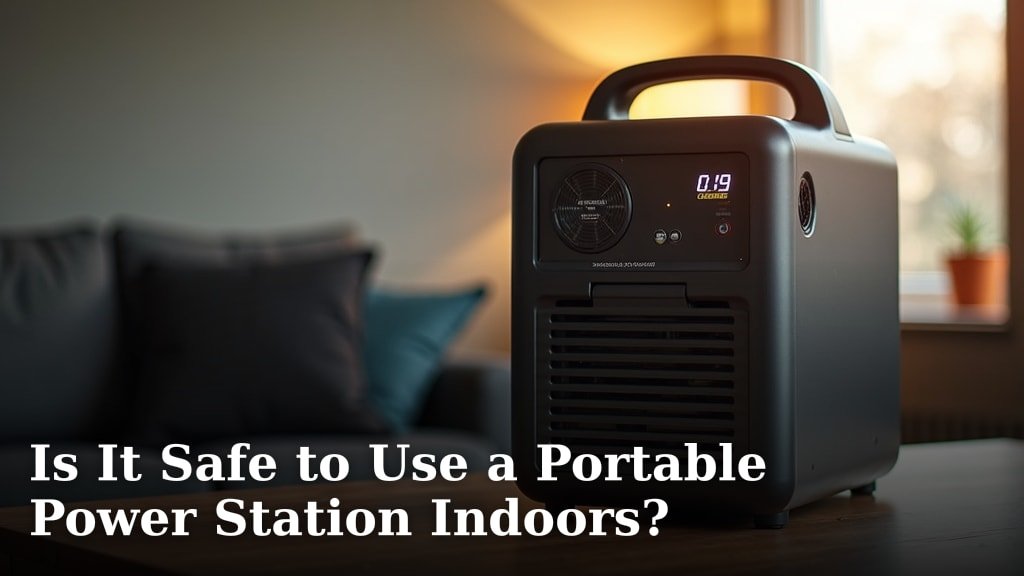
Yes, it is generally safe to use a portable power station indoors, as long as you follow the manufacturer’s guidelines. These devices run on batteries and do not produce harmful fumes like gas generators. This makes them a great choice for powering your gear inside your home.
You can breathe easy knowing your portable power station is designed for indoor use. We found that most models are built with safety features to prevent common electrical issues. Just be sure to choose a quality brand and understand its power limits.
TL;DR:
- Portable power stations are safe indoors.
- They run on batteries, no fumes.
- Always follow safety instructions.
- Pick a reputable brand.
- Understand your unit’s power capacity.
Let’s walk through exactly what makes these units safe and how you can use them effectively in your home.
Understanding Why Portable Power Stations Are Safe Indoors
Portable power stations are generally safe for indoor use because they operate very differently from traditional gas generators. We found that these devices rely on rechargeable batteries to store energy. This key difference eliminates the major hazards associated with gas-powered units.
The No-Fume Advantage
One of the biggest concerns with indoor power sources is harmful emissions. Gas generators burn fossil fuels, releasing dangerous gases like carbon monoxide. Carbon monoxide is odorless and colorless, making it a silent killer when used in enclosed spaces (CDC).
Portable power stations produce no exhaust fumes whatsoever. They simply convert stored electrical energy into usable power. You won’t have to worry about carbon monoxide poisoning or other respiratory irritants. This makes them a breath of fresh air, literally, for indoor power needs.
Quiet Operation for Your Home
Have you ever heard a gas generator running? They can be incredibly loud, disrupting your peace and quiet. This noise pollution isn’t just annoying; it can also be stressful. We found that portable power stations operate with a much lower noise footprint, often just a gentle hum from their cooling fans. This quiet operation is a huge benefit when using them indoors, allowing you to maintain a calm home environment.
Built-in Safety Measures
Modern portable power stations are engineered with multiple layers of protection. We found that reputable manufacturers include features to prevent common electrical problems. These safeguards are designed to keep you and your devices safe.
- Overload Protection: Prevents damage if you try to draw too much power.
- Short-Circuit Protection: Guards against electrical faults.
- Over-Voltage Protection: Protects from power surges.
- Over-Temperature Protection: Shuts down the unit if it gets too hot.
- Low Battery Protection: Prevents deep discharge, prolonging battery life.
These systems work together like a guardian angel for your electronics, constantly monitoring the unit’s performance. You can feel confident knowing these devices are designed with your safety in mind.
Potential Indoor Considerations and How to Address Them
While portable power stations are safe indoors, it’s still wise to be aware of a few considerations. Think of it like driving a car: it’s safe, but you still need to follow traffic laws. A little common sense goes a long way here.
Placement and Ventilation
Even though they don’t produce fumes, portable power stations still generate a small amount of heat, especially when charging or under heavy load. This is completely normal. We recommend placing your unit in a spot with good airflow. Avoid covering it or placing it in an enclosed cabinet where heat can build up.
Imagine your laptop or phone getting warm after heavy use – it’s a similar idea. Just give your power station some breathing room. Placing it on a hard, flat surface away from direct sunlight is usually ideal.
Charging Indoors: A Best Practice
Charging your portable power station is typically done indoors. Most units come with an AC adapter that plugs into a standard wall outlet. We found that charging is a straightforward process, but always use the original charger or a manufacturer-approved replacement. Using an incompatible charger can be a fire risk.
Some models also support solar panel charging. If you’re charging with solar panels, the panels themselves would be outdoors, but the power station often remains indoors receiving the charge. This setup works perfectly for off-grid power at home.
Comparing Portable Power Stations with Other Power Options
When considering indoor power, it’s helpful to see how portable power stations stack up against alternatives. Understanding the differences will help you make the best choice for your needs.
Portable Power Station vs. Gas Generator
The distinction between these two is stark, especially for indoor use. Here’s a quick overview:
| Feature | Portable Power Station | Gas Generator |
|---|---|---|
| Fuel Type | Battery (Electric) | Gasoline, Propane, Diesel |
| Indoor Use | Yes, generally safe | No, dangerous fumes |
| Emissions | None | Carbon Monoxide, fumes |
| Noise Level | Very Low (Quiet) | High (Loud) |
| Maintenance | Minimal (Battery care) | Engine, oil, fuel storage |
| Portability | High | Medium to Low |
As you can see, for indoor applications, the portable power station is the clear winner in terms of safety and convenience. Gas generators are best reserved for outdoor use, far away from any windows or vents.
Portable Power Station vs. UPS (Uninterruptible Power Supply)
You might be wondering if a UPS is similar. While both provide backup power, they serve slightly different purposes. A UPS is primarily designed for instantaneous backup for sensitive electronics like computers, preventing data loss during very short power flickers. They typically offer less power capacity and fewer outlets than a portable power station.
A portable power station, on the other hand, is built for longer-term power outages and versatility. It can power a wider range of appliances and offers more flexible charging options. Think of a UPS as a quick safety net for your computer, and a power station as a more robust solution for keeping essential devices running throughout your home.
Choosing the Right Portable Power Station for Your Home
Now that you know portable power stations are safe indoors, how do you pick the right one? It’s not about finding the biggest or the smallest, but finding the best fit for your needs. Consider what you plan to power.
Understanding Power Capacity (Watt-Hours)
The capacity of a portable power station is measured in Watt-hours (Wh). This tells you how much energy the unit can store. A higher Wh rating means it can power devices for a longer time. To figure out what you need, make a list of the devices you want to run. Look at their wattage (W) consumption. Multiply wattage by the hours you want to run it to get total Watt-hours needed.
For example, a 100W light bulb running for 5 hours needs 500Wh (100W x 5h). Add up all your essential devices to get a good estimate. This helps you avoid buying a unit that’s either too small or unnecessarily large for your situation.
Output Ports and Wattage
Look at the types of output ports available. Do you need AC outlets for household appliances? USB-A or USB-C for phones and laptops? A 12V car outlet? Make sure the power station has the right connections for your gear. Also, check the maximum output wattage (W) of the AC outlets. If you want to power a small refrigerator (e.g., 200W), make sure the power station’s AC output can handle at least that much.
Your Indoor Portable Power Station Safety Checklist
To ensure you’re using your portable power station as safely and effectively as possible indoors, keep this quick checklist in mind:
- Always read the user manual thoroughly before first use.
- Place the unit on a stable, flat surface with good ventilation.
- Keep it away from flammable materials, heat sources, and water.
- Use only the original charger or a manufacturer-approved replacement.
- Avoid overloading the unit; stay within its specified wattage limits.
- Perform regular visual inspections for any damage or wear.
By following these simple steps, you can confidently and safely use your portable power station inside your home. It’s about being prepared and responsible, empowering you to keep your essential devices running during an outage.
