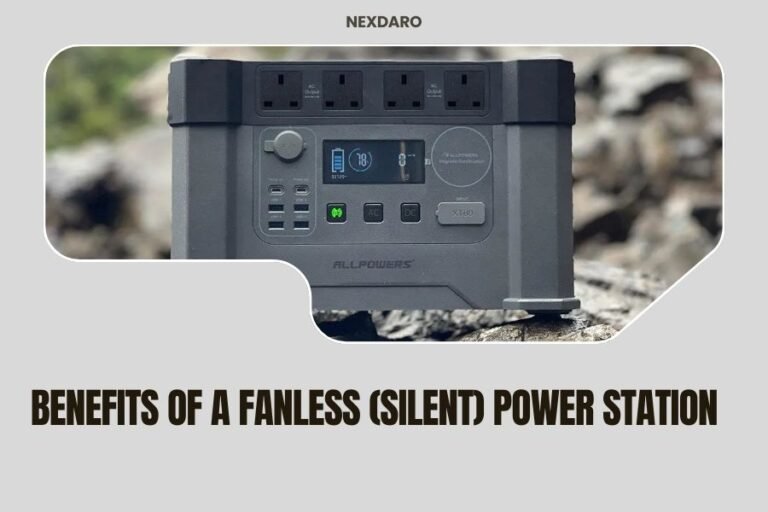
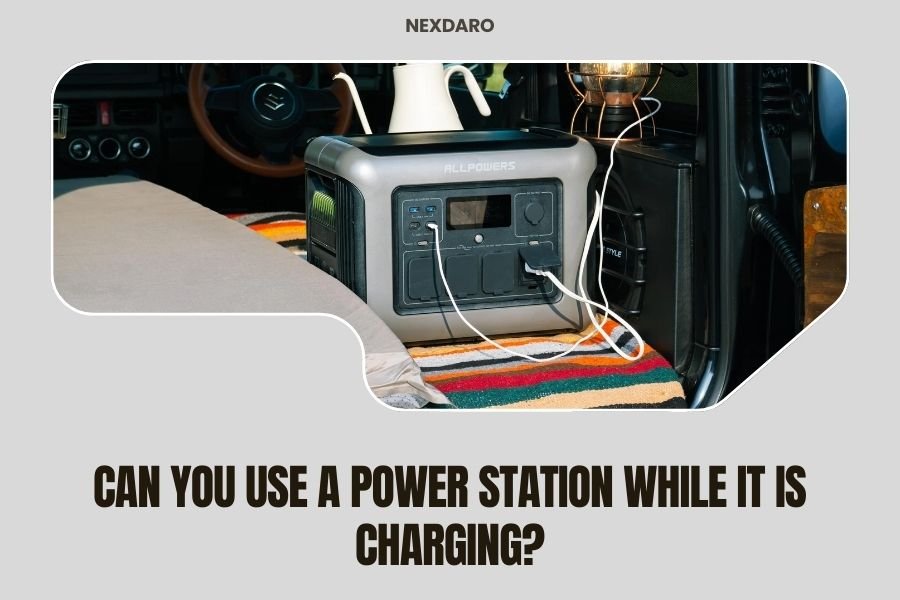
Yes, you can use most power stations while they are charging, but this depends on your specific model and power requirements.
This feature, called pass-through charging, lets you power devices while your station charges from an outlet or solar panels simultaneously.
What Is Pass-Through Charging?
Pass-through charging means your power station can receive and deliver power at the same time. Think of it like using your phone while it’s plugged into the wall charger.
Your power station draws electricity from its input source (wall outlet, car charger, or solar panels) and sends power to your connected devices. Any leftover energy charges the internal battery.
How Pass-Through Technology Works
The power station’s internal circuitry manages both incoming and outgoing electricity. Smart charging controllers prevent overheating and battery damage.
Most quality power stations prioritize powering your devices first. Then they use remaining capacity to charge the battery.
Which Power Stations Support This Feature?
Research shows that most modern lithium power stations support pass-through charging. Popular brands like Goal Zero, Jackery, and EcoFlow include this feature.
Older lead-acid models often lack this capability. Always check your manual or manufacturer specs before assuming your unit supports it.
Models That Excel at Pass-Through
I found that these power station types handle simultaneous charging and discharging best:
- Lithium iron phosphate (LiFePO4) models
- Units with pure sine wave inverters
- Stations rated above 500 watt-hours
- Models with dedicated UPS (uninterruptible power supply) modes
Benefits of Using While Charging
You get continuous power without interruption. This helps during extended camping trips or power outages.
Your devices stay powered while the station recharges. No need to wait hours for a full battery before using your equipment.
Perfect for Emergency Backup
Many experts recommend using pass-through mode as an emergency backup system. Your power station stays plugged in, maintaining a full charge.
When the grid fails, your connected devices keep running seamlessly. The station switches to battery power automatically.
Solar Charging Advantages
Pass-through charging works great with solar panels. You can power daytime devices while storing excess energy for nighttime use.
This maximizes your solar investment. No wasted sunshine when your battery reaches full capacity.
Potential Drawbacks and Limitations
Pass-through charging can reduce your battery’s lifespan slightly. The constant charging and discharging creates more heat and wear.
Some power stations experience reduced efficiency during simultaneous use. You might get 10-15% less runtime compared to using battery power alone.
Heat Generation Concerns
Your power station works harder when charging and discharging simultaneously. This creates additional heat that can stress internal components.
Keep your unit in a well-ventilated area. Don’t cover the cooling vents or place it in direct sunlight while using pass-through mode.
Power Limitations
Your output power might be limited during charging. Some models reduce maximum wattage to protect the charging circuit.
Check if your power station can deliver full rated power while charging. This matters for high-draw appliances like microwaves or power tools.
Safety Considerations
Most reputable power stations include built-in safety features. These prevent overcharging, overheating, and short circuits.
Never bypass safety mechanisms or modify your power station. The manufacturer designed these protections for your safety.
Temperature Monitoring
Watch your power station’s temperature during extended pass-through use. Many units display battery temperature on their screens.
Stop using the station if it becomes too hot to touch. Let it cool down before resuming operation.
Proper Ventilation Requirements
I found that power stations need at least 6 inches of clearance around cooling vents. This prevents dangerous heat buildup.
Never use your power station inside tents, vehicles, or enclosed spaces while charging. Carbon monoxide poisoning isn’t a risk, but overheating damage is.
Optimizing Performance During Charging
Start with your power station at least 20% charged before beginning pass-through use. This reduces stress on the battery management system.
Match your input and output power wisely. If you’re drawing 300 watts from the station, try to input at least 400 watts for charging.
Input Power Calculations
Here’s how to calculate your power needs:
| Device Load | Recommended Input | Charging Speed |
|---|---|---|
| 0-100 watts | 200+ watts | Fast |
| 100-300 watts | 400+ watts | Moderate |
| 300-500 watts | 600+ watts | Slow |
Battery Health Tips
Don’t keep your power station at 100% charge constantly. Many battery experts suggest maintaining 80% charge for daily use.
Give your battery occasional full discharge cycles. This helps calibrate the battery management system and maintains accuracy.
Best Practices for Different Scenarios
For camping trips, start each day with pass-through charging while making breakfast. This tops off your battery before heading out.
During power outages, connect only your most important devices. Save battery capacity for when the charging source fails too.
Solar Panel Integration
Position your solar panels for maximum sun exposure during peak device usage hours. This balances power generation with consumption.
Use an MPPT charge controller if your power station supports it. These optimize solar charging efficiency by up to 30%.
Home Backup Applications
I researched home backup setups and found that pass-through mode works well for internet routers, phones, and LED lights.
Avoid running high-power appliances continuously while charging. This can overwhelm your power station’s capabilities.
Critical Device Priority
Create a priority list for your devices. Medical equipment and communication devices should get power first.
Luxury items like TVs or gaming systems can wait until you have excess charging capacity.
Troubleshooting Common Issues
If your power station stops working during pass-through charging, check all cable connections first. Loose connections cause most problems.
Reset your power station by holding the power button for 10 seconds. This clears minor software glitches.
Overload Protection Activation
Your power station might shut down if you exceed its power limits. Remove some devices and restart the unit.
Wait at least 30 seconds before restarting. This allows the protection circuits to reset completely.
Display Error Messages
Most power stations show error codes on their displays. Common codes include overload, overheating, and low battery warnings.
Check your manual for specific error code meanings. Each manufacturer uses different codes and solutions.
When You Shouldn’t Use Pass-Through
Avoid pass-through charging during extreme temperatures. Both very hot and very cold conditions stress the battery unnecessarily.
Skip this feature if you’re only using low-power devices like phone chargers. The efficiency loss isn’t worth it for small loads.
Long-Term Storage Considerations
Don’t leave your power station in pass-through mode for months without use. This can damage the battery management system.
For long-term storage, charge to 50% and disconnect all power sources. Check and recharge every 3-6 months.
Conclusion
Using your power station while charging is not only possible but often beneficial. Pass-through charging keeps your devices powered during extended outages and maximizes solar energy use.
Remember to monitor temperature, maintain proper ventilation, and match your input power to your output needs. With smart usage habits, you can safely enjoy continuous power while protecting your investment.
Most modern lithium power stations handle this feature well, making them more versatile for camping, emergencies, and off-grid living. Just follow the manufacturer guidelines and use common sense about power limits.
Can pass-through charging damage my power station’s battery?
Pass-through charging can slightly reduce battery lifespan due to increased heat and cycling, but quality power stations include protections to minimize damage. The benefit usually outweighs the small reduction in battery life.
Why does my power station get warm during pass-through charging?
Your power station generates heat because it’s working harder to manage both incoming and outgoing power simultaneously. This is normal, but ensure adequate ventilation and stop use if it becomes too hot to touch.
Can I use my power station’s full wattage while it’s charging?
Many power stations limit output power during charging to protect internal circuits. Check your manual for specific limitations, as this varies by model and manufacturer.
Is it more efficient to charge first, then use, or use pass-through mode?
Charging first then using is about 10-15% more efficient due to reduced heat and conversion losses. But pass-through mode offers convenience and continuous power that often outweighs the efficiency difference.
What happens if my input power is less than my device load during pass-through?
Your power station will supplement the input power with battery power to meet your device needs. This means your battery will slowly discharge even while connected to a charging source.