
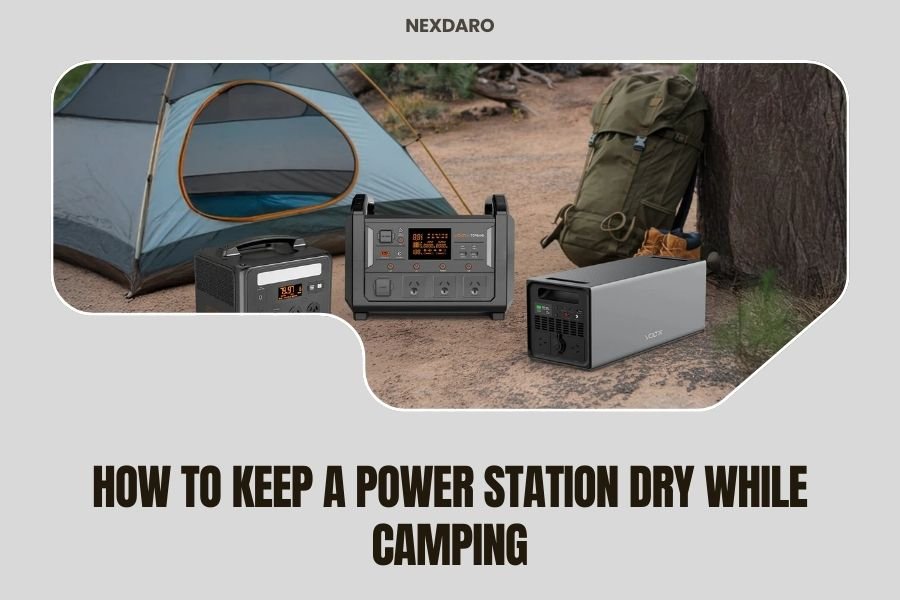
To keep a power station dry while camping, use waterproof covers, position it under shelter, and store it in sealed containers during rain.
The best protection combines physical barriers like tarps with proper placement away from ground moisture and direct weather exposure.
Why Water and Power Stations Don’t Mix
Water can destroy your power station in seconds. When moisture gets inside, it creates short circuits that fry the internal components. Your expensive camping companion becomes a paperweight.
I researched portable power station failures and found that water damage ranks as the top cause of field breakdowns. Most units aren’t designed to handle heavy rain or splashing.
What Happens When Water Gets In
Your power station contains sensitive electronics. Water causes immediate problems:
- Short circuits that kill the battery
- Corrosion on metal contacts
- Display screen damage
- Permanent system failure
IP Rating: Your First Line of Defense
Before you even pack, check your power station’s IP rating. This tells you how much water it can handle.
Most portable units rate between IP21 and IP65. The higher the number, the better the water protection. But don’t trust these ratings completely in harsh weather.
Understanding IP Numbers
| IP Rating | Water Protection | Camping Suitability |
|---|---|---|
| IP21 | Dripping water only | Light mist, dry conditions |
| IP44 | Water splashing | Light rain with cover |
| IP65 | Water jets | Heavy rain with precautions |
Essential Waterproofing Gear for Camping
Smart campers pack the right protection before heading out. You need multiple layers of defense against moisture.
Waterproof Cases and Covers
A quality waterproof case acts like armor for your power station. Look for cases with rubber seals and secure latches.
Pelican cases work great, but they’re heavy. Dry bags offer lighter protection for smaller units. Make sure whatever you choose fits your power station with room for cables.
DIY Cover Solutions
Can’t afford an expensive case? Make your own protection:
- Heavy-duty garbage bags with duct tape seals
- Plastic storage containers with tight lids
- Waterproof tarps wrapped securely
Tarps and Canopies
Create a dry zone around your power station. A good tarp keeps rain away from your entire setup.
Set up your tarp with a steep angle so water runs off quickly. Flat tarps collect water and eventually leak through or collapse.
Tarp Setup Tips
Position one corner higher than the others. This creates a natural drain that pulls water away from your camping area.
Use paracord and secure anchor points. Loose tarps flap in wind and lose their waterproof seal.
Strategic Placement and Positioning
Where you put your power station matters as much as how you cover it. Smart placement prevents most water problems before they start.
Ground Level Considerations
Never place your power station directly on the ground. Soil absorbs rainwater and releases moisture that can seep into your device.
Elevate your unit at least 6 inches off the ground. Use a camping table, cooler, or even a stack of firewood as a platform.
Drainage and Water Flow
Think like water when choosing your spot. Where does rain naturally flow in your campsite?
Avoid low spots where water collects. Set up on higher ground or create drainage channels that direct water away from your gear.
Distance from Water Sources
Keep your power station far from natural water sources. That peaceful stream can become a raging flood during heavy rain.
Lakes and rivers create humidity that can damage electronics over time. Position your gear uphill and at least 50 feet away from water.
Weather Monitoring and Preparation
Your smartphone weather app isn’t enough for serious camping. You need to watch conditions and prepare for changes.
Reading Weather Patterns
Check weather forecasts before you leave home. But also learn to read natural signs of approaching storms.
Dark clouds building in the afternoon often mean thunderstorms. Wind direction changes can signal weather fronts moving in.
Emergency Weather Protocols
When bad weather approaches, act fast:
- Move your power station to the most protected spot
- Double-check all covers and seals
- Disconnect unnecessary cables
- Have backup power ready if needed
Seasonal Water Challenges
Different seasons bring different moisture problems. Summer brings sudden thunderstorms. Fall creates heavy dew. Winter adds snow and ice.
Spring camping often means muddy conditions and unpredictable weather. Plan your protection strategy based on the season.
Ventilation While Staying Dry
Your power station needs airflow to prevent overheating. But ventilation openings let water in. You need to balance both needs.
Creating Airflow Without Exposure
Position ventilation holes away from prevailing winds and rain. Use baffles or shields that allow air movement but block direct water.
Some campers create “breathing rooms” using larger waterproof containers with air gaps at the top.
Managing Heat and Moisture
Trapped heat creates condensation inside protective covers. This internal moisture can be as damaging as external rain.
Check your power station regularly during use. If you see condensation forming, increase ventilation or reduce the load.
Emergency Drying Procedures
What if water gets in despite your best efforts? Quick action can save your power station from permanent damage.
Immediate Response Steps
Turn off your power station immediately. Don’t try to use it or check if it still works. Disconnect all cables and remove the unit from wet conditions.
Open any accessible panels or covers to let moisture escape. Remove the battery if possible – water and lithium batteries create dangerous reactions.
Field Drying Techniques
You can’t fully dry electronics in the field, but you can prevent further damage:
- Use compressed air to blow water out of openings
- Place the unit in a warm, dry location
- Use silica gel packets or rice to absorb moisture
- Wait at least 48 hours before attempting to power on
When to Seek Professional Help
Some water damage requires professional repair. If your power station was submerged or exposed to salt water, don’t try to fix it yourself.
Contact the manufacturer or a certified repair service. Attempting repairs on water-damaged lithium batteries can be dangerous.
Long-term Storage and Maintenance
Protecting your power station doesn’t end when you get home. Proper storage prevents moisture damage between trips.
Post-Camping Inspection
Check your power station after every camping trip. Look for signs of moisture intrusion like fogging in the display or corrosion on ports.
Clean and dry all protective gear before storing. Mold and mildew can grow in damp cases and contaminate your electronics later.
Storage Environment Control
Store your power station in a climate-controlled environment when possible. Basements and garages can be too humid for long-term electronics storage.
Use moisture absorbers in your storage area. Check and replace them regularly to maintain dry conditions.
Budget-Friendly Protection Options
You don’t need expensive gear to keep your power station dry. Smart campers find creative solutions that cost less than commercial products.
Repurposing Household Items
Large plastic food containers make excellent waterproof cases. Add some foam padding and you have professional-level protection.
Old umbrellas can become instant canopies. Pool noodles work as padding and flotation devices.
DIY Waterproof Solutions
Create custom covers using shower curtains and velcro. They’re lightweight, packable, and completely waterproof.
Combine multiple cheaper solutions for better protection than one expensive item. Layered defense works better than single-point protection.
Conclusion
Keeping your power station dry while camping requires planning, the right gear, and smart positioning. Start with understanding your device’s water resistance rating, then build multiple layers of protection around it. Use waterproof covers, elevate it off the ground, and position it away from natural water flow patterns.
Remember that prevention costs less than replacement. A few dollars spent on tarps and cases can save you hundreds on a new power station. Monitor weather conditions, have emergency drying procedures ready, and always inspect your gear after each trip. With these strategies, you can enjoy reliable power even in challenging outdoor conditions.
Can I use my power station in light rain if it has an IP65 rating?
While IP65 ratings offer good water protection, it’s still risky to use your power station directly in rain. The rating applies to controlled laboratory conditions, not real-world weather with wind-driven rain. Always provide additional shelter with tarps or covers even for high-rated units.
What’s the best emergency drying method if my power station gets wet?
Immediately power down the unit and disconnect all cables. Remove it from moisture and open any accessible panels. Place it in a warm, dry area with good airflow for at least 48 hours. Use silica gel packets or uncooked rice around the unit to absorb moisture, but don’t attempt to power it on until completely dry.
How high should I elevate my power station off the ground?
Elevate your power station at least 6 inches off the ground to avoid ground moisture and potential flooding. Use a stable platform like a camping table, cooler, or wooden platform. This also improves ventilation and makes the unit easier to access during use.
Are expensive waterproof cases worth the money for camping?
Professional waterproof cases offer excellent protection but aren’t always necessary. For occasional camping, DIY solutions like plastic storage containers with good seals work well. Invest in expensive cases if you camp frequently in harsh weather or if your power station costs more than $1000.
Should I remove the battery from my power station if it gets wet?
Only remove the battery if your power station is designed for user battery removal and you can do so safely. Many portable power stations have integrated batteries that shouldn’t be accessed by users. If water exposure occurs, power down immediately and seek professional service for units with non-removable batteries.
