
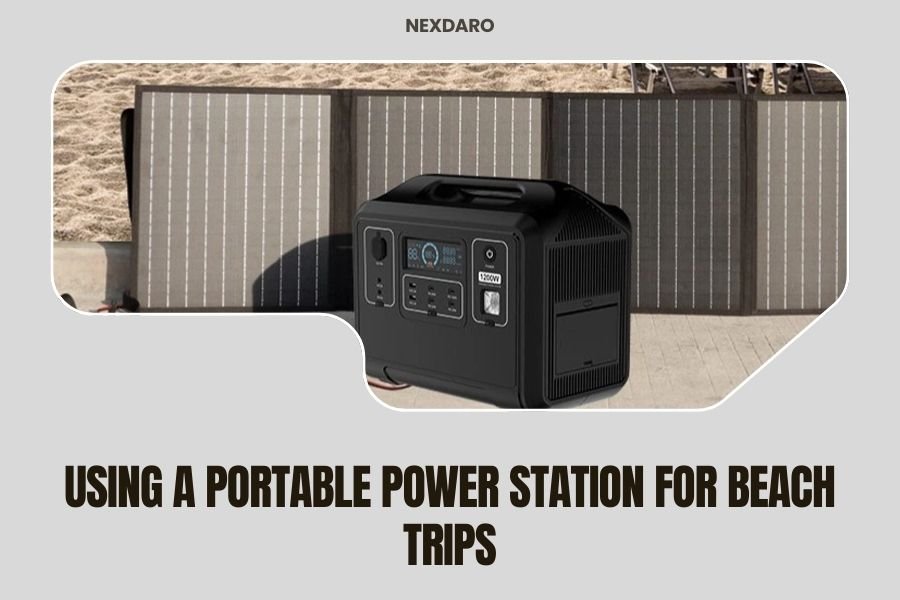
A portable power station for beach trips provides reliable electricity to charge devices, run small appliances, and power lighting without access to traditional outlets. Beach-friendly power stations typically offer 500-1000 watt-hours of capacity with waterproof features and sand-resistant designs.
The best portable power stations for beaches include solar charging capability, multiple USB ports, AC outlets, and sturdy construction that handles saltwater air and sandy conditions.
Why You Need Power at the Beach
Beach days stretch longer when you have reliable power. Your phone dies right when you need GPS to find parking. Your cooler stops keeping drinks cold. Your portable speaker runs out of juice during the perfect sunset.
I found that most beachgoers face the same frustrations. Dead devices. Warm food. No way to charge cameras for those perfect wave shots.
A portable power station solves these problems instantly. Think of it as your personal electrical outlet that goes anywhere sand meets water.
What Makes a Beach Power Station Different
Regular power stations work fine indoors. Beaches demand more from your equipment.
Salt Air Resistance
Ocean air contains salt that corrodes metal parts. Beach power stations need sealed cases and corrosion-resistant materials.
Research shows that salt air can damage electronics within hours if they lack proper protection (NOAA). Your power station must handle this constant exposure.
Sand Protection
Sand gets everywhere. It clogs ports, scratches screens, and jams cooling fans.
Look for power stations with covered ports and sealed ventilation systems. Rubber port covers work better than plastic flaps.
Temperature Control
Beach heat kills batteries fast. Direct sun can push surface temperatures over 120°F.
Quality beach power stations include thermal management systems. These keep internal temperatures safe even when sitting on hot sand.
Essential Features for Beach Power Stations
Battery Capacity
Beach trips need different power levels depending on your plans.
- Day trips: 300-500 watt-hours handles phones, tablets, and small devices
- Weekend camping: 1000-1500 watt-hours runs coolers and lights
- Extended stays: 2000+ watt-hours powers everything including small appliances
Output Options
Count your devices before choosing output types.
AC Outlets
Standard wall plugs for laptops, coolers, and appliances. Most beach power stations offer 1-2 AC outlets with 500-1000 watts total capacity.
USB Ports
Phones and tablets charge through USB. Look for both USB-A and USB-C options. Fast charging ports save time when everyone needs power.
12V Car Outlets
Car accessories and some coolers use 12V power. These outlets handle higher current than USB ports.
Solar Charging Capability
Beaches offer unlimited free solar energy. Why not use it?
Solar-compatible power stations let you recharge while using the device. Your power station stays topped off all day long.
I researched solar charging speeds and found that 100-watt solar panels can fully recharge a 500Wh power station in 6-8 hours of good sun.
Top Power Station Types for Beach Use
Lithium Iron Phosphate (LiFePO4)
These batteries handle heat better than standard lithium-ion. They last 3000+ charge cycles compared to 1000 for regular batteries.
LiFePO4 stations cost more upfront but save money over time. They also stay safer in hot beach conditions.
Standard Lithium-Ion
Cheaper option with good performance in moderate conditions. These work fine for occasional beach trips but struggle with extreme heat.
Keep these units in shade and avoid charging in direct sunlight.
Power Requirements for Common Beach Items
Knowing power needs helps you choose the right capacity.
| Device | Power Usage | Runtime on 500Wh Station |
|---|---|---|
| Smartphone | 10-15 watts | 30-50 charges |
| Tablet | 15-25 watts | 20-30 charges |
| Portable Cooler | 45-60 watts | 8-11 hours |
| LED Lights | 5-20 watts | 25-100 hours |
| Small Fan | 15-35 watts | 14-33 hours |
Setting Up Your Beach Power Station
Location Matters
Place your power station in shade when possible. Under umbrellas, behind coolers, or inside beach tents work well.
Keep the unit on a towel or mat. This prevents sand from scratching the case and helps with ventilation.
Cable Management
Long cables let you keep the power station protected while devices stay within reach.
Bring 6-foot charging cables minimum. This gives you flexibility in positioning everything safely.
Sand Protection Tips
Cover unused ports immediately after unplugging devices. Sand finds its way into everything.
Wipe the unit down before packing. A damp cloth removes salt residue that causes long-term damage.
Solar Panel Setup for Beach Charging
Panel Positioning
Face panels directly toward the sun for maximum power generation. Beach locations usually offer perfect sun exposure.
Adjust panel angle throughout the day. This keeps charging speeds high as the sun moves across the sky.
Sand and Wind Considerations
Secure panels against beach winds. Use sandbags or stakes designed for outdoor use.
Clean panels regularly during use. Salt spray and blowing sand reduce charging efficiency quickly.
Safety Tips for Beach Power Stations
Water Protection
Most power stations are not waterproof. Keep them away from waves, rain, and splashing.
Bring waterproof covers for sudden weather changes. Beach weather shifts fast.
Heat Management
Power stations generate heat during use. Beach heat adds to this internal temperature.
Many experts recommend taking charging breaks during the hottest part of the day (National Weather Service). Let the unit cool in shade before resuming heavy use.
Ventilation Needs
Never bury power stations in sand for protection. They need airflow to stay cool.
Keep air vents clear at all times. Blocked ventilation leads to overheating and shutdown.
Maintenance After Beach Use
Cleaning Process
Clean your power station after every beach trip. Salt and sand cause long-term damage if left on the unit.
Use slightly damp cloths to wipe exterior surfaces. Avoid getting water near ports or vents.
Storage Considerations
Store power stations at 50-70% charge for long-term battery health.
Keep units in cool, dry places between beach trips. Garages and basements work better than hot attics.
Budget Planning for Beach Power Stations
Entry Level Options
Basic 300-500Wh units start around $200-400. These handle essential device charging for day trips.
Mid-Range Choices
1000Wh stations with solar capability cost $500-800. These offer better features and longer runtime.
Premium Units
High-end stations with 1500+ Wh capacity and advanced features run $800-1500. These handle extended beach camping and multiple devices.
Common Beach Power Station Mistakes
Underestimating Power Needs
People often buy too small. Calculate your actual device needs before purchasing.
Add 25% extra capacity for unexpected use. Beach trips always need more power than planned.
Ignoring Environmental Protection
Treating beach power stations like indoor units leads to quick failure. Salt air and sand destroy unprotected electronics.
Forgetting Backup Plans
Power stations can fail. Bring backup battery packs for essential devices like phones.
Maximizing Beach Power Station Performance
Charging Strategy
Start each beach day with full power. Charge overnight before heading out.
Use solar panels to maintain charge during the day. This extends your available power significantly.
Device Prioritization
Charge essential items first. Phones and safety devices get priority over entertainment gadgets.
Turn off devices when not in use. This simple step dramatically extends available power.
Troubleshooting Beach Power Issues
Overheating Problems
Power stations shut down when too hot. Move to shade and let cool for 30 minutes before restarting.
Poor Solar Charging
Clean panels and check connections. Salt buildup blocks solar energy conversion.
Rapid Battery Drain
High-power devices drain batteries quickly. Check what’s plugged in and prioritize usage.
Conclusion
A portable power station transforms beach trips from battery anxiety to endless possibilities. You get reliable power for devices, coolers, lights, and entertainment without worrying about outlets or dead batteries.
Choose capacity based on your actual needs. Look for salt-air resistance and sand protection. Add solar panels for all-day charging capability.
Beach power stations pay for themselves quickly. No more leaving early because phones died. No more warm drinks from powerless coolers. No more missing perfect sunset photos.
Your beach adventures just got a major upgrade. Pack your power station and enjoy unlimited electricity wherever sand meets sea.
Can I use a regular power station at the beach?
Regular power stations work for short beach visits but lack protection against salt air and sand. Beach-specific units offer better sealing, corrosion resistance, and temperature management for coastal conditions.
How long does a 1000Wh power station last running a beach cooler?
A typical 12V beach cooler uses 45-60 watts, giving you 16-22 hours of runtime from a 1000Wh power station. Actual time varies based on cooler efficiency, outside temperature, and how often you open it.
What size solar panel do I need for beach charging?
A 100-watt solar panel provides good charging speed for most beach power stations. This size can fully recharge a 500Wh unit in 6-8 hours of direct sunlight while still allowing simultaneous device use.
Is it safe to charge devices during a beach thunderstorm?
No, bring your power station and devices to covered shelter during storms. Lightning, rain, and high winds create dangerous conditions for electronic equipment. Wait until weather clears before resuming outdoor charging.
How do I prevent sand from damaging my power station?
Keep the unit on a towel or mat, cover all unused ports immediately after unplugging devices, and place it upwind from blowing sand when possible. Clean the exterior with a damp cloth after each beach trip to remove salt residue.
