
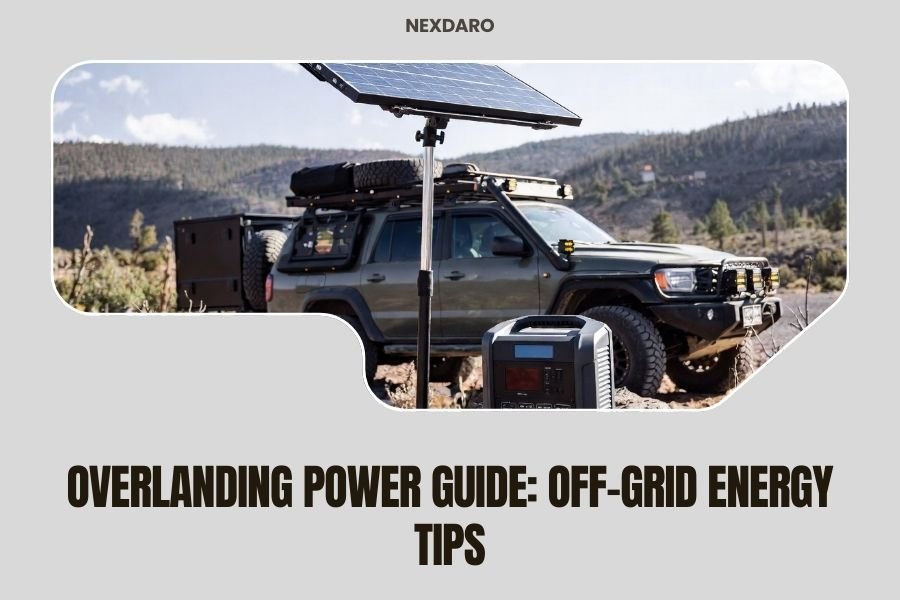
Overlanding power needs range from 100-400 watts daily for basic devices like phones, lights, and fridges during off-grid adventures.
Your overlanding power setup should include a portable power station, solar panels, and 12V accessories to maintain energy independence for weeks without grid access.
Essential Power Requirements for Overlanding
Planning your power needs starts with understanding what you’ll actually use. Most overlanders need between 100-400 watts per day depending on their setup and comfort level.
Your phone typically uses 10-15 watts daily. LED lights consume about 5-10 watts per hour. A 12V fridge draws 30-60 watts continuously. Add up these basics and you’ll see where your power budget goes.
Daily Power Consumption Breakdown
I researched typical overlanding setups and found these common power draws:
- Smartphone charging: 10-15 watts daily
- Laptop use (4 hours): 200-300 watts
- LED lighting: 20-40 watts daily
- 12V refrigerator: 720-1440 watts daily
- Water pump: 30-50 watts when active
- Fan ventilation: 15-25 watts per hour
Peak vs Continuous Power Needs
You need to think about two types of power. Continuous power keeps things running all day. Peak power handles big surges when devices start up.
Your microwave might need 1200 watts to run, but 1500 watts to start. This startup surge can trip smaller power stations if you don’t plan for it.
Portable Power Station Selection Guide
Battery capacity matters most for overlanding. Look for stations with 500-2000 watt-hours depending on your daily consumption.
Lithium iron phosphate (LiFePO4) batteries last longer and handle temperature swings better than standard lithium-ion. They cost more upfront but save money over years of use.
Battery Chemistry Comparison
| Battery Type | Lifespan (Cycles) | Temperature Range | Weight |
|---|---|---|---|
| Lithium-ion | 500-1000 | 32-104°F | Lighter |
| LiFePO4 | 2000-5000 | -4-140°F | Heavier |
| Lead-acid | 200-300 | 32-80°F | Heaviest |
Size and Weight Considerations
Space comes at a premium when overlanding. Measure your storage area before buying any power station.
A 1000Wh station typically weighs 20-30 pounds. Can you lift it easily? Will it fit in your designated spot? These practical questions matter more than spec sheets.
Portable vs Fixed Installation
Portable stations offer flexibility. You can move them for better solar access or bring them to your campsite.
Fixed installations save space and integrate better with your vehicle’s electrical system. They’re harder to steal but limit your setup options.
Solar Charging Solutions
Solar panels give you unlimited power as long as the sun shines. Plan for 100-400 watts of solar capacity depending on your power station size.
Monocrystalline panels work best for overlanding. They’re more efficient in partial shade and handle vibration better than other types.
Panel Types and Efficiency
I found that panel efficiency really matters when space is limited. Higher efficiency means more power from smaller panels.
Flexible panels stick to curved surfaces but generate more heat. This reduces their efficiency over time. Rigid panels stay cooler and last longer.
Foldable vs Rigid Panels
Foldable panels store easily but cost more per watt. They’re perfect if you have limited roof space or want portable setup options.
Rigid panels mount permanently and handle weather better. They’re cheaper but need dedicated mounting space on your roof or rack.
Solar Charge Controllers
Most power stations have built-in charge controllers. But if you’re building a custom system, you’ll need one.
MPPT controllers cost more but capture 20-30% more power than PWM controllers. This extra efficiency pays for itself quickly with limited solar capacity.
Sizing Your Solar Array
Your solar array should produce 1.5-2 times your daily power consumption. This accounts for cloudy days and charging inefficiencies.
If you use 200Wh daily, plan for 300-400 watts of solar panels. This gives you buffer for bad weather and future power needs.
Vehicle Integration Methods
Connecting your power system to your vehicle opens up more charging options. Your alternator can charge batteries while driving.
DC-DC chargers protect your vehicle’s electrical system while charging your house batteries. They’re essential for safe integration.
12V Outlet Limitations
Standard 12V outlets (cigarette lighters) limit you to about 120-150 watts. This works for small devices but won’t charge large power stations quickly.
Direct battery connections handle much more power but need proper fusing and wiring. Consult an expert if you’re not comfortable with electrical work.
Anderson Connectors
Anderson connectors provide secure, high-current connections. Many overlanders use them to connect portable panels and power stations.
The most common sizes are 15, 30, and 45 amp ratings. Choose based on your maximum current draw plus 25% safety margin.
Inverter Selection
Pure sine wave inverters work with all AC devices. Modified sine wave inverters cost less but can damage sensitive electronics.
Size your inverter for your largest AC load plus 25%. A 1000-watt inverter handles most overlanding needs except large appliances.
Power Management Strategies
Smart power management extends your off-grid time. Monitor your usage and adjust habits to match your generation capacity.
Run high-power devices during peak sun hours when solar panels produce maximum power. Save battery power for essentials after dark.
Load Prioritization
Not all devices need power all the time. Create a priority list for when power runs low.
Safety items like lights and communication devices come first. Comfort items like fans and entertainment systems come last.
Automatic Load Shedding
Some advanced systems automatically disconnect low-priority loads when batteries get low. This protects essential systems.
You can set up simple versions using low-voltage disconnects. They’re cheap insurance against dead batteries.
Energy Conservation Tips
LED lights use 80% less power than incandescent bulbs. Switching all your lighting saves significant power over days and weeks.
Insulate your fridge space well. A well-insulated fridge uses half the power of a poorly insulated one.
Phantom Loads
Many devices draw power even when “off.” These phantom loads add up over time.
Use switched outlets or unplug devices completely. A few watts here and there become significant over a week-long trip.
Backup Power Options
Solar panels don’t work in all conditions. Having backup charging options keeps you powered when the sun doesn’t shine.
Portable generators provide reliable backup power but add noise and fuel requirements to your setup.
Generator Selection
Inverter generators run quietly and provide clean power for sensitive electronics. They cost more but work better for overlanding.
Size your generator to charge your batteries plus run essential loads. A 2000-watt generator handles most overlanding needs.
Fuel Considerations
Gasoline generators are common but storing extra fuel creates fire risks. Propane generators use readily available fuel but produce less power per pound.
Diesel generators match your vehicle’s fuel but cost more upfront. Consider what fuel you’ll have access to on your routes.
Wind Power Supplements
Small wind generators work in windy areas but need steady 15+ mph winds. They’re noisy and complex for most overlanding situations.
Wind power works best as a supplement to solar, not a primary source. Research wind patterns in your destination areas.
Maintenance and Troubleshooting
Regular maintenance keeps your power system running smoothly. Clean solar panels weekly and check connections monthly.
Dust and dirt reduce solar panel efficiency by 20-30%. A simple rinse with water restores most of their power output.
Battery Care
Don’t let lithium batteries sit at 100% or 0% charge for extended periods. Store them at 50-70% charge for longest life.
Temperature extremes damage all battery types. Insulate your power station in hot climates and bring it inside in freezing weather when possible.
Common Issues
Loose connections cause voltage drops and poor performance. Check all connections regularly and tighten as needed.
Corroded terminals block power flow. Clean them with baking soda solution and protect with dielectric grease.
Conclusion
Your overlanding power setup needs careful planning but rewards you with true energy independence. Start with your actual power needs, not what you think you might use.
A well-designed system grows with your needs. Begin with basics like phone charging and lighting, then add comfort items as your experience and budget allow. The freedom to camp anywhere without power worries makes the investment worthwhile.
How long will a 1000Wh power station last while overlanding?
A 1000Wh power station typically lasts 2-5 days depending on your usage. Running just phones, lights, and a small fan extends it to 4-5 days. Adding a 12V fridge reduces it to 1-2 days without solar charging.
Can I charge my power station while driving?
Yes, most power stations charge from 12V outlets while driving. However, standard outlets limit charging to 120-150 watts, so it takes 8-10 hours of driving to fully charge a 1000Wh station. DC-DC chargers provide faster charging directly from your alternator.
What size solar panel do I need for overlanding?
Plan for 200-400 watts of solar panels for most overlanding setups. This provides enough power to run basic electronics plus partially offset a 12V fridge. Larger fridges or AC devices need 400+ watts of solar capacity.
Are portable generators worth carrying for overlanding?
Portable generators work as emergency backup but aren’t ideal for daily use. They create noise in peaceful settings and require fuel storage. Use them mainly for extended cloudy periods or charging large battery banks quickly.
How do I calculate my daily power needs for overlanding?
List every device you’ll use and multiply its wattage by hours of daily use. Add 20% buffer for inefficiencies. Most overlanders use 150-300Wh daily for basic needs, or 500-800Wh with electric fridges and laptops.
