
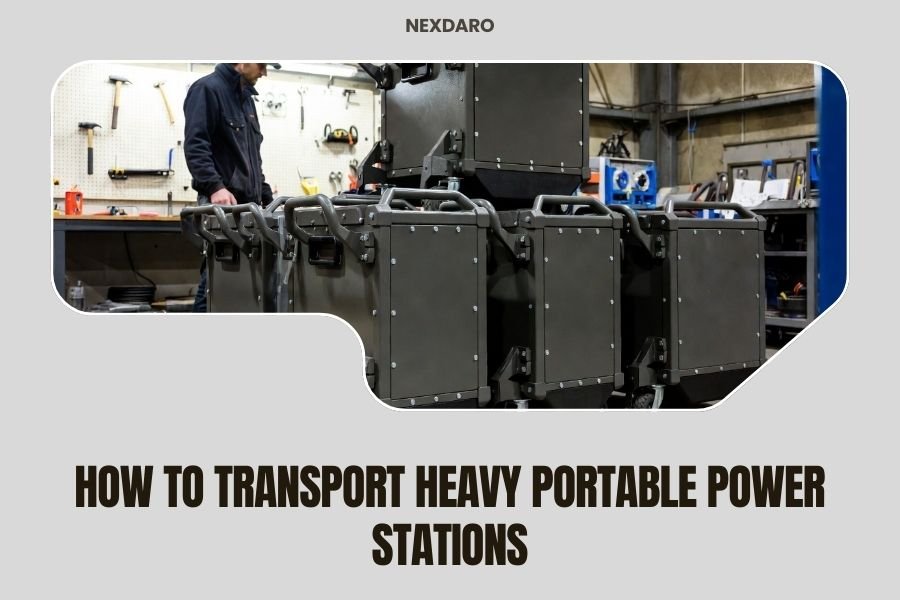
Transport heavy portable power stations using wheeled luggage, dollies, or shoulder straps designed for their weight capacity.
The safest method involves keeping the unit upright and securing it during transport to prevent battery damage.
Weight Considerations for Portable Power Stations
Most portable power stations weigh between 30 to 100 pounds. The heavier units pack more battery capacity but create real transport challenges.
I researched weight ranges across popular models and found that units over 50 pounds need special handling. Your back will thank you for planning ahead.
Understanding Weight Categories
Light units (under 30 lbs) are easy to carry by hand. Medium units (30-60 lbs) need two-handed lifting or wheeled transport. Heavy units (over 60 lbs) require mechanical assistance.
The weight comes from lithium batteries, which don’t like being dropped or shaken hard.
Best Transport Methods for Heavy Units
You have several good options for moving these power stations safely. Each method works better for different situations.
Wheeled Luggage Solution
Rolling luggage works great for many power stations. Look for hard-shell cases with four wheels that can handle the weight.
Make sure the case dimensions fit your unit. I found that many people use Pelican cases or similar protective containers.
Choosing the Right Case Size
Measure your power station first. Add two inches on each side for padding. Check the case weight limit before buying.
Utility Dollies and Hand Trucks
A basic hand truck can move almost any power station. Look for ones rated for at least 150 pounds to be safe.
Secure the unit with bungee cords or straps. Keep it upright during transport to protect the internal components.
Folding vs Fixed Dollies
Folding dollies store easier but have lower weight limits. Fixed dollies handle more weight but take up storage space.
Vehicle Loading and Securing
Getting your power station into a car or truck needs some planning. The goal is preventing movement during travel.
Car Transport Tips
Place the unit on the floor behind front seats when possible. This keeps the center of gravity low and prevents rolling.
Use seat belts or cargo nets to hold it in place. Avoid putting it on seats where it could slide around.
SUV and Hatchback Loading
Rear cargo areas work well for power stations. Push the unit against the back seats and use cargo organizers to prevent sliding.
Truck Bed Transport
Truck beds offer the most space but need extra securing. Use tie-down straps attached to the bed anchor points.
Cover the unit with a tarp or place it in a toolbox to protect from weather and road debris.
Safety Precautions During Transport
Battery safety matters most when moving these units. Lithium batteries can be damaged by impacts or extreme temperatures.
Temperature Protection
Don’t leave power stations in hot cars for long periods. Extreme heat can damage battery cells and reduce capacity.
Cold weather is less harmful but can temporarily reduce performance. Bring the unit to room temperature before using.
Ventilation Needs
These units need some air circulation. Don’t seal them in airtight containers for long trips.
Impact Prevention
Cushion the unit with blankets or foam padding. The internal battery management system can be sensitive to hard knocks.
Lift with your legs, not your back. Get help for units over 60 pounds to avoid injury.
Airport and Air Travel Rules
Most portable power stations cannot fly on commercial airlines. The lithium battery capacity exceeds TSA limits.
Battery Capacity Restrictions
Airlines typically allow lithium batteries up to 100Wh in carry-on bags. Most power stations are 300Wh or higher.
Check with your airline before traveling. Some allow smaller units as checked baggage with special handling.
International Travel Considerations
Different countries have varying rules for battery transport. Research destination requirements before packing.
Long Distance Moving Tips
Moving across states or countries with your power station needs extra planning. Focus on protecting the battery during extended transport.
Charge Level for Transport
Keep the battery at 50-60% charge for long-term storage or transport. This helps maintain battery health.
Full or empty batteries can degrade faster during extended periods without use.
Climate Control During Storage
Store in climate-controlled areas when possible. Garage temperatures can vary too much for battery health.
Professional Moving Services
Some moving companies handle electronic equipment with special care. Ask about their policies for battery-powered devices.
Declare the item as a lithium battery device. This helps movers handle it properly and follow safety protocols.
| Transport Method | Weight Limit | Best Use Case | Cost Range |
|---|---|---|---|
| Wheeled Case | 50-75 lbs | Frequent travel | $100-300 |
| Hand Truck | 150+ lbs | Loading/unloading | $50-150 |
| Shoulder Straps | 40 lbs max | Short distances | $20-50 |
| Professional Moving | No limit | Long distance | $200-500 |
Common Transport Mistakes
People often underestimate the weight and awkward shape of these units. Plan your route and have help ready.
Lifting Technique Errors
Don’t twist while lifting heavy power stations. Face the direction you’re moving and keep your back straight.
Use both handles when available. Single-handed lifting puts stress on one side of the unit.
Securing Mistakes
Loose straps allow the unit to shift during transport. Check connections before starting your trip.
Conclusion
Transporting heavy portable power stations safely comes down to using the right equipment and techniques. Wheeled cases work best for regular travel, while dollies help with loading and unloading. Always keep the unit upright and secure it properly during transport. Your investment in proper transport equipment will protect both your power station and your back. Plan ahead, get help when needed, and your power station will serve you well for years to come.
What’s the maximum weight I can safely lift alone?
Most experts recommend limiting manual lifting to 30-40 pounds to prevent injury. Units heavier than this need mechanical assistance or a second person to help with lifting.
Can I transport a power station on its side?
Keep power stations upright when possible to protect internal components and battery connections. Brief periods on their side during loading are usually fine, but avoid extended transport in this position.
Do I need special insurance for transporting expensive power stations?
Check your auto insurance policy for coverage of electronic equipment during transport. Some policies exclude high-value electronics, so you might need additional coverage for expensive units.
How do I protect my power station from theft during transport?
Use covered transport when possible and never leave valuable units visible in vehicles. Consider removing brand labels or using generic carrying cases to reduce attention from potential thieves.
What should I do if my power station gets wet during transport?
Turn off the unit immediately and don’t attempt to charge or use it until completely dry. Contact the manufacturer for specific drying instructions, as water damage can create safety hazards with lithium batteries.
