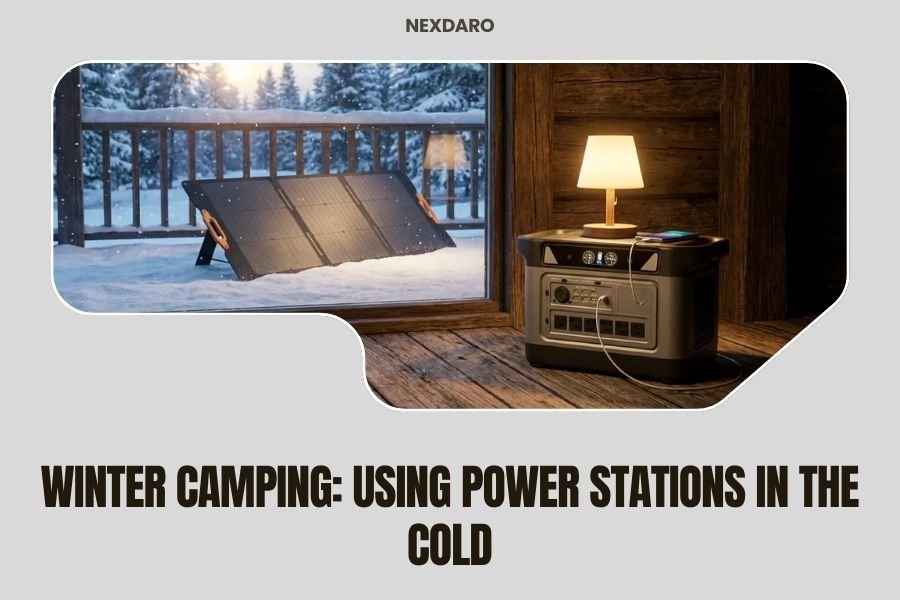
Power stations work well in cold weather when you follow proper winter storage and usage practices. Most portable power stations operate safely in temperatures down to 14°F (-10°C), though battery capacity drops 10-30% in freezing conditions.
Your winter camping success depends on choosing the right power station size, keeping batteries warm, and managing power consumption efficiently during cold nights.
How Cold Weather Affects Power Station Performance
Cold temperatures create real challenges for your power station. Lithium batteries lose capacity as temperatures drop. At 32°F, you might see 10% less power. At 0°F, that loss can reach 30%.
The good news? This capacity loss isn’t permanent. Your battery bounces back to full capacity once it warms up again.
Temperature Operating Ranges
Most power stations handle temperatures from 14°F to 104°F (-10°C to 40°C). Some premium models work down to -4°F (-20°C). Check your manual for exact specs.
Your charging speed also slows in cold weather. What normally takes 3 hours might need 5 hours at freezing temperatures.
Battery Chemistry Differences
LiFePO4 batteries perform better in cold than standard lithium-ion. They maintain more capacity and charge faster when temperatures drop. Lead-acid batteries struggle the most in winter conditions.
Choosing the Right Power Station for Winter Camping
Size matters more in winter. Plan for 30% extra capacity to account for cold weather losses. If you normally need 500Wh, bring 650Wh or more.
Essential Features for Cold Weather
Look for these winter-friendly features:
- Built-in battery heating systems
- Wide temperature operating range
- Multiple charging options (solar, car, wall)
- LCD display that works in cold
- Solid construction and weatherproofing
Capacity Planning for Winter Trips
Research shows winter campers use 40-60% more power than summer trips. You’re running heaters, lights stay on longer, and devices drain faster.
A 1000Wh power station handles most 2-3 day winter trips for two people. This covers LED lighting, phone charging, small heaters, and emergency power needs.
Pre-Trip Preparation Strategies
Smart preparation prevents power problems on the trail. Start with a fully charged station stored at room temperature until departure.
Testing Your Setup at Home
Test your entire power system before leaving. Run your planned devices for a few hours. Check how much power you actually use versus your estimates.
This test reveals power-hungry devices you might not expect. That small camp fan might draw more watts than your phone charger.
Creating Backup Power Plans
Always have a backup charging method. Solar panels work even in winter, though they produce less power. Car charging gives you options if weather turns bad.
Solar Panel Winter Performance
Solar panels actually work better in cold temperatures. The challenge is shorter daylight hours and potential snow cover. Clean panels frequently and angle them toward maximum sun exposure.
Keeping Your Power Station Warm
Temperature management extends battery life and maintains capacity. Keep your power station inside your tent or sleeping area when possible.
Insulation Techniques
Wrap your power station in a sleeping bag or insulated cover overnight. This keeps it closer to optimal operating temperature. Just make sure ventilation ports stay clear.
Some campers use hand warmers attached to their power station case. This works, but watch for overheating. Battery management systems handle this, but why risk it?
Strategic Placement Tips
Place your power station away from tent walls where condensation forms. Keep it on an insulated surface, not directly on snow or frozen ground.
If using inside your tent, position it where you won’t accidentally kick it during the night. A small gear organizer works perfectly.
Managing Power Consumption in Cold Weather
Cold weather camping requires smarter power management. Every watt counts more when your battery capacity drops.
High-Priority vs Low-Priority Devices
Phone and emergency beacon charging comes first. Comfort items like portable heaters come second. Entertainment devices rank last when power runs low.
LED lights use minimal power compared to heating devices. A 10W LED lantern runs 50+ hours on a 500Wh power station. A 500W heater runs just 1 hour on the same charge.
Heating Strategy Alternatives
Electric heaters drain power stations fast. Better options include:
- Quality sleeping bags rated below expected temperatures
- Insulated sleeping pads with high R-values
- Battery-powered heated clothing
- Chemical hand and foot warmers
When Electric Heating Makes Sense
Use electric heaters strategically. Run them for 15-30 minutes before bed to warm your sleeping area. Turn them off overnight and rely on proper insulation.
Charging Your Power Station in Winter
Charging speed slows in cold weather. Plan extra time for solar charging and keep backup options ready.
Solar Charging Optimization
Position solar panels to catch maximum winter sun. Clean snow off panels regularly. Even a thin layer reduces power generation significantly.
Fold-out solar panels work better than rigid panels in winter. You can adjust angles easily and shake off snow buildup.
Vehicle Charging Considerations
Your car’s 12V outlet provides reliable charging in any weather. Most power stations charge from 12V inputs, though slower than wall outlets.
Run your engine periodically while charging to avoid draining your car battery. Cold weather already stresses vehicle batteries.
Safety Considerations for Cold Weather Use
Winter conditions create unique safety challenges. Condensation, reduced visibility, and extreme cold require extra precautions.
Moisture and Condensation Protection
Tent condensation can damage electronics. Keep your power station in a dry bag or waterproof case when not in use.
Wipe down your power station if it gets wet from snow or condensation. Check ports and vents for moisture before charging or using.
Emergency Power Protocols
Reserve 25% of your power station capacity for true emergencies. This powers your phone, GPS, and emergency beacon when needed most.
Know your power station’s emergency features. Some models have built-in flashlights or SOS signals that work even when main power is low.
Maintenance After Winter Trips
Proper post-trip care extends your power station’s lifespan. Cold weather and moisture create extra maintenance needs.
Cleaning and Drying Procedures
Let your power station return to room temperature before detailed cleaning. Wipe down all surfaces and check for moisture in ports or vents.
Store your power station at 50-60% charge if not using immediately. Full charges can stress batteries during long storage periods.
Battery Health Monitoring
Check your power station’s capacity after several winter trips. Cold weather cycling can gradually reduce maximum capacity over time.
Most modern power stations show battery health information on their displays or companion apps. Watch for significant capacity drops that might indicate battery issues.
| Temperature Range | Expected Capacity Loss | Charging Speed Impact | Recommended Actions |
|---|---|---|---|
| 32°F to 50°F | 5-10% | Minimal | Normal operation |
| 14°F to 32°F | 10-20% | 20% slower | Keep warm when possible |
| 0°F to 14°F | 20-30% | 40% slower | Insulate and warm before use |
| Below 0°F | 30%+ | 50%+ slower | Bring indoors when possible |
Conclusion
Winter camping with power stations works well when you plan for cold weather challenges. Your battery will lose some capacity, but proper preparation and smart power management keep you comfortable and safe.
Focus on the basics: choose adequate capacity, keep your power station warm, prioritize essential devices, and maintain multiple charging options. These strategies ensure reliable power throughout your winter adventures.
Remember that every winter trip teaches you something new about power management. Start with shorter trips to test your setup, then build confidence for longer expeditions. Your power station becomes a reliable winter companion when you understand its cold weather behavior.
How long will a 1000Wh power station last in winter camping?
A 1000Wh power station typically lasts 2-3 days for basic winter camping needs like lighting, phone charging, and occasional heating. Expect 20-30% less runtime in freezing temperatures due to reduced battery capacity.
Can I leave my power station outside in freezing weather?
Most power stations handle outdoor use down to 14°F, but performance drops significantly. Keep it in your tent or shelter when possible. If left outside, insulate it and bring it to room temperature before heavy use.
Do solar panels work well for charging power stations in winter?
Solar panels work in winter but produce 40-60% less power due to shorter days and lower sun angles. Clear snow regularly and angle panels toward the sun. Consider solar as supplemental rather than primary charging in winter.
What size power station do I need for winter tent heating?
For occasional heating use, a 1500Wh power station handles a 500W heater for about 3 hours. Continuous heating drains power stations quickly, so focus on good insulation and use electric heat strategically for warming up sleeping areas.
Should I worry about my power station freezing solid?
Modern power stations have built-in protection that prevents operation below safe temperatures. The battery won’t freeze solid, but it will stop working until warmed up. This protects the internal components from damage.