
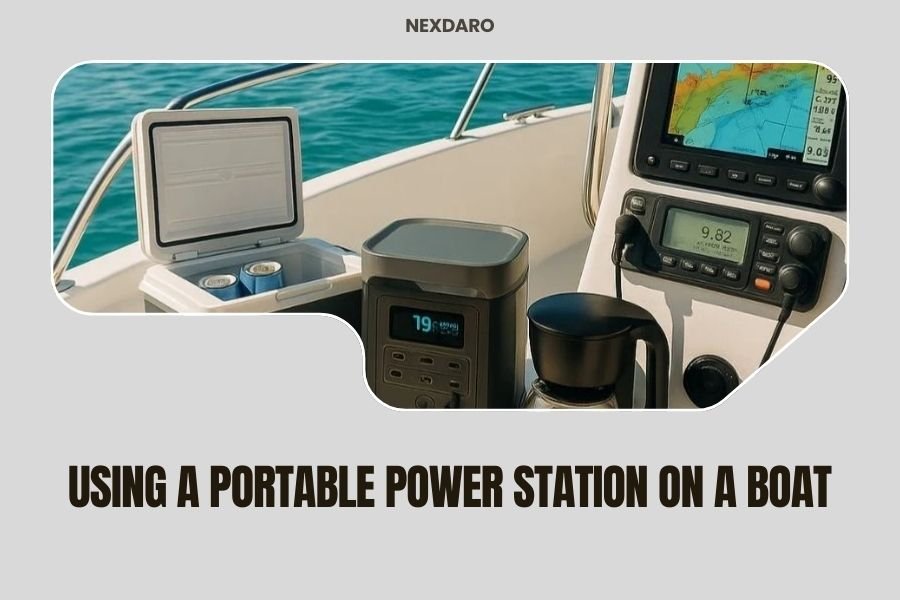
Yes, you can safely use a portable power station on a boat to run electronics, lights, and small appliances without draining your boat’s main battery.
A portable power station on a boat provides backup power, charges devices, and keeps safety equipment running during emergencies or extended trips.
Why You Need a Portable Power Station on Your Boat
Your boat’s electrical system works hard. It powers navigation lights, fish finders, radios, and bilge pumps. But what happens when your main battery dies or you need extra power for camping gear?
That’s where a portable power station saves the day. Think of it as a backup generator that doesn’t make noise or produce fumes. You get clean, quiet power whenever you need it.
Protection for Your Main Marine Battery
Running too many devices can drain your starter battery. Then you’re stuck on the water with no way to start your engine.
A portable power station keeps your main battery safe. Use it for non-essential items like phone chargers, coolers, or LED strips. Your boat battery stays ready for engine starting and safety equipment.
Emergency Power When You Need It Most
Marine emergencies happen fast. Your radio dies. GPS goes dark. Navigation lights fail.
From what I read, Coast Guard reports show that many boating accidents happen when electrical systems fail. A backup power source can be a lifesaver.
Choosing the Right Power Station for Marine Use
Not every portable power station works well on boats. Water, salt air, and constant motion create tough conditions.
Waterproof Rating Requirements
Look for an IP65 rating or higher. This means the unit can handle splashing water and wet conditions. Marine environments are harsh on electronics.
Some units come with waterproof cases. Others have built-in protection. Either way, water resistance isn’t optional on a boat.
Battery Capacity for Marine Activities
How much power do you actually need? Here’s what I found works best for different boat sizes:
- Small boats (under 20 feet): 300-500 watt-hours
- Medium boats (20-30 feet): 500-1000 watt-hours
- Large boats (over 30 feet): 1000+ watt-hours
Remember, bigger isn’t always better. Larger units weigh more and take up precious storage space.
Power Output Considerations
Check both continuous and peak power ratings. Your fish finder might need 50 watts continuously but 150 watts when starting up.
Most marine electronics run on 12V DC power. Make sure your power station has 12V outlets, not just AC plugs.
Installation and Setup on Your Boat
Installing a portable power station isn’t rocket science. But you need to do it right for safety and performance.
Best Mounting Locations
Pick a spot that’s dry, secure, and well-ventilated. I found that most boaters prefer these locations:
- Inside a cabin storage compartment
- Under the helm console
- In a dedicated electronics box
Avoid mounting near the engine or in areas that get direct water spray. Heat and moisture are your enemies.
Securing Your Power Station
Boats move. A lot. Your power station needs to stay put during rough conditions.
Use marine-grade straps or mounting brackets. Some people build custom boxes with foam padding. The goal is zero movement, even in choppy water.
Wiring and Connections
Keep wiring simple and safe. Use marine-grade cables and connectors. They resist corrosion better than automotive parts.
Many experts say to install a main disconnect switch. This lets you cut power quickly in an emergency.
Fuse Protection
Every circuit needs proper fusing. Use marine fuses rated slightly higher than your normal load. A 10-amp device should have a 15-amp fuse.
Fuses prevent fires if something goes wrong. On a boat, that’s not just about money – it’s about your life.
What Devices Can You Power?
A portable power station opens up many possibilities on the water. But not everything is a good fit.
Essential Marine Electronics
These devices work great with portable power stations:
| Device | Power Draw | Runtime (500Wh unit) |
|---|---|---|
| Fish finder | 20-50 watts | 10-25 hours |
| LED nav lights | 10-30 watts | 16-50 hours |
| VHF radio | 15-25 watts | 20-33 hours |
| GPS chartplotter | 30-60 watts | 8-16 hours |
Comfort and Convenience Items
Don’t forget about comfort. A portable power station can run:
- LED cabin lights
- Small refrigerators or coolers
- Phone and tablet chargers
- Small fans for ventilation
- Water pumps for freshwater systems
Devices to Avoid
Some equipment draws too much power for portable units. High-power items like electric windlasses, large bilge pumps, or air conditioning systems need your main electrical system.
Starting motors is also a no-go. Marine engines need huge current bursts that portable stations can’t provide.
Safety Considerations for Marine Use
Water and electricity don’t mix. Following safety rules protects your boat and your crew.
Preventing Water Damage
Even waterproof units can fail if water gets in the wrong place. Check seals regularly. Look for cracks or damage after every trip.
Many Coast Guard safety inspectors recommend keeping electronics in sealed boxes when not in use. It’s extra protection against spray and humidity.
Ventilation Requirements
Lithium batteries generate heat during charging and use. Poor ventilation can cause overheating or even fires.
Leave space around your power station. Don’t pack it tight against other equipment. Air flow keeps temperatures safe.
Fire Prevention
Marine fires spread fast and are hard to escape. Prevention is everything.
Never charge your power station unattended. Check connections for heat or corrosion. Replace damaged cables immediately.
Keep a marine fire extinguisher nearby. Make sure it’s rated for electrical fires.
Charging Your Power Station While Boating
A dead power station is useless. You need reliable ways to keep it charged on the water.
Shore Power Charging
The easiest method is plugging in at the dock. Most portable power stations charge from regular AC outlets in 4-8 hours.
Plan your charging around marina stops. Top off the battery every chance you get.
Engine Alternator Charging
Your boat’s engine can charge the power station while running. You’ll need a DC-to-DC charger or inverter setup.
This works great for long runs between anchorages. The engine charges both your main battery and backup power.
Solar Charging Options
Solar panels make perfect sense on boats. You get free power from the sun during the day.
A 100-watt solar panel can add 300-500 watt-hours per day in good conditions. That’s enough to run basic electronics indefinitely.
Flexible panels work better than rigid ones on boats. They conform to curved surfaces and resist impact damage.
Maintenance Tips for Marine Environments
Salt water corrodes everything. Regular maintenance keeps your power station working when you need it most.
Cleaning and Corrosion Prevention
Rinse your power station with fresh water after every saltwater trip. Don’t spray directly – use a damp cloth to wipe down surfaces.
Check all connections monthly. Look for white or green corrosion buildup. Clean it off with a wire brush and protective spray.
Storage During Off-Season
Store your power station in a dry location during winter. Keep the battery at 50-60% charge for long-term storage.
Many battery experts say to check charge levels every 3 months. Top up if needed to prevent damage from deep discharge.
Cost Analysis and Return on Investment
Portable power stations aren’t cheap. But they can save money compared to other marine power options.
Comparing Costs to Alternatives
A quality marine power station costs $500-2000 depending on capacity. Compare that to:
- Additional marine batteries: $200-500 each
- Professional electrical installation: $500-1500
- Marine generator: $1000-5000
The power station wins on simplicity and noise levels. Generators are louder and need fuel. Extra batteries require complex wiring.
Long-Term Value
A good portable power station lasts 5-10 years with proper care. That’s thousands of hours of reliable backup power.
You can also use it for camping, emergency home backup, or outdoor events. Try doing that with a marine battery bank.
Real-World Performance Expectations
Marketing claims don’t always match reality. Here’s what you can actually expect on the water.
Runtime Under Typical Loads
A 500-watt-hour power station running typical marine electronics will last:
- Fish finder + GPS + lights: 6-8 hours
- VHF radio + phone charging: 15-20 hours
- Small cooler (cycling): 8-12 hours
Cold weather reduces these times by 20-30%. Heat isn’t much better. Plan accordingly.
Charging Time Realities
Shore power charging usually takes longer than advertised. A “4-hour” charge might take 6 hours in practice.
Solar charging depends heavily on weather and panel positioning. Cloudy days give you maybe 30% of rated output.
Conclusion
A portable power station gives you energy independence on the water. You get backup power for emergencies, extra capacity for comfort items, and protection for your main electrical system.
Choose a marine-rated unit with proper waterproofing. Size it for your actual needs, not wishful thinking. Install it securely with proper ventilation and safety equipment.
Regular maintenance keeps your investment working for years. Clean connections, prevent corrosion, and store properly during off-season.
The peace of mind alone makes it worthwhile. When your main battery dies or you need power at anchor, you’ll be glad you planned ahead.
Can I use a regular portable power station on a boat?
You can, but marine-rated units work better. Regular power stations lack waterproofing and corrosion resistance needed in salt water environments. They may fail when you need them most.
How long will a 1000Wh power station run my fish finder?
A typical fish finder uses 30-50 watts, so a 1000Wh unit will run it for 20-33 hours continuously. In practice, you’ll get longer since fish finders cycle on and off during use.
Can I charge my power station from my boat’s alternator?
Yes, with the right equipment. You need a DC-to-DC charger or inverter to convert your boat’s 12V system to the proper charging voltage. This works great while the engine is running.
Do I need special marine cables for my power station?
Marine-grade cables resist corrosion better than regular wires. Use tinned copper wire with marine connectors for any permanent installations. The extra cost prevents costly failures later.
What size solar panel do I need to keep my power station charged?
A 100-watt panel generates about 400-500 watt-hours per day in good conditions. This matches the daily power use of most small boat electronics. Larger boats may need 200-300 watts of solar panels.
