
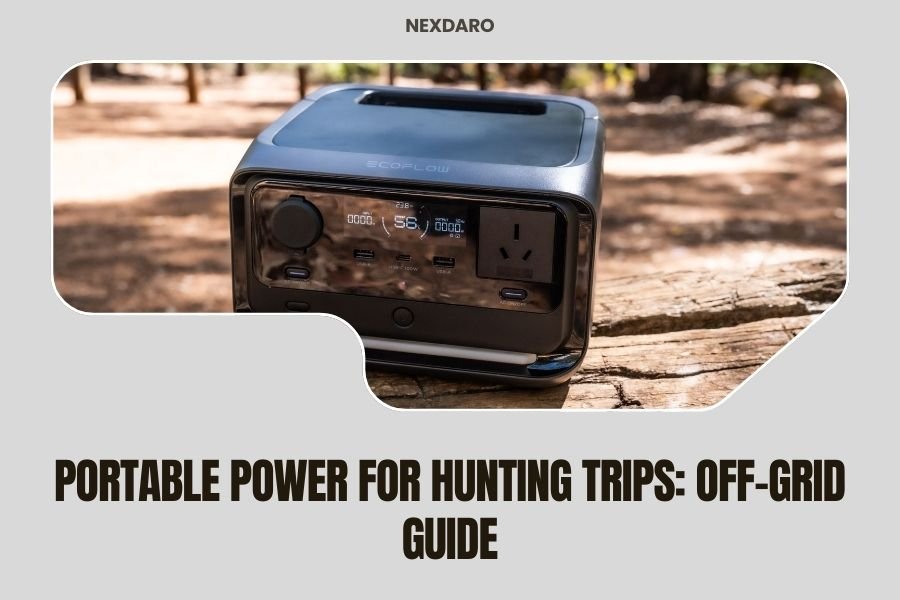
Portable power stations for hunting trips need 300-500 watt-hour capacity to run essential gear like GPS devices, trail cameras, and phone chargers for 2-3 days off-grid.
You’ll want lithium battery models with multiple charging ports, weatherproof design, and quiet operation to avoid spooking wildlife during your hunting adventures.
Why Hunters Need Portable Power Stations
Your hunting success depends on reliable gear. Dead batteries mean missed opportunities and safety risks.
Modern hunting relies on electronic equipment. Trail cameras capture deer patterns. GPS units prevent getting lost. Rangefinders help with accurate shots. Phone chargers keep you connected to camp or emergency services.
Traditional car charging limits your range. You can’t always drive to remote hunting spots. Portable power stations solve this problem by bringing electricity anywhere.
Essential Gear That Needs Power
Your hunting equipment draws more power than you think. Trail cameras use 8-12 watts per day. GPS units need charging every 15-20 hours of use.
Headlamps and flashlights drain quickly in cold weather. Phone batteries die faster when searching for weak signals. Two-way radios keep hunting parties connected but need regular charging.
Choosing the Right Power Station Size
Power station capacity matters more than brand names. You need enough juice to last your entire trip without rationing power.
Most weekend hunting trips require 300-500 watt-hours. Week-long expeditions need 800-1200 watt-hours. Calculate your gear’s power draw to avoid running out mid-trip.
Power Calculation Made Simple
Add up your device wattage and multiply by hours of use per day. A 10-watt trail camera running 24 hours needs 240 watt-hours daily.
Phone charging uses about 15-20 watt-hours per full charge. GPS units consume 3-5 watts while actively navigating. Headlamps draw 2-8 watts depending on brightness settings.
Weekend Trip Power Budget
| Device | Daily Power Use | 3-Day Total |
|---|---|---|
| Trail Camera | 240 Wh | 720 Wh |
| Phone Charging | 40 Wh | 120 Wh |
| GPS Device | 30 Wh | 90 Wh |
| Headlamp | 16 Wh | 48 Wh |
| Total Needed | 326 Wh | 978 Wh |
Battery Types That Work Best
Lithium batteries outperform lead-acid in every hunting scenario. They’re lighter, charge faster, and work better in cold weather.
Lithium iron phosphate (LiFePO4) batteries last 3000+ charge cycles. Lead-acid batteries die after 500 cycles. You’ll replace lead-acid units multiple times before one lithium battery wears out.
Cold Weather Performance
Hunting seasons overlap with cold weather. Lithium batteries maintain 80% capacity at freezing temperatures. Lead-acid batteries lose 50% capacity when cold.
Keep your power station in your heated tent overnight. Cold batteries charge slower and provide less power. Some units include battery heaters for extreme conditions.
Essential Features for Hunting
Silent operation tops the feature list. Noisy cooling fans spook game animals. Look for fanless designs or models with quiet operation modes.
Multiple charging ports let you power several devices simultaneously. You need USB-A, USB-C, and 12V outlets at minimum. AC outlets help with larger equipment.
Weatherproofing Requirements
Hunting exposes gear to rain, snow, and humidity. IP65 rating protects against water splashes and dust. Avoid units without weather protection.
Rubber port covers keep moisture out of charging connections. Sealed cases prevent internal damage from condensation. Store units in dry locations when possible.
Durability Features
Reinforced corners survive drops and impacts. Aluminum cases resist dents better than plastic. Rubber feet prevent sliding in truck beds or on wet surfaces.
Internal shock protection saves delicate electronics. Look for units tested to military standards. Quality brands offer 2-3 year warranties on hunting-grade models.
Charging Options in the Field
Solar charging works well for extended trips. 100-200 watt solar panels recharge most power stations in 4-8 hours of direct sunlight.
Car charging provides backup power when driving between hunting spots. Most units recharge from 12V outlets in 6-10 hours while driving.
Solar Panel Setup Tips
Position panels facing south for maximum sun exposure. Clear panels of leaves and snow regularly. Partial shade reduces charging by 50% or more.
Portable panels fold for easy transport. Rigid panels provide more power per dollar. Flexible panels work on curved surfaces like RV roofs.
Maximizing Solar Efficiency
Start charging early morning when dew evaporates. Adjust panel angle throughout the day for optimal sun angles. Clean panels increase charging by 10-15%.
Cloudy days still generate power. You’ll get 20-30% of rated output on overcast days. Plan longer charging times during bad weather.
Size and Weight Considerations
Backpack hunting limits weight to 3-5 pounds maximum. Truck hunting allows 20-40 pound units with more capacity.
Compact units sacrifice capacity for portability. Larger units provide more power but require vehicle transport. Match size to your hunting style.
Transport Solutions
Padded cases protect units during rough transport. Shoulder straps help carry medium-sized units short distances. Wheeled cases work for heavy-duty models.
Secure units in vehicles to prevent damage. Tie-down straps prevent sliding during off-road driving. Remove units during extreme temperature swings.
Safety Features That Matter
Built-in battery management prevents overcharging and overheating. Quality units shut down automatically when problems occur. Cheap models lack these protections.
Short circuit protection saves your expensive hunting gear. Surge protection handles power spikes from generators or vehicle charging. Temperature monitoring prevents damage in extreme conditions.
Fire Prevention
Lithium batteries rarely catch fire when properly designed. Avoid units without UL or similar safety certifications. Research shows certified units have 99.9% safety rates.
Never charge damaged batteries. Replace units with cracked cases or swollen batteries immediately. Store units away from flammable materials in hunting camps.
Maintenance for Long Life
Charge units to 50-80% for long-term storage. Full charges stress lithium batteries during storage. Empty batteries also degrade faster than partial charges.
Clean terminals with contact cleaner every few months. Corrosion reduces charging efficiency and shortens battery life. Keep units dry between hunting trips.
Seasonal Storage Tips
Store units in temperature-controlled areas. Extreme heat and cold damage batteries over time. Basements and closets work better than garages or sheds.
Check charge levels monthly during storage. Recharge if levels drop below 40%. Some units maintain charge better than others during long storage.
Budget Planning Guide
Entry-level hunting power stations cost $200-400. Mid-range units with better features run $500-800. Professional-grade models exceed $1000 but last much longer.
Calculate cost per watt-hour to compare values. Cheaper units often cost more long-term due to shorter lifespans. Quality units pay for themselves through reliability.
When to Spend More
Frequent hunters benefit from premium features. Better weatherproofing justifies higher costs. Professional guides need maximum reliability.
Occasional hunters can use basic models successfully. Weekend trips don’t stress units like extended expeditions. Match your budget to actual usage patterns.
Common Mistakes to Avoid
Don’t buy oversized units for backpack hunting. Extra capacity doesn’t help if you can’t carry the weight. Match capacity to realistic needs.
Avoid units without multiple charging options. Solar-only units fail during cloudy weather. Car-only charging limits remote area use.
Sizing Errors
Undersized units run out of power mid-trip. Oversized units add unnecessary weight and cost. Calculate actual power needs before shopping.
Account for cold weather power loss. Batteries provide 20% less power in freezing temperatures. Size units 25% larger for winter hunting.
Setup and Operation Tips
Test your complete setup at home first. Practice connecting devices and charging procedures. Field trips aren’t the time to learn your equipment.
Label charging cables for quick identification. Different devices need different cables. Confusion wastes time and frustrates hunting partners.
Camp Organization
Designate a charging station in your camp. Central locations work better than scattered setups. Protect units from rain and morning dew.
Schedule device charging during downtime. Charge phones during midday rest periods. Run trail cameras continuously but charge other gear as needed.
Conclusion
Portable power stations transform hunting trips by keeping essential gear running reliably. You need 300-500 watt-hours for weekend trips and lithium batteries for cold weather performance.
Silent operation and weatherproof design matter more than maximum capacity. Match your power station size to your hunting style – backpack hunters need lightweight units while truck hunters can use larger models.
Quality units cost more upfront but provide years of reliable service. Calculate your actual power needs and choose certified models with proper safety features. Your hunting success depends on gear that works when you need it most.
How long will a 500Wh power station run my trail camera?
A 500Wh power station will run a typical 10-watt trail camera for about 50 hours of continuous operation, which equals roughly 2 days of normal use including motion detection and photo capture.
Can I use a power station while it’s charging from solar panels?
Yes, most quality power stations support pass-through charging, allowing you to use connected devices while solar panels recharge the battery simultaneously, though charging will be slower.
What happens to power stations in freezing temperatures?
Lithium power stations lose 10-20% capacity in freezing weather but continue working, while lead-acid units can lose 50% capacity and may stop working entirely below 20°F.
Do power stations make noise that could scare away game?
Quality hunting power stations operate silently during normal use, only activating quiet cooling fans under heavy loads, making them suitable for use near hunting areas without spooking wildlife.
How often should I replace my hunting power station?
Lithium power stations typically last 8-10 years with regular use, providing 3000+ charge cycles, while cheaper lead-acid models need replacement every 2-3 years due to shorter battery life.
