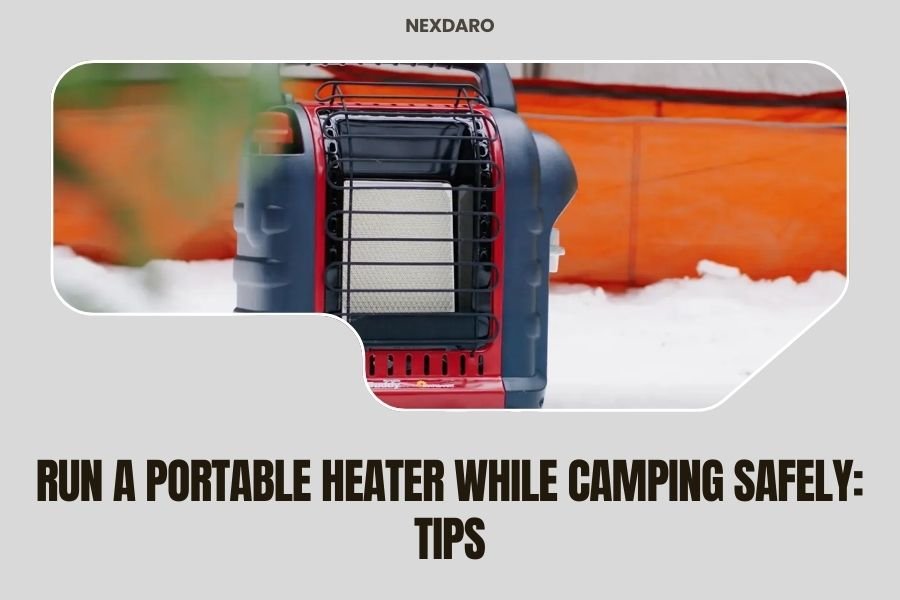
You can safely run a portable heater while camping by choosing the right heater type, ensuring proper ventilation, and maintaining safe distances from flammable materials.
Electric heaters powered by portable power stations are the safest option for tent camping, while propane heaters require outdoor use only due to carbon monoxide risks.
Safe Heater Types for Camping
Not all heaters work well for camping. Some can kill you, while others keep you warm and safe. Let me break down your options.
Electric Heaters: Your Safest Bet
Electric heaters paired with portable power stations offer the best safety for tent use. They don’t produce harmful gases or open flames.
Small ceramic heaters work great for tents. They heat up fast and shut off automatically if they tip over. Many draw 500-1500 watts, so check your power station capacity first.
Best Electric Heater Features
- Tip-over protection switches
- Overheat shut-off systems
- Low wattage options (500-750 watts)
- Compact size for easy transport
- Adjustable temperature settings
Propane Heaters: Outdoor Use Only
Propane heaters generate serious heat but create carbon monoxide. Never use them inside your tent or RV sleeping area.
You can use propane heaters around your campsite for cooking areas or open-air gathering spots. Keep them at least 10 feet from your tent.
Propane Heater Safety Rules
- Use only in well-ventilated outdoor areas
- Keep away from tent walls and fabric
- Turn off before sleeping
- Store propane tanks upright and secure
- Check connections for leaks regularly
Ventilation Requirements
Good airflow prevents dangerous gas buildup and reduces condensation. Even electric heaters need some ventilation.
Tent Ventilation Tips
Crack your tent vents slightly, even in cold weather. This prevents moisture buildup that makes you feel colder and creates mold problems.
I found that leaving a small gap at the top and bottom of your tent creates good air circulation. Cold air comes in low, warm air goes out high.
Signs of Poor Ventilation
- Condensation on tent walls
- Stuffy or stale air smell
- Headaches or dizziness
- Excessive humidity inside
Safe Placement Guidelines
Where you put your heater matters as much as which type you choose. Wrong placement can start fires or cause burns.
Distance Requirements
Keep heaters at least 3 feet from tent walls, sleeping bags, and clothing. Hot surfaces can melt synthetic materials instantly.
Place heaters on stable, level ground. Many camping accidents happen when heaters tip over onto soft ground or uneven surfaces.
What to Keep Away from Heaters
- Sleeping bags and blankets
- Backpacks and gear
- Camp chairs and tables
- Food and cooking supplies
- Fuel containers
Power Station Requirements
Your portable power station needs enough capacity to run your heater safely. Underpowered stations can overheat or shut down unexpectedly.
Calculating Power Needs
Most small electric heaters use 500-1500 watts. A 1000-watt heater running for 5 hours needs 5000 watt-hours of capacity.
I researched popular camping power stations and found most range from 300-3000 watt-hours. Pick one with at least double your heater’s hourly consumption.
Recommended Power Station Specs
| Heater Wattage | Minimum Power Station | Runtime Estimate |
|---|---|---|
| 500W | 1000Wh | 6-8 hours |
| 750W | 1500Wh | 6-7 hours |
| 1000W | 2000Wh | 6-7 hours |
| 1500W | 3000Wh | 6-7 hours |
Carbon Monoxide Prevention
Carbon monoxide kills silently. You can’t see it, smell it, or taste it. That’s why fuel-burning heaters stay outside your tent.
High-Risk Situations
Any heater that burns fuel creates carbon monoxide. This includes propane, kerosene, wood, and alcohol heaters.
Research from the CDC shows that camping-related carbon monoxide poisoning spikes during cold weather camping seasons.
Carbon Monoxide Symptoms
- Headache and dizziness
- Nausea and vomiting
- Weakness and confusion
- Chest pain
- Loss of consciousness
Detection and Prevention
Battery-powered carbon monoxide detectors designed for camping cost $20-40. They’re worth every penny for peace of mind.
If your detector goes off, get outside immediately. Turn off all fuel-burning devices and don’t go back inside until the air clears.
Fire Prevention Strategies
Tent fires spread incredibly fast. Synthetic tent materials melt and burn within seconds of contact with heat.
Creating a Safe Zone
Clear a 5-foot area around your heater of anything that can burn. This includes leaves, pine needles, paper, and fabric.
Keep a bucket of water or dirt nearby when using any heater. You want something to put out small fires instantly.
Fire Extinguisher Options
- Small ABC fire extinguisher (2-5 lbs)
- Fire blanket for smothering flames
- Sand or dirt in a bucket
- Water for cooling hot surfaces
Weather Considerations
Wind, rain, and snow change how safely you can use heaters. Outdoor conditions affect heater performance and safety.
Windy Conditions
Strong winds can blow tent fabric into heaters or tip lightweight units over. Secure everything properly and consider wind blocks.
Propane heaters struggle in high winds. The flames can blow out unexpectedly, leaving gas flowing without burning.
Wet Weather Challenges
Moisture and electricity don’t mix well. Keep electrical connections dry and elevated off wet ground.
Wet conditions also increase carbon monoxide risks because air doesn’t circulate as well around your campsite.
Emergency Preparedness
Smart campers plan for heater emergencies before they happen. Quick response saves lives and prevents major damage.
Emergency Action Plans
Know how to quickly shut off your heater and power source. Practice this at home so you can do it in the dark if needed.
Plan two escape routes from your tent. Fires can block your main entrance, so you need backup options.
Emergency Kit Essentials
- Battery-powered flashlight
- First aid supplies for burns
- Emergency whistle
- Cell phone with full battery
- Emergency contact numbers
Alternative Warming Methods
Sometimes heaters aren’t the best choice. Other warming methods might work better for your situation.
Passive Heating Solutions
Quality sleeping bags rated for cold weather eliminate heater needs for many campers. Look for bags rated 10-20 degrees below expected temperatures.
Hot water bottles filled with heated water work great for spot warming. They’re safe, silent, and last for hours.
Body Heat Conservation
Proper clothing layers trap body heat better than space heaters sometimes. Wool and synthetic materials work best for camping.
Shared body heat in double sleeping bags or multiple people in larger tents reduces heating needs significantly.
Conclusion
Running a portable heater while camping safely comes down to choosing the right type and following basic safety rules. Electric heaters powered by portable power stations give you the safest indoor heating option, while propane heaters work great for outdoor use only. Remember to maintain proper ventilation, keep safe distances from flammable materials, and always have emergency plans ready. Your camping comfort shouldn’t come at the cost of your safety, so take these precautions seriously and enjoy your warm outdoor adventures.
Can I use a propane heater inside my RV while sleeping?
No, never use propane heaters in enclosed sleeping areas. Even RVs with some ventilation can accumulate deadly carbon monoxide levels. Use electric heating or turn off propane heaters before bedtime.
How long will a 1000Wh power station run a 500W heater?
A 1000Wh power station will run a 500W heater for approximately 6-8 hours, depending on efficiency losses and power station condition. Cold weather reduces battery capacity, so expect shorter runtime in freezing temperatures.
What’s the minimum safe distance between my heater and tent wall?
Keep heaters at least 3 feet away from tent walls, but 4-5 feet is better for safety. Tent materials can melt or catch fire quickly when exposed to direct heat, even from electric heaters.
Do I need a carbon monoxide detector for electric heaters?
Electric heaters don’t produce carbon monoxide, but a detector is still wise if you’re camping near others using fuel-burning devices. Wind can carry dangerous gases from nearby campsites into your area.
Can I leave my electric heater running all night while camping?
Only if your heater has automatic shut-off features and your power station has enough capacity. Set the heater on low, ensure proper ventilation, and check your power levels before sleeping. Consider using a timer for added safety.