
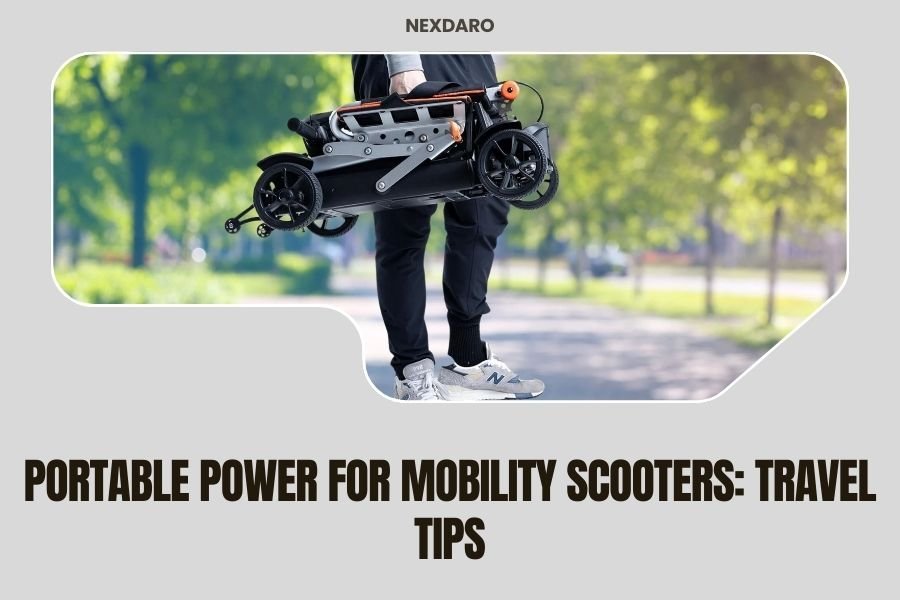
Portable power stations can run most mobility scooters for 4-8 hours, giving you freedom to travel without worrying about battery life.
Choose a power station with at least 500Wh capacity and the right charging ports for your specific mobility scooter model.
Why Your Mobility Scooter Needs Backup Power
Your mobility scooter is your ticket to independence. But what happens when you’re miles from home and the battery starts dying?
I found that many mobility scooter users avoid longer trips because they fear getting stranded. A portable power station changes everything. Think of it as a gas can for your electric scooter.
These compact devices store electricity and can recharge your scooter anywhere. No more cutting trips short or sticking close to charging outlets.
How Portable Power Stations Work with Mobility Scooters
Portable power stations are basically big batteries with multiple outlets. They store energy from wall plugs or solar panels, then release it when you need it.
Most mobility scooters use 12V or 24V systems. The power station converts its stored energy to match what your scooter needs.
Power Requirements for Different Scooter Types
Not all mobility scooters need the same amount of power. Lightweight travel scooters typically use less energy than heavy-duty models.
From what I read, most 3-wheel scooters need about 200-400 watts for charging. 4-wheel scooters often require 300-600 watts.
Travel Scooters (Under 100 lbs)
These compact models usually have smaller batteries. A 300Wh power station can often provide one full charge.
Mid-Size Scooters (100-200 lbs)
These need more juice. Look for power stations with 500-800Wh capacity for reliable backup power.
Heavy-Duty Scooters (Over 200 lbs)
Large scooters with big batteries need serious power. You’ll want 1000Wh or more for meaningful backup time.
Choosing the Right Power Station Size
Size matters when picking a power station. Too small and you’ll run out of juice. Too big and you’re carrying extra weight for no reason.
I researched typical mobility scooter battery sizes. Most range from 12Ah to 75Ah at 12V or 24V.
| Scooter Battery | Energy Needed | Recommended Power Station |
|---|---|---|
| 12V 12Ah | 144Wh | 300-400Wh |
| 24V 12Ah | 288Wh | 500-600Wh |
| 24V 20Ah | 480Wh | 800-1000Wh |
Account for Energy Loss
Power stations aren’t 100% efficient. You lose about 15-20% of energy during conversion and charging.
If your scooter battery holds 300Wh, get a power station with at least 400Wh. This gives you wiggle room and accounts for energy loss.
Essential Features to Look For
Not all power stations work well with mobility scooters. You need specific features to make travel smooth and worry-free.
Multiple Charging Options
Your power station should charge from wall outlets, car ports, and solar panels. This flexibility keeps you powered up anywhere.
Many experts say solar charging is perfect for camping trips or extended outdoor stays.
Right Output Ports
Check what charging port your scooter uses. Common types include barrel connectors, XLR ports, and standard AC outlets.
Some scooters only charge through their original wall charger. Make sure your power station has AC outlets for these models.
DC vs AC Charging
DC charging is more efficient but requires the right connector. AC charging works with any scooter but wastes more energy.
Weight and Portability
You’re already managing a mobility scooter. Don’t pick a power station that’s too heavy to move easily.
I found that power stations under 25 pounds work best for travel. Anything heavier becomes a burden.
Travel Planning with Portable Power
Smart planning makes the difference between a great trip and a stressful one. Know your limits and plan accordingly.
Calculate Your Range
Most mobility scooters go 15-30 miles per charge. Add your power station capacity and you can estimate total range.
If your scooter goes 20 miles and your power station provides one extra charge, you have about 40 miles of range.
Find Charging Opportunities
Hotels, restaurants, and visitor centers often let you plug in. Scout these locations along your route.
Many RV parks welcome mobility scooter users and provide easy access to power outlets.
Solar Charging on the Go
Solar panels can slowly recharge your power station during long stops. This extends your range even further.
A 100W solar panel needs about 6-8 hours of good sun to fully charge a 500Wh power station.
Airline Travel Considerations
Flying with power stations gets tricky. Airlines have strict rules about lithium batteries.
From what I read, most airlines allow power stations under 100Wh in carry-on bags. Larger units are often banned.
Shipping Your Power Station
Some travelers ship their power station to their destination. This avoids airline hassles but costs extra money and time.
Airport and Hotel Charging
Many airports now have charging stations for mobility devices. Hotels usually accommodate charging needs with advance notice.
Safety Tips for Power Station Use
Portable power stations are generally safe, but smart usage prevents problems.
Temperature Management
Don’t leave power stations in hot cars or direct sunlight. Heat damages batteries and reduces capacity.
Cold weather also affects performance. Keep your power station warm when possible.
Proper Storage
Store power stations with 50-80% charge for long-term health. Full discharge or constant full charge damages the battery.
Regular Maintenance
Use your power station at least once monthly. This keeps the battery healthy and ready for travel.
Real-World Travel Scenarios
Let’s look at how portable power stations work in common travel situations.
Theme Park Adventures
Theme parks are huge. Your scooter might run low after a full day of fun.
A portable power station lets you recharge during lunch or shows. Many parks allow you to plug in at restaurants.
Beach and Camping Trips
Beach access often requires longer rides from parking areas. Sandy terrain also drains batteries faster.
Camping puts you far from power outlets. A solar-rechargeable power station keeps you mobile for days.
City Exploration
Urban adventures cover lots of ground. Museums, shops, and restaurants spread across miles.
Your power station provides peace of mind for all-day exploration without range anxiety.
Cost Considerations
Portable power stations cost $200-1500 depending on capacity and features. Think of it as insurance for your independence.
Compare the cost to taxi rides or missed activities when your scooter dies. Most users find the investment pays off quickly.
Budget-Friendly Options
Smaller power stations around 300-500Wh cost $200-400. These work well for lightweight scooters and short trips.
Premium Features
High-end models offer faster charging, more ports, and longer life. They cost more upfront but last longer.
Conclusion
Portable power for mobility scooters opens up a world of travel possibilities. You’re no longer limited by battery range or charging station locations.
Choose a power station that matches your scooter’s needs and your travel style. Consider capacity, weight, charging options, and safety features.
Start with shorter trips to learn your system. Build confidence with your portable power setup before planning longer adventures.
Your mobility scooter already gives you freedom. A portable power station makes that freedom unlimited.
Can I use any portable power station with my mobility scooter?
Not all power stations work with every scooter. Check your scooter’s charging voltage, amperage, and connector type. Make sure the power station provides compatible outputs and enough capacity for at least one full charge.
How do I know if my power station is airplane-safe?
Airlines typically allow power stations under 100Wh in carry-on luggage. Larger units may be restricted or banned. Check with your specific airline before traveling, as rules change frequently and vary between carriers.
Will cold weather affect my portable power station’s performance?
Yes, lithium batteries in power stations lose capacity in cold temperatures. You might get 20-30% less runtime in freezing weather. Keep your power station warm when possible and expect shorter backup time in winter conditions.
Can I charge my power station while it’s powering my scooter?
Most quality power stations support pass-through charging, meaning they can charge while providing power. This feature is useful when you find an outlet but need to keep your scooter charged simultaneously.
How often should I replace my portable power station?
Most lithium power stations last 500-1000 charge cycles before losing significant capacity. With regular use, expect 3-5 years of reliable service. Replace when the station no longer holds enough charge to meet your mobility needs.
