
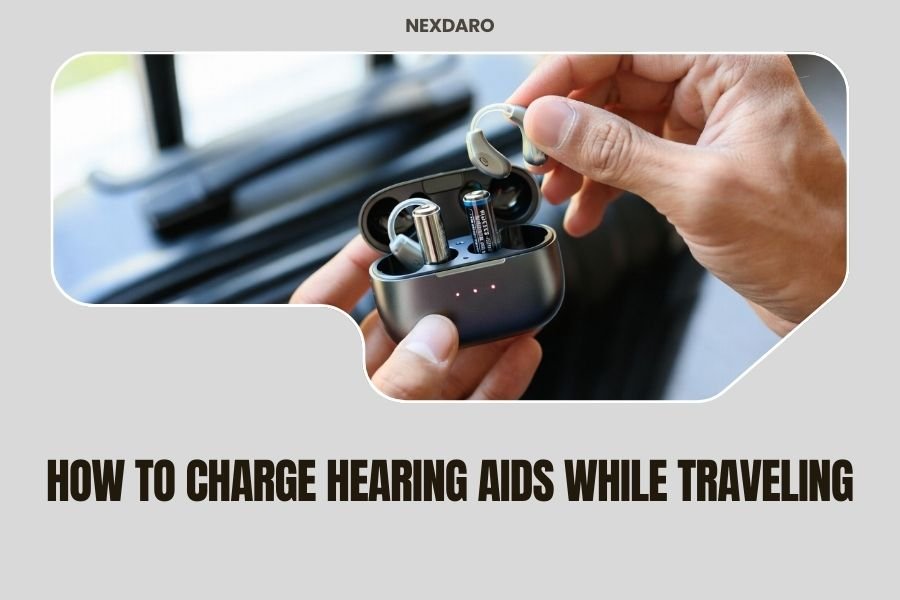
Charge hearing aids while traveling using portable power stations, USB charging cases, or car adapters to ensure continuous hearing support during trips.
Most modern hearing aids can be charged for 8-12 hours using a portable power station or travel charging case, making them perfect travel companions.
Why Hearing Aid Power Matters When You Travel
Dead hearing aids can turn your dream vacation into a communication nightmare. You miss airport announcements, struggle with hotel check-ins, and feel disconnected from travel companions.
I researched travel challenges faced by hearing aid users and found that power management ranks as the top concern. Unlike glasses, hearing aids need juice to work properly.
Your hearing aids typically last 16-24 hours on a full charge. But what happens when you’re on a 12-hour flight followed by ground transportation? That battery starts looking pretty slim.
Understanding Your Hearing Aid’s Power Needs
Rechargeable vs Disposable Battery Models
Rechargeable hearing aids use built-in lithium-ion batteries. You charge them in a docking station or case. These models make travel easier because you don’t need to carry spare batteries.
Disposable battery hearing aids use zinc-air batteries (sizes 10, 13, 312, or 675). These batteries can’t be recharged. Once dead, you toss them and insert new ones.
Power Consumption Factors
Your hearing aids drain power faster when you:
- Use Bluetooth streaming for music or calls
- Activate noise reduction in loud environments
- Increase volume settings
- Use them in extreme temperatures
Travel often involves all these scenarios. Airport noise, phone calls, temperature changes – your batteries work overtime.
Portable Power Stations for Hearing Aid Charging
What Makes a Good Travel Power Station
A quality portable power station should offer multiple USB ports, compact size, and enough capacity for several charging cycles. I found that stations with 10,000-20,000 mAh capacity work well for hearing aids.
Look for these features:
- TSA-approved for airline travel
- Multiple USB-A and USB-C ports
- LED power indicators
- Fast-charging capability
Capacity Planning for Your Trip
Hearing aid charging cases typically need 2-5 watts of power. A 20,000 mAh power station can charge your hearing aids 15-20 times before needing a recharge itself.
For a week-long trip, this gives you plenty of backup power. You charge your hearing aids nightly and top off the power station every few days.
Travel Charging Solutions by Situation
Airport and Flight Charging
Airports offer charging stations, but they’re often crowded and inconveniently located. Bring a portable power station to charge at your gate or during layovers.
Most airlines allow personal power banks under 100Wh (about 27,000 mAh) in carry-on luggage. Check with your airline before packing larger units.
Hotel and Accommodation Charging
Hotel rooms provide standard outlets, but international travel means different plug types. Pack a universal adapter with USB ports to charge both your power station and hearing aids directly.
Some hotels offer USB charging ports built into bedside tables or desk lamps. These work great for overnight hearing aid charging.
Car and Road Trip Charging
Car charging opens up more options. Use a 12V car adapter to power your hearing aid charging case directly, or charge your portable power station while driving.
Many newer cars have USB ports built into the dashboard or center console. These typically provide enough power for hearing aid charging cases.
Backup Power Strategies
The Two-Device Approach
I learned from audiologists that successful travelers often use a two-device strategy. They bring their regular charging case plus a backup power source.
This might be a second charging case, a portable power station, or even disposable batteries as emergency backup. Redundancy prevents total power failure.
Solar Charging Options
Solar power banks work well for outdoor adventures or extended camping trips. They charge slowly but provide unlimited power in sunny conditions.
Combine a solar panel with a regular power station. Charge the power station during the day, then use it to charge your hearing aids at night.
International Travel Considerations
Voltage and Plug Compatibility
Different countries use different electrical standards. The US uses 110V, while Europe uses 220V. Your hearing aid charger needs to handle both.
Most modern hearing aid chargers accept 100-240V automatically. Check your charger’s label to confirm. You’ll still need plug adapters for different socket shapes.
Customs and Security Issues
Airport security recognizes hearing aids and their chargers as medical devices. You can carry them through security without special documentation.
Declare larger power stations at security checkpoints. TSA guidelines allow power banks under specific capacity limits in carry-on bags only.
Emergency Charging Techniques
Using Computer USB Ports
Laptop computers provide USB power that works for hearing aid charging. Connect your charging case to a laptop’s USB port overnight.
This technique works in hotels, airports, or anywhere you can access a computer. Many business centers and lobbies offer computer access.
Smartphone Power Sharing
Some smartphones support reverse wireless charging. Place your hearing aid charging case on the phone’s back to transfer power wirelessly.
This method charges slowly but works as an emergency solution. Your phone battery drains quickly, so use this technique sparingly.
Maintenance Tips for Travel
Cleaning and Care
Travel exposes hearing aids to more dust, moisture, and temperature changes. Clean charging contacts weekly with a dry cloth or alcohol wipe.
Moisture can prevent proper charging. Use drying containers or silica gel packets if you encounter humid conditions.
Storage Best Practices
Store hearing aids in their charging case when not in use. This protects them and keeps them charged simultaneously.
Avoid extreme temperatures in cars or luggage compartments. Heat and cold reduce battery life and charging efficiency.
Troubleshooting Common Charging Problems
When Charging Cases Won’t Work
Charging cases can fail due to dead internal batteries, dirty contacts, or electronic malfunctions. Always bring a backup charging method.
Clean charging contacts with alcohol and cotton swabs. If the case still won’t charge, use direct USB charging if your hearing aids support it.
Power Station Compatibility Issues
Some charging cases are picky about power sources. They might not charge from certain USB ports or power stations.
Test your setup at home before traveling. Make sure your power station successfully charges your hearing aid case multiple times.
Cost-Effective Charging Solutions
Budget-Friendly Options
You don’t need expensive equipment for travel charging. A basic 10,000 mAh power bank costs $20-30 and handles hearing aid charging perfectly.
Universal car chargers with USB ports cost under $15. These let you charge hearing aids during road trips without buying dedicated equipment.
When to Invest in Premium Gear
Frequent travelers benefit from higher-capacity power stations with fast charging and multiple ports. These cost more but offer convenience and reliability.
Consider premium options if you take long trips, travel internationally, or need to charge multiple devices simultaneously.
| Charging Method | Cost Range | Best For | Pros | Cons |
|---|---|---|---|---|
| Basic Power Bank | $20-40 | Occasional travel | Affordable, compact | Limited capacity |
| Car Adapter | $10-25 | Road trips | Direct charging, cheap | Car-dependent |
| Solar Power Bank | $40-80 | Outdoor adventures | Unlimited sun power | Weather-dependent |
| High-Capacity Station | $100-200 | Extended travel | Multiple devices, fast charging | Expensive, heavier |
Conclusion
Charging hearing aids while traveling doesn’t have to stress you out. With the right portable power solution, you maintain clear hearing throughout your journey.
Start with a basic power bank for simple trips. Upgrade to larger capacity stations for extended travel or multiple devices. Always bring backup options and test your setup before leaving home.
Remember that different travel situations need different solutions. Flight travel calls for TSA-approved power banks, while road trips open up car charging options. International travel adds voltage and plug considerations.
The key is planning ahead and understanding your hearing aids’ specific power needs. With proper preparation, you’ll never miss important sounds during your travels.
Can I charge my hearing aids on an airplane?
Yes, you can charge hearing aids on most planes using a portable power bank or the aircraft’s USB ports if available. Make sure your power bank meets TSA size restrictions for carry-on luggage.
How long does a portable power station last for hearing aid charging?
A 20,000 mAh power station typically charges hearing aids 15-20 times before needing a recharge itself. This usually covers 1-2 weeks of travel depending on your charging frequency.
What should I do if my hearing aid charging case breaks while traveling?
Contact local hearing aid dealers or audiologists for emergency replacement cases. Some hearing aids can charge directly via USB cable as a temporary solution until you get a replacement case.
Are solar power banks reliable for hearing aid charging during camping trips?
Solar power banks work well as supplementary charging but shouldn’t be your only power source. They charge slowly and need direct sunlight. Bring a regular power bank as backup for cloudy days.
Do I need different charging equipment for international travel?
Most hearing aid chargers work with international voltages (100-240V), but you’ll need plug adapters for different socket shapes. A universal adapter with USB ports covers most charging needs worldwide.
