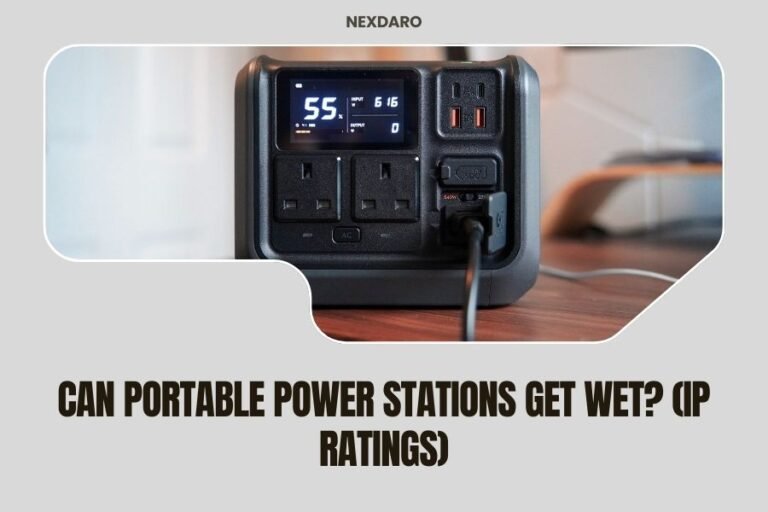
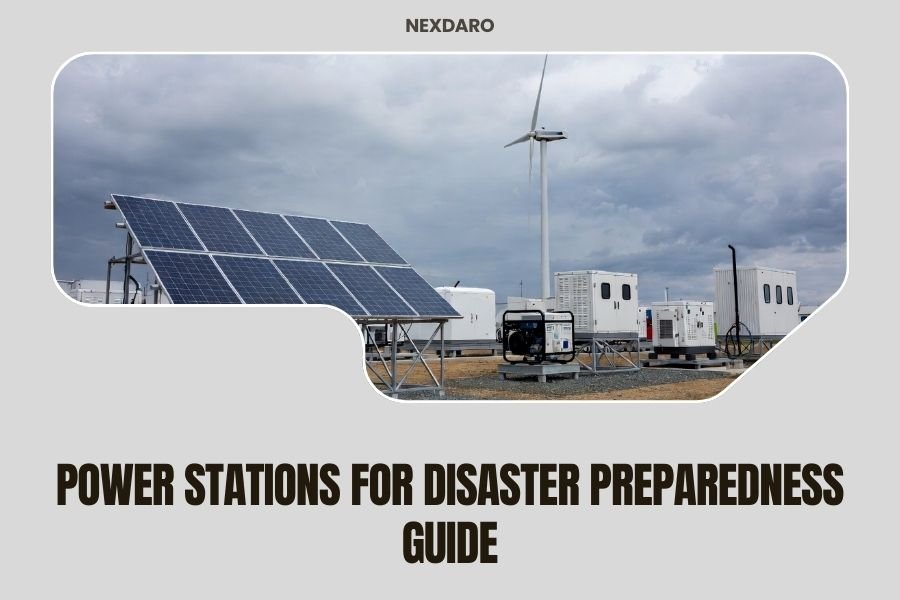
Power stations for disaster preparedness should provide backup electricity for 3-7 days, with at least 1000Wh capacity to run essential devices like phones, radios, and medical equipment during emergencies.
The best disaster-ready power stations include solar charging capability, multiple output ports, and rugged construction that can handle extreme weather conditions and frequent use.
Why You Need a Power Station for Emergencies
When the lights go out, your phone dies, and the fridge stops running, you need backup power fast. Natural disasters can knock out electricity for days or weeks.
I researched emergency preparedness data from FEMA and found that the average power outage during major disasters lasts 3-5 days. Some areas go without electricity for weeks.
Regular generators are loud, produce toxic fumes, and need gasoline that might be hard to find. Power stations run silently and safely indoors.
What Makes Power Stations Perfect for Disasters
You can store a power station anywhere in your home. No assembly required when disaster strikes. Just plug in your devices and you’re ready.
They charge from wall outlets, car chargers, or solar panels. This gives you multiple backup options when the grid fails.
Essential Features for Emergency Power Stations
Not all power stations work well in disasters. You need specific features that handle emergency situations.
Battery Capacity That Actually Matters
Small 200Wh units barely keep your phone alive for two days. For real disaster preparedness, you need at least 1000Wh capacity.
Here’s what different capacities can power:
- 500Wh: Phones and small devices for 2-3 days
- 1000Wh: Essential electronics for 3-5 days
- 1500Wh+: Refrigerator, medical devices, and communications for a week
How to Calculate Your Emergency Power Needs
Add up the watts of devices you must keep running. Multiply by hours of daily use. That’s your daily power requirement.
For example: LED lights (50W × 6 hours) + phone charging (20W × 3 hours) + radio (10W × 8 hours) = 440Wh per day.
Solar Charging Capability
Wall charging won’t help when the power grid is down for weeks. Solar panels let you recharge your power station indefinitely.
Look for stations that accept at least 100W solar input. Higher input means faster charging from solar panels.
Portable vs Fixed Solar Setups
Portable solar panels fold up and store easily. You can move them to follow the sun or bring them indoors during storms.
Fixed roof panels generate more power but might get damaged in severe weather. Portable panels offer more flexibility for disasters.
Output Options You Actually Need
During emergencies, you’ll need to power multiple devices at once. Your power station should have enough outlets for everything.
AC Outlets for Household Devices
You need at least 2 AC outlets. This lets you run a refrigerator and charge laptops simultaneously.
Pure sine wave output protects sensitive electronics like medical equipment and modern appliances.
USB Ports for Modern Devices
USB-A ports charge older phones and tablets. USB-C ports handle newer devices and can charge laptops.
Fast charging USB ports save precious battery power by charging devices quicker.
DC Outputs for Special Equipment
12V DC outlets power car accessories, emergency radios, and some medical devices. These use less power than AC outlets.
Durability Requirements for Disaster Conditions
Disasters bring extreme conditions. Your power station needs to handle heat, cold, moisture, and rough handling.
Temperature Tolerance
Lithium batteries lose capacity in extreme cold and can overheat in high temperatures. Look for units rated for -10°F to 140°F operation.
I found that LiFePO4 batteries handle temperature extremes better than standard lithium-ion cells.
Water and Dust Resistance
Disasters often involve flooding, dust storms, or heavy rain. IP54 rating protects against splashing water and dust.
Some units come with protective cases for outdoor use during recovery efforts.
Best Power Station Sizes for Different Emergencies
Your emergency power needs depend on your living situation and the types of disasters you might face.
| Household Size | Recommended Capacity | Runtime | Can Power |
|---|---|---|---|
| 1-2 People | 1000-1500Wh | 3-5 Days | Phones, lights, small fridge |
| 3-4 People | 1500-2000Wh | 4-6 Days | Multiple devices, appliances |
| 5+ People | 2000Wh+ | 5-8 Days | Full household essentials |
Apartment Dwellers
You can’t use gas generators in apartments. Power stations provide your only backup power option.
Focus on keeping communications, lighting, and food preservation working. A 1000-1500Wh unit handles these needs well.
Rural Properties
Rural areas often face longer power outages. You might need to run well pumps, gate openers, or livestock equipment.
Larger 2000Wh+ units or multiple smaller units give you more flexibility and longer runtime.
Medical Equipment Considerations
CPAP machines, oxygen concentrators, and medication refrigeration can’t wait for power restoration. Calculate their daily power needs first.
Keep backup batteries or a second power station dedicated to medical equipment only.
Storage and Maintenance Tips
Your power station won’t help if it’s dead when disaster strikes. Proper storage keeps it ready for emergencies.
Battery Maintenance Schedule
Charge your power station to 80% every 3 months. This prevents battery degradation from sitting unused.
Store it in a cool, dry place away from direct sunlight. Basements and closets work well if they stay dry.
Regular Testing Protocol
Test your power station monthly by running your essential devices for 30 minutes. This confirms everything works properly.
Check that solar panels, charging cables, and adapters are in good condition. Replace worn items before you need them.
Emergency Kit Integration
Keep your power station with other emergency supplies. Store extra charging cables, adapters, and solar panels together.
Write down device power requirements and runtime estimates. You won’t want to calculate this during a stressful emergency.
Cost vs Value for Emergency Preparedness
Power stations cost more upfront than generators, but they provide better value for emergency preparedness.
Long-term Savings
No fuel costs, minimal maintenance, and 10+ year lifespan make power stations cheaper over time.
They also serve as daily backup power for work-from-home setups and outdoor activities.
Insurance Against Food Loss
Running your refrigerator for just 6 hours daily can save hundreds of dollars in spoiled food during extended outages.
Many homeowner’s insurance policies don’t cover food spoilage from power outages.
Common Mistakes to Avoid
I researched disaster preparedness forums and found the same mistakes keep happening.
Buying Too Small
People underestimate their power needs. A tiny 300Wh unit won’t help much in a real emergency.
Buy bigger than you think you need. You can always use less power, but you can’t create more.
Forgetting About Surge Power
Refrigerators and power tools need 2-3 times their running watts to start up. Check surge power ratings, not just continuous power.
No Solar Backup Plan
Without solar charging, your power station becomes a large, expensive battery that dies once.
Buy solar panels when you buy your power station. You might not find them easily during disaster recovery.
Conclusion
Power stations give you reliable, safe backup power when disasters strike. Choose units with at least 1000Wh capacity, solar charging capability, and enough outlets for your essential devices.
Don’t wait until storms are forecast to buy emergency power equipment. Stock up now, maintain your equipment regularly, and test everything monthly. Your family’s safety and comfort during the next disaster depends on the preparation you do today.
What size power station do I need for a family of four during a week-long outage?
A family of four typically needs 1500-2000Wh capacity for essential devices like phones, lights, a small refrigerator, and medical equipment during a week-long emergency, plus solar panels for daily recharging.
Can power stations safely run indoors during disasters?
Yes, power stations run completely safely indoors with no emissions, noise, or ventilation requirements, unlike gas generators which produce deadly carbon monoxide and must stay outside.
How often should I charge my emergency power station when not in use?
Charge your power station to 80% every 3 months and store it in a cool, dry location to prevent battery degradation and ensure it’s ready for emergencies.
Do power stations work in freezing weather during winter storms?
Most power stations work in freezing weather but lose some capacity, while LiFePO4 batteries perform better than standard lithium-ion in extreme cold, typically operating from -10°F to 140°F.
What’s the difference between pure sine wave and modified sine wave power stations for emergencies?
Pure sine wave power stations safely run sensitive electronics like medical equipment, modern appliances, and computers, while modified sine wave units may damage these devices and should be avoided for emergency preparedness.