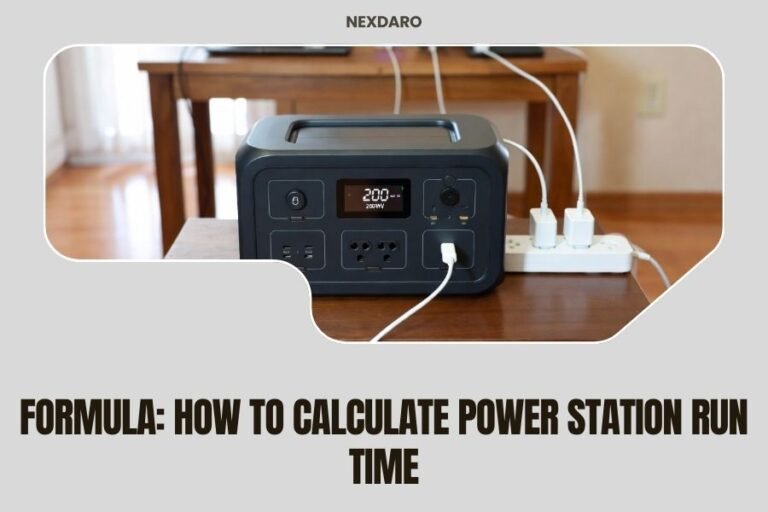
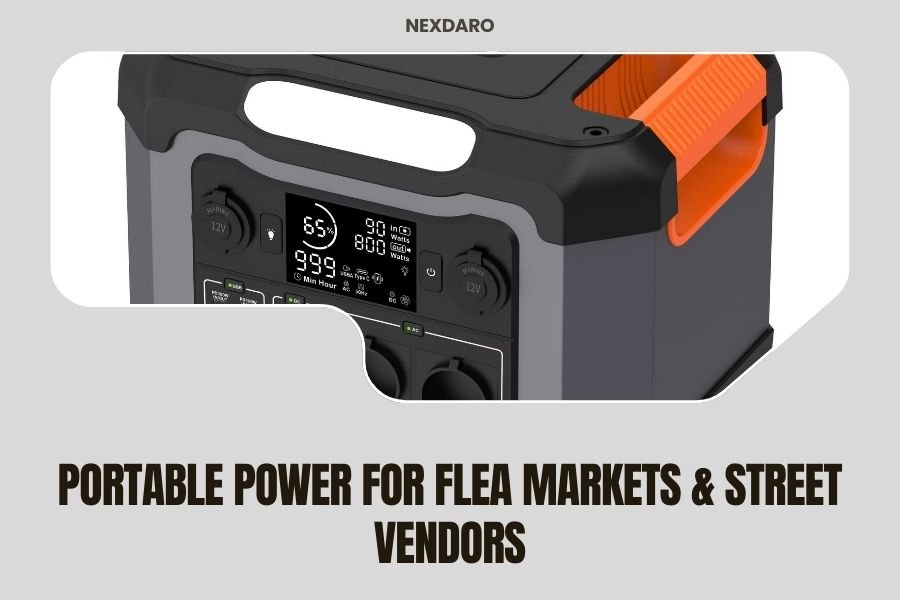
Portable power stations are battery-powered units that provide electricity for flea market vendors and street sellers who need to run equipment without access to outlets.
These devices typically offer 500-3000 watt-hours of capacity and can power cash registers, lighting, fans, and small appliances for 6-12 hours depending on usage.
Running a flea market booth or street vending business without reliable power feels like trying to cook dinner with one hand tied behind your back. You need electricity for your cash register, card readers, lighting, and maybe even a small fridge or fan.
But here’s the thing – most outdoor markets don’t provide power outlets. Even when they do, you might end up far from the nearest connection. That’s where portable power stations come in to save your business day.
What Makes Portable Power Stations Perfect for Vendors
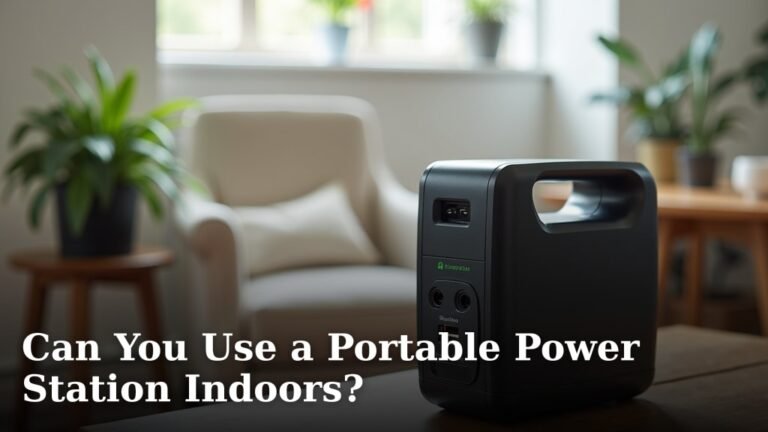
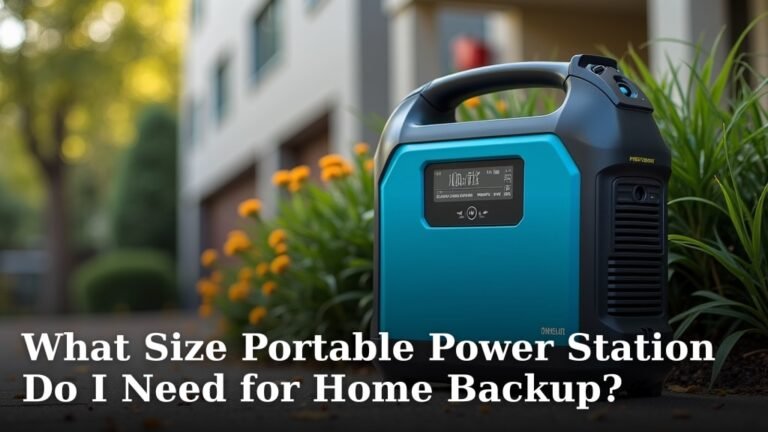
Think of a portable power station as a giant rechargeable battery with multiple outlets. You charge it at home, bring it to your booth, and plug in your equipment just like you would at home.
I found that most vendors need between 500 to 1500 watt-hours for a typical 8-hour market day. That’s enough to run a tablet-based cash register, LED lights, a small fan, and charge your phone several times.
Key Benefits for Market Vendors
You get complete energy independence. No hunting for outlets or paying extra fees for electrical hookups. Your booth can be anywhere the market allows.
The units are quiet – unlike gas generators that annoy customers and neighbors. You won’t wake up the baby in the stroller or make people shout over engine noise.
Setup takes about 30 seconds. Just set it down and start plugging things in. No fuel, no pull cords, no maintenance headaches.
How Much Power Do You Actually Need
Let me break this down in simple terms. Most vendor equipment uses way less power than you think.
Low Power Devices (Under 50 Watts)
- Smartphone or tablet cash registers: 10-25 watts
- LED string lights: 15-30 watts
- Phone chargers: 5-15 watts
- Small Bluetooth speakers: 10-20 watts
Medium Power Devices (50-200 Watts)
- Laptop computers: 65-85 watts
- Small fans: 75-150 watts
- Cash register printers: 50-100 watts
- LED flood lights: 100-150 watts
Higher Power Devices (200+ Watts)
- Small coolers: 300-600 watts
- Hot plates or warmers: 500-1500 watts
- Coffee makers: 800-1200 watts
- Blenders: 300-800 watts
Research from energy usage studies shows that most flea market vendors use between 200-500 watts at any given time. That means a 1000 watt-hour power station gives you 2-5 hours of runtime.
Choosing the Right Size Power Station
Here’s how I recommend thinking about sizing. Add up the watts of everything you’ll run at the same time. Then multiply by the hours you’ll be at the market.
Small Setups (500-1000Wh)
Perfect if you only need basic electronics. Think tablet register, phone charging, and some LED lights. These units weigh 15-30 pounds and cost $300-600.
You’ll get 8-12 hours of power for low-draw items like phones and tablets. Great for jewelry vendors, craft sellers, or book dealers.
Medium Setups (1000-2000Wh)
This sweet spot works for most vendors. You can run a laptop, printer, lights, fan, and charge devices all day. Weight ranges from 30-50 pounds with prices around $600-1200.
Food vendors often choose this size to power warmers, small coolers, or prep equipment that doesn’t require high heat.
Large Setups (2000Wh+)
These handle serious power needs like multiple appliances, large coolers, or cooking equipment. They weigh 50+ pounds and cost $1200-3000.
Consider this size if you’re running a mini restaurant setup or need backup power for critical refrigeration.
Essential Features to Look For
Not all portable power stations work the same. Some features make a huge difference in vendor situations.
Multiple Output Types
You want AC outlets (regular plugs), USB ports, and ideally a 12V car outlet. This lets you power different types of equipment without adapters.
Look for at least 4 AC outlets and 4 USB ports. Trust me – you’ll use them all.
Pure Sine Wave Output
This technical term matters if you’re running sensitive electronics like tablets or laptops. Pure sine wave power won’t damage your equipment or cause weird glitches.
Most quality units include this feature, but cheap models might not. Always check the specs.
Fast Charging Capability
Some power stations take 12+ hours to recharge at home. Others can fully charge in 2-4 hours. Fast charging means you can top up between market days or even during lunch breaks.
Built-in LED Light
Many units include bright LED panels or flashlights. Super handy for early morning setup or evening breakdown when market lighting is poor.
Real-World Usage Tips
I’ve heard from many vendors who made rookie mistakes with their first power station. Learn from their experience.
Pre-Market Preparation
Always charge your unit to 100% the night before. Check the charge level display before leaving home. Nothing ruins a sales day like discovering a dead battery at 6 AM.
Keep a simple extension cord in your gear. It lets you position the power station safely under your table while running equipment on top.
During Market Hours
Monitor your battery level throughout the day. Most units show remaining charge on a digital display. Plan your power usage so critical items like cash registers stay powered all day.
Turn off equipment when you’re not actively using it. That fan doesn’t need to run when you’re away from the booth. Those decorative lights can go off during slow periods.
Extending Runtime
Use LED lights instead of incandescent bulbs. They use 80% less power and last much longer.
Consider a small solar panel for sunny markets. Even a 100-watt panel can extend your runtime by several hours.
Safety and Maintenance
Portable power stations are generally very safe, but a few precautions keep you and your customers protected.
Weather Protection
Keep your power station dry. Most units aren’t waterproof, so position them under your table or use a plastic tub as a rain shield.
Avoid extreme temperatures. Don’t leave the unit in a hot car or freezing truck overnight. Temperature extremes reduce battery life.
Regular Maintenance
Charge your power station at least once every 3 months, even if you’re not using it. Lithium batteries need regular cycling to stay healthy.
Clean the vents occasionally with compressed air. Dust buildup can cause overheating during heavy use.
Cost Considerations
A quality portable power station is a business investment. Think about it like buying a cash register or display case – it pays for itself over time.
Calculate Your Return on Investment
Compare the cost of electrical hookup fees at markets. Many charge $25-50 per day for power access. A $800 power station pays for itself after 16-32 market days.
Factor in the flexibility value. You can set up at markets without electrical infrastructure, potentially accessing better locations or lower-cost venues.
Budget-Friendly Options
Entry-level units around $300-400 work fine for basic needs. You don’t need to spend $2000 unless you’re running high-power equipment.
Consider buying used from other vendors who upgraded. Portable power stations hold their value well if properly maintained.
Common Vendor Applications
Different types of vendors have different power needs. Here’s what I found works best for each category.
Food Vendors
Focus on units with high surge capacity for equipment motors. Food warmers, small coolers, and blenders all need extra power when starting up.
A 1500-2000Wh unit typically handles most food prep equipment except full-size cooking appliances.
Craft and Art Vendors
You usually need less capacity but more convenience features. Multiple USB ports for phone charging, LED lights for display illumination, and maybe power for a small fan.
A 500-1000Wh unit covers most craft vendor needs perfectly.
Electronics and Repair Vendors
Pure sine wave output becomes critical here. You’re powering sensitive test equipment, soldering irons, or demonstration devices that require clean electricity.
Look for units specifically rated for electronics use, even if they cost slightly more.
Jewelry and Small Items
Lighting is your biggest power draw. Good illumination makes your products look more attractive and helps customers see details clearly.
LED strip lights or small spotlights powered by a modest power station can transform your display quality.
Clothing and Textiles
Consider a small steam iron for wrinkle removal, plus lighting and basic electronics. A mid-range power station handles these needs easily.
Seasonal Considerations
Your power needs change with the weather and seasons. Summer markets often require fans for customer comfort. Winter markets might need small heaters or extra lighting during shorter days.
Hot Weather Strategy
Fans use significant power but keep customers comfortable at your booth longer. Position fans to create airflow without blowing lightweight products around.
Battery performance drops in extreme heat. Keep your power station in shade and ensure good ventilation around the cooling vents.
Cold Weather Adaptations
Lithium batteries lose capacity in cold temperatures. Your power station might provide 20-30% less runtime when it’s below freezing.
Let the unit warm up to room temperature before heavy use. Store it inside your vehicle or heated space when possible.
Conclusion
Portable power stations give flea market and street vendors the freedom to set up anywhere while running professional-quality equipment. You don’t need to hunt for electrical outlets or pay premium fees for powered spaces.
Start by calculating your actual power needs, then choose a unit with 20-30% more capacity for safety margin. Focus on quality brands with pure sine wave output and good warranty coverage.
The upfront investment pays for itself quickly through electrical fee savings and access to better market locations. Your business becomes more flexible, professional, and profitable with reliable portable power.
What’s the difference between a portable power station and a generator?
Portable power stations use rechargeable batteries and run silently, while generators burn fuel and make noise. Power stations work better in crowded markets where noise restrictions apply and customers prefer quiet shopping environments.
How long does it take to recharge a portable power station?
Recharge times vary from 2-12 hours depending on battery size and charging method. Wall outlet charging is fastest, while car charging takes longer. Some units support fast charging that can reach 80% capacity in under 3 hours.
Can I use a portable power station while it’s charging?
Most modern power stations support pass-through charging, meaning you can use them while plugged in. This feature lets you extend runtime indefinitely if you have access to an outlet partway through your market day.
What happens if my power station runs out of battery during a busy sales period?
Many vendors carry backup battery banks for phones and tablets, or bring two smaller power stations instead of one large unit. You can also prioritize critical equipment like cash registers over comfort items like fans when battery runs low.
Are portable power stations worth it for weekend-only vendors?
Yes, especially if you attend markets without electrical hookups or want flexibility in booth placement. Even weekend vendors typically recover their investment within one season through electrical fee savings and access to more market opportunities.