
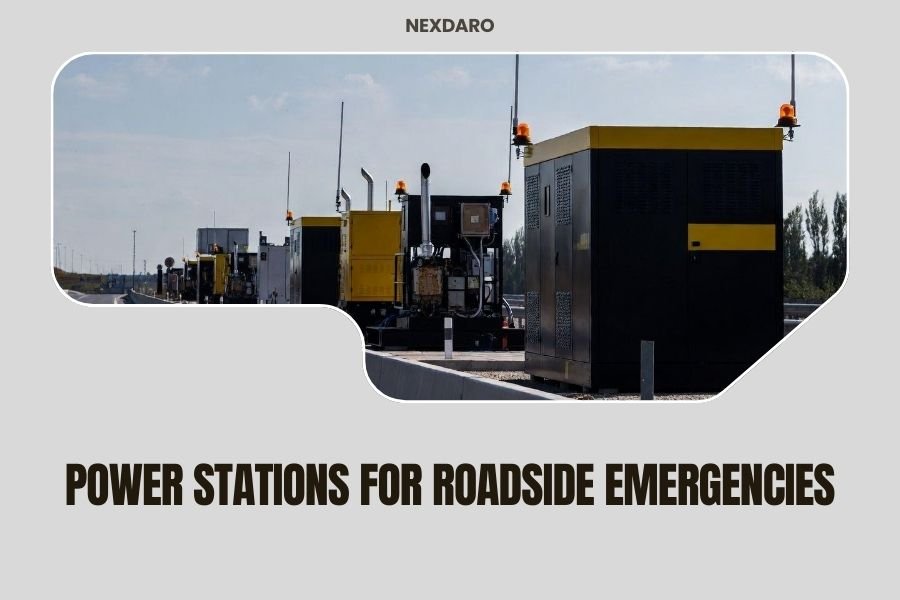
Power stations for roadside emergencies provide instant backup electricity when your car battery dies, giving you power for jump-starting, phone charging, and emergency lighting.
The best roadside emergency power stations typically offer 300-1000Wh capacity with multiple output options including 12V DC, USB ports, and AC outlets for maximum versatility.
Why You Need Emergency Power on the Road
Picture this: you’re driving home late at night when your car suddenly stops. Your phone battery is at 5%, and you’re miles from the nearest gas station. This scenario happens to millions of drivers every year.
Dead car batteries cause about 40% of roadside assistance calls, according to AAA data. But a portable power station transforms this stressful situation into a minor inconvenience.
These compact devices work like giant phone chargers for your car and other essentials. They store electricity you can use anywhere, anytime.
Essential Features for Roadside Power Stations
Jump-Starting Capability
Your power station should handle jump-starting without needing another car. Look for units with at least 400-600 peak amps for most vehicles.
I found that many compact units work great for standard cars but struggle with trucks or SUVs. Check your engine size before buying.
Multiple Charging Ports
Emergency situations demand flexibility. You want these connection types:
- USB-A ports for phones and tablets
- USB-C for newer devices and faster charging
- 12V DC outlet for car accessories
- AC outlets for laptops or small appliances
Built-in LED Lighting
Many power stations include flashlights or emergency beacons. These features prove invaluable during nighttime breakdowns.
Some models offer SOS signals and red warning lights to alert other drivers.
Battery Capacity: How Much Power Do You Need?
Small Emergencies (150-300Wh)
These units handle basic needs like phone charging and small jump-starts. They’re lightweight and affordable but limited in scope.
Perfect for short trips or backup to your main emergency kit.
Medium Emergencies (300-600Wh)
This sweet spot covers most roadside situations. You can jump-start multiple times, charge several devices, and run small appliances for hours.
Most experts recommend this range for regular drivers who take occasional long trips.
Extended Emergencies (600Wh+)
Large capacity units support extended roadside stays or severe weather situations. They power laptops, small refrigerators, and medical devices.
Consider these if you frequently drive remote areas or have family members with special needs.
Safety Features That Matter
Battery Management Systems
Quality units include protection against overcharging, overheating, and short circuits. These systems prevent dangerous situations and extend battery life.
Look for certifications like UL or FCC approval. These indicate proper safety testing.
Temperature Tolerance
Your power station sits in hot cars and cold trunks. Choose units rated for extreme temperatures in your climate.
Lithium iron phosphate batteries typically handle temperature swings better than standard lithium-ion.
Spark-Proof Clamps
Jump-starting creates sparks near your car’s electrical system. Smart clamps prevent connections when polarity is wrong.
This feature alone prevents countless accidents and equipment damage.
Top Power Station Types for Different Drivers
Daily Commuters
You drive predictable routes and stay near populated areas. A compact 300Wh unit handles most emergencies without taking trunk space.
Focus on fast charging and multiple USB ports for family devices.
Road Trip Enthusiasts
Long drives through varied terrain demand more power and features. Consider 600Wh+ units with solar charging capability.
AC outlets let you power laptops, small coolers, or medical equipment during extended stops.
Off-Road Adventurers
Remote locations require maximum reliability and power. Heavy-duty units with rugged construction and massive capacity serve best.
Look for units that handle vibration, dust, and moisture typical in off-road conditions.
How to Use Your Power Station in Emergencies
Jump-Starting Your Car
First, make sure your power station has sufficient charge. Most units need at least 50% capacity for jump-starting.
Connect positive to positive, negative to negative. Many units beep or flash lights to confirm proper connections.
Start your car immediately after connecting. Don’t leave clamps attached longer than necessary.
Emergency Communication
Keep your phone charged to call for help or navigate to safety. A 300Wh power station typically charges smartphones 15-25 times.
Download offline maps before trips. They use less battery than cellular navigation when you’re lost.
Lighting and Visibility
Use built-in lights for roadside repairs or finding items in your car. Many units offer adjustable brightness to conserve power.
Red flashing modes help other drivers see you during nighttime emergencies.
Maintenance and Preparation Tips
Regular Charging Schedule
Check your power station monthly and recharge if it drops below 50%. Lithium batteries lose capacity when stored empty.
I found that setting phone reminders helps maintain this routine without stress.
Temperature Storage
Extreme heat and cold reduce battery life and performance. Store units in climate-controlled spaces when possible.
If you must keep them in vehicles, choose shaded spots and insulated cases.
Accessory Organization
Keep charging cables, jump clamps, and adapters together in a clear bag. Emergency situations aren’t the time to hunt for missing pieces.
Label everything clearly and check connections periodically for corrosion or damage.
Budget Considerations and Value
Entry-Level Options ($50-150)
Basic units handle phone charging and small jump-starts. They lack advanced features but provide essential emergency power.
Good choice for budget-conscious drivers who rarely travel far from home.
Mid-Range Solutions ($150-400)
These units balance features, capacity, and price effectively. Most drivers find everything they need in this range.
Research shows mid-range units offer the best reliability and customer satisfaction scores.
Premium Models ($400+)
High-end units provide maximum capacity, advanced features, and superior build quality. They’re investments for serious travelers.
Consider premium options if you regularly drive remote areas or have specialized power needs.
Common Mistakes to Avoid
Buying Too Small
Underestimating your power needs leaves you stranded when emergencies exceed your unit’s capacity. It’s better to have extra power you don’t use.
Ignoring Weight
Massive power stations help at campsites but become burdens during roadside emergencies. Balance capacity with portability for your situation.
Forgetting About Cables
The best power station becomes useless without proper cables and adapters. Verify you have everything needed before emergencies strike.
Alternative Emergency Power Solutions
Traditional Jump Starters
Dedicated jump starters cost less and work reliably for starting cars. But they can’t power other devices or provide extended emergency support.
Solar Chargers
Solar panels work great in sunny conditions but fail during storms or at night when you often need power most.
They work best combined with power stations rather than replacing them.
Conclusion
Power stations for roadside emergencies transform scary situations into manageable inconveniences. They jump-start your car, charge essential devices, and provide lighting when you need it most.
Choose capacity based on your driving habits and emergency scenarios you might face. A 300-600Wh unit handles most situations while remaining portable and affordable.
Remember that the best power station is one that’s properly maintained and ready when emergencies strike. Check yours monthly, keep it charged, and store accessories together for quick access.
What’s the minimum power needed to jump-start most cars?
Most standard vehicles need 400-600 peak amps for successful jump-starting. Larger trucks and SUVs may require 800+ amps, so check your engine specifications before purchasing a power station.
How long do power stations hold their charge when stored?
Quality lithium power stations typically retain 80-90% charge after 3-6 months of storage. Check and recharge every 2-3 months to maintain optimal battery health and emergency readiness.
Can I leave a power station in my car year-round?
Extended exposure to extreme temperatures reduces battery life and performance. If you must store in vehicles, use insulated cases and avoid direct sunlight. Garage storage works better for longevity.
Are solar panels worth adding to emergency power stations?
Solar panels provide excellent backup charging during extended emergencies or camping. But they won’t help during nighttime breakdowns or stormy weather when you most need emergency power.
What other emergency supplies work well with power stations?
Complement your power station with emergency blankets, first aid supplies, water, non-perishable food, and basic tools. Together they create a complete roadside emergency kit for various situations.
