
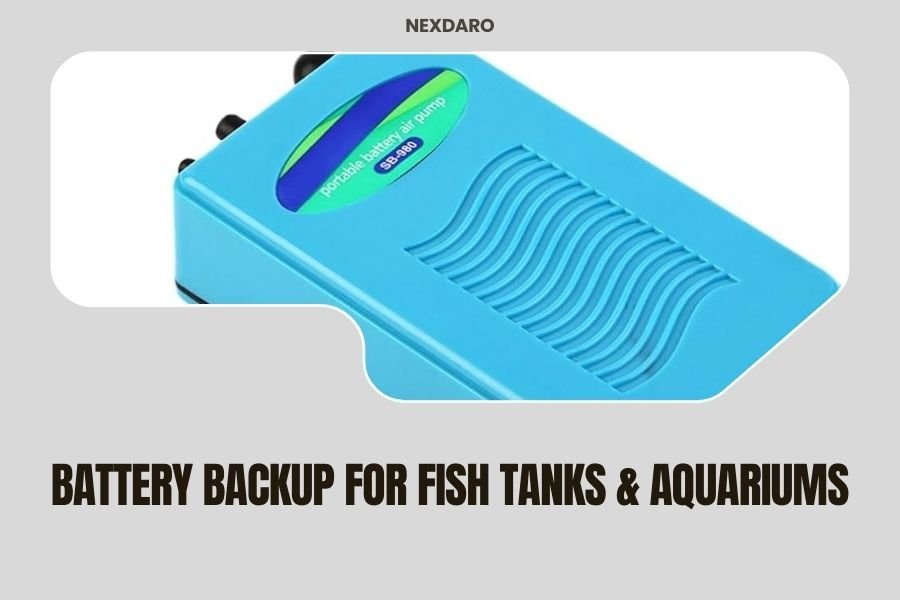
Battery backup for fish tanks can keep your aquarium running for 4-12 hours during power outages, protecting your fish from oxygen depletion and temperature drops.
Portable power stations rated 300-1000 watts work best for most home aquariums, powering essential equipment like filters, pumps, and heaters safely.
Why Your Aquarium Needs Battery Backup
Your fish depend on constant power more than you might think. When the lights go out, your aquarium’s life support systems stop working. No filter means no oxygen. No heater means dropping temperatures. No circulation means toxic buildup.
I found that fish can start showing stress signs within just 2-4 hours of equipment failure. Sensitive species like marine fish or tropical varieties face even higher risks. That’s why smart aquarium owners plan ahead.
What Happens During Power Outages
Power outages create multiple problems at once. Your filter stops cleaning the water. The heater can’t maintain temperature. Air pumps quit providing oxygen. Water circulation stops completely.
Research shows that oxygen levels drop fastest in heavily stocked tanks. Temperature changes happen slower but can still harm fish within 6-8 hours, especially in winter.
Critical Time Windows
You have different time limits based on your setup:
- Heavily stocked tanks: 2-4 hours before oxygen problems
- Tropical fish: 6-8 hours before temperature issues
- Marine tanks: 1-3 hours due to higher oxygen needs
- Cold water fish: 12+ hours (more resilient)
Types of Battery Backup Solutions
You have several options for keeping your tank running. Each works differently and fits different budgets and needs.
Portable Power Stations
These are like giant phone chargers for your aquarium. They store lots of power and can run multiple devices. Most use lithium batteries and include regular AC outlets.
I researched popular models and found they typically provide 300-2000 watts of power. That’s enough for most home aquariums, including filters, heaters, and lights.
Key Benefits
- Powers multiple devices at once
- Long runtime (4-24+ hours)
- Easy to use – just plug in
- Works for other emergencies too
UPS Battery Systems
Uninterruptible Power Supply units switch on instantly when power cuts out. They’re designed for computers but work great for aquariums too.
The downside? Most UPS systems only run for 1-3 hours. They’re better for short outages or buying time to set up other backup power.
Best UPS Features for Aquariums
- Pure sine wave output (safer for pumps)
- Multiple outlets
- 1500+ VA rating for decent runtime
- Replaceable batteries
Car Battery Inverters
You can connect a power inverter to a car battery for emergency aquarium power. This option costs less but requires more setup work.
Safety warning: only do this with proper ventilation and marine-grade batteries designed for indoor use. Car batteries produce dangerous gases.
Choosing the Right Power Station Size
Getting the right size means calculating your aquarium’s power needs first. Too small won’t run everything. Too big wastes money.
Calculate Your Power Needs
Add up the watts for each device you want to backup. Check the labels or manuals for exact numbers. Here’s what typical equipment uses:
| Equipment | Typical Power Usage |
|---|---|
| Canister Filter | 15-45 watts |
| Aquarium Heater | 50-300 watts |
| Air Pump | 5-15 watts |
| LED Lights | 20-100 watts |
| Powerhead | 10-40 watts |
Sample Calculations
Let’s say you have a 75-gallon tank with these devices:
- Canister filter: 35 watts
- Heater: 150 watts
- Air pump: 8 watts
- LED light: 60 watts
Total: 253 watts. You’d want a power station rated for at least 300-400 watts to run everything safely.
Runtime Expectations
Battery capacity gets measured in watt-hours (Wh). Divide the capacity by your power usage to estimate runtime.
Example: A 500Wh power station running 250 watts of equipment = 2 hours of runtime. Double the battery size to 1000Wh = 4 hours runtime.
Realistic Runtime Planning
Don’t expect to get 100% of the advertised capacity. Real-world conditions reduce actual runtime by 10-20%. Plan accordingly when sizing your backup system.
Essential vs Non-Essential Equipment
Smart backup planning means prioritizing what matters most. You don’t need to power everything during an outage.
Must-Have Equipment
These devices keep fish alive during outages:
- Water circulation (filter or powerhead)
- Aeration (air pump or surface agitation)
- Heating (in cold weather)
Everything else can wait until power returns. Lights, CO2 systems, and automatic feeders are nice but not life-critical.
Priority System Setup
Connect your most important equipment to the battery backup first. If you have extra capacity, add secondary equipment. This approach maximizes your fish’s survival chances.
Energy-Saving Tips
Stretch your backup power longer with these tricks:
- Lower heater temperature by 2-3 degrees
- Turn off lights completely
- Reduce feeding (fish produce less waste)
- Cover the tank to retain heat
Installation and Setup
Setting up battery backup doesn’t require special skills. Most systems plug in like any other appliance.
Basic Setup Steps
Start by placing your power station near the aquarium but away from water splashes. Connect essential equipment first, then add other devices if capacity allows.
Test your setup before you need it. Run a practice session to see how long everything actually runs and check that all equipment works properly.
Safety Considerations
Keep all electrical connections away from water. Use GFCI outlets when possible. Never place battery units directly under or beside the tank where spills can reach them.
Maintenance Requirements
Most modern power stations need minimal maintenance. Charge them every 3-6 months even if unused. Store in cool, dry locations when not needed.
Check connections periodically and clean dust from vents. Replace batteries according to manufacturer recommendations, usually every 3-5 years.
Cost Considerations
Battery backup systems range from $200 for basic UPS units to $2000+ for large power stations. Your tank size and equipment needs determine the right investment level.
Budget-Friendly Options
Small tanks (20 gallons or less) can often run on 500Wh power stations costing $300-500. These provide 4-8 hours of backup power for basic equipment.
UPS systems work for short outages and cost $150-400 depending on capacity. They’re good starter options or supplements to other backup methods.
Cost vs Runtime Trade-offs
Bigger batteries cost more but provide longer protection. Consider your local power reliability when deciding how much backup time you need.
Long-term Value
Quality power stations serve multiple purposes beyond aquarium backup. Use them for camping, emergency home power, or outdoor events. This versatility helps justify higher upfront costs.
Alternative Emergency Solutions
Battery backup works best, but you have other options for emergency situations.
Manual Methods
When power fails and you don’t have backup systems, you can still help your fish survive. Stir the water surface every hour to add oxygen. Cover tanks with blankets to retain heat.
Battery-powered air pumps provide temporary oxygenation. They cost $20-50 and run for several hours on batteries. Not perfect, but better than nothing.
Temporary Heat Sources
Heat packs designed for shipping fish can provide emergency warmth. Wrap them in towels and float in sealed bags to avoid direct contact with tank water.
Generator Backup
Generators work for extended outages but require outdoor operation and fuel supplies. They’re overkill for most aquarium needs but worth considering for multiple large tanks.
Conclusion
Battery backup for your fish tank isn’t just smart planning – it’s essential insurance for your aquatic pets. Power outages happen when you least expect them, and your fish can’t wait for the lights to come back on.
Start by calculating your essential equipment’s power needs, then choose a portable power station or UPS system that provides adequate runtime. Remember that even 4-6 hours of backup power can save your fish during most common outages.
The investment costs less than replacing your fish and gives you peace of mind. Your aquarium hobby becomes much more resilient when you’re prepared for power emergencies.
How long will a 1000Wh power station run my aquarium equipment?
A 1000Wh power station will typically run essential aquarium equipment (filter, heater, air pump) for 4-8 hours, depending on your total wattage. For a 200-watt load, expect about 4-5 hours of runtime in real-world conditions.
Can I use a car battery with an inverter for aquarium backup power?
Yes, but only use deep-cycle marine batteries designed for indoor use, never regular car batteries. Car batteries produce dangerous gases and aren’t meant for indoor applications. Marine batteries are safer and provide longer runtime.
Do I need to backup my aquarium lights during power outages?
No, lights aren’t essential during short outages. Fish can handle darkness for days without problems. Save your battery power for life-support equipment like filters, heaters, and air pumps instead.
What’s the minimum backup power needed for a 20-gallon fish tank?
A 20-gallon tank typically needs 100-200 watts for essential equipment (small filter, heater, air pump). A 500Wh power station would provide 3-5 hours of backup power, which covers most common outage situations.
Should I get a UPS or portable power station for my aquarium?
Portable power stations offer longer runtime (4-12+ hours) and more capacity, while UPS systems provide instant switching but shorter duration (1-3 hours). Choose power stations for extended outages or UPS for brief power interruptions.
