
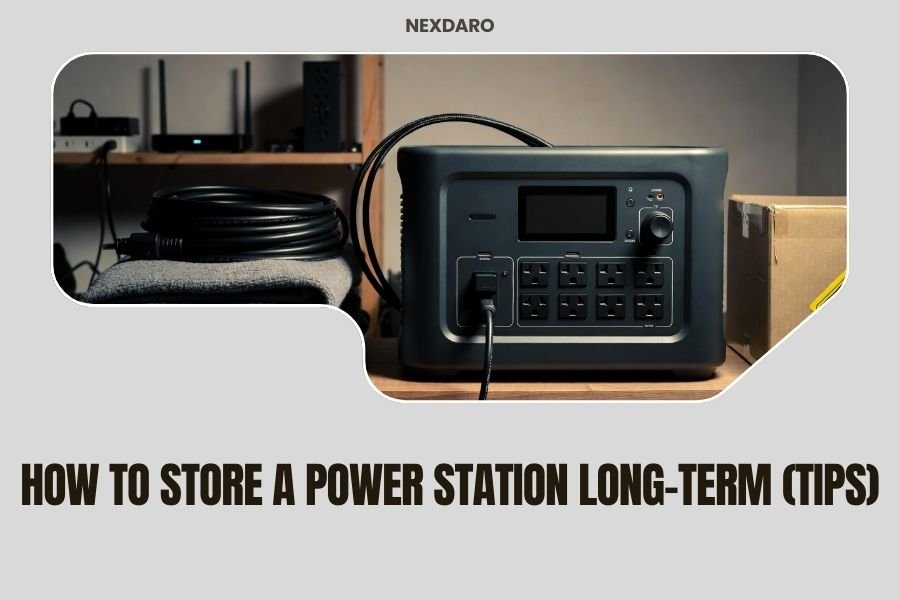
Store your power station long-term by keeping the battery at 50-60% charge and checking it every 3-6 months to prevent damage.
Proper power station storage requires a cool, dry location away from direct sunlight and extreme temperatures.
Why Long-Term Storage Matters for Your Power Station
You spent good money on your power station. Now you want it ready when you need it most. Whether you’re storing it between camping seasons or keeping it for emergencies, the way you store it makes all the difference.
I found that most power stations use lithium-ion batteries. These batteries don’t like being ignored for months. They can lose capacity or even stop working if you store them wrong.
Think of it like this: your power station is like a pet. Leave it alone too long without care, and bad things happen. But give it the right attention, and it’ll serve you for years.
The Golden Rule: Never Store at Full or Empty Charge
Here’s what surprised me when I researched battery storage. You should never store your power station at 100% charge or 0% charge.
The sweet spot? Keep it between 50-60% charged for long-term storage. This range puts the least stress on the battery cells.
What Happens When You Store at Full Charge
Storing at 100% charge makes the battery degrade faster. The lithium-ion cells stay under constant stress. Over months, this reduces their total capacity.
Many battery experts compare this to holding your breath. You can do it, but not for long without problems.
The Danger of Empty Storage
Storing at 0% charge is even worse. The battery can enter deep discharge mode. Sometimes, this makes it impossible to charge again.
I came across cases where people stored empty power stations and found them completely dead months later. The built-in protection circuits couldn’t save them.
Temperature Control: Your Battery’s Best Friend
Temperature affects battery life more than most people realize. Hot and cold both cause problems, but in different ways.
The Ideal Storage Temperature
Research shows that 59-77°F (15-25°C) is perfect for lithium battery storage. Room temperature works great.
Your garage might seem convenient, but temperature swings there can hurt your battery. Basements often work better because they stay cooler and more stable.
Hot Weather Storage Problems
Heat makes batteries age faster. Storage above 85°F (29°C) can cut battery life significantly.
I found research showing that every 18°F increase in temperature doubles the aging rate of lithium batteries. That’s why your car in summer isn’t a good storage spot.
Cold Weather Concerns
Freezing temperatures don’t permanently damage most power stations, but they slow down the battery chemistry.
If you store in a cold place, let the power station warm to room temperature before using it. Don’t try to charge a cold battery right away.
Humidity and Moisture Protection
Water and electronics don’t mix. Even humidity in the air can cause problems over time.
Finding the Right Humidity Level
Keep storage humidity between 30-50%. Too dry, and you get static electricity. Too humid, and you risk corrosion.
Basements often have high humidity. Consider using a dehumidifier or moisture absorber packets near your power station.
Signs of Moisture Damage
Look for these warning signs when you check your stored power station:
- Condensation inside the display screen
- Rust on metal parts or connectors
- Musty smell from the unit
- Corrosion around charging ports
Creating the Perfect Storage Environment
Indoor Storage Locations
The best spots in your home are usually:
- Interior closets (stable temperature)
- Under stairs storage areas
- Spare bedrooms
- Finished basements with climate control
Places to Avoid
Skip these storage locations:
- Attics (too hot in summer)
- Unheated garages
- Near heating vents or radiators
- Direct sunlight from windows
- Damp basements
Special Case: Vehicle Storage
If you must store in a vehicle, park in shade and crack windows for ventilation. Check the power station more often during extreme weather.
The Monthly Check-Up Routine
Don’t just put your power station away and forget it. Regular check-ups keep it healthy.
What to Check Every Month
Spend five minutes checking these things:
- Current charge level
- Any visible damage or corrosion
- Display screen functionality
- Charging port cleanliness
When to Charge During Storage
If the charge drops below 40%, give it a boost back to 50-60%. Don’t wait until it’s almost empty.
Most power stations lose about 3-5% charge per month during storage. Some lose more, especially older units.
Preparing Your Power Station for Storage
The Pre-Storage Checklist
Before putting your power station away, do these steps:
- Clean all ports and connections
- Remove any attached cables
- Check for firmware updates
- Set charge to 50-60%
- Record the storage date
Cleaning Before Storage
Use a slightly damp cloth to wipe down the exterior. Make sure it’s completely dry before storage.
Compressed air works great for cleaning dust from ports and vents. Just don’t blow too hard and damage internal components.
Documentation Tips
Write down the storage date and charge level. Stick a note on the unit or keep a log. This helps you track how well your storage method works.
Seasonal Storage Strategies
Winter Storage (3-6 Months)
Many people store power stations through winter when camping season ends.
Check monthly during the first three months. After that, you can stretch it to every six weeks if the charge level stays stable.
Summer Storage for Winter-Only Users
If you only use your power station for winter activities, summer storage needs extra attention to heat.
Find the coolest spot in your home. Air conditioning helps, but even an interior closet works better than a hot garage.
Different Battery Types Need Different Care
Lithium Iron Phosphate (LiFePO4)
These batteries handle storage better than regular lithium-ion. They can go longer between charge checks.
I found that LiFePO4 batteries can often go 6-12 months with minimal charge loss. Still check every few months to be safe.
Standard Lithium-Ion
Most portable power stations use this type. They need more attention during storage.
Check these monthly without fail. They lose charge faster and are more sensitive to temperature changes.
Emergency Preparedness Storage
Always-Ready Strategy
If your power station is for emergencies, you need it ready instantly. This changes your storage approach.
Keep it at 80% charge instead of 50%. Check it every two weeks. Yes, this reduces battery life slightly, but ensures it’s ready when you need it most.
Rotation Method
Some people buy two smaller power stations instead of one large one. Use one while the other stores properly. Swap them every few months.
| Storage Duration | Check Frequency | Ideal Charge Level | Special Notes |
|---|---|---|---|
| 1-3 months | Monthly | 50-60% | Standard maintenance |
| 3-6 months | Every 6 weeks | 55-60% | Start slightly higher |
| 6+ months | Monthly | 60% | Consider partial cycling |
| Emergency ready | Bi-weekly | 80% | Prioritize readiness |
Common Storage Mistakes to Avoid
The “Set It and Forget It” Trap
I keep hearing about people who store their power station for a year without checking it. Don’t be that person.
Batteries change over time. What worked for three months might not work for twelve.
Ignoring Warning Signs
If your power station starts losing charge faster during storage, something’s wrong. Don’t ignore it.
This could mean the battery is aging or there’s a small drain somewhere. Address it early before it gets worse.
Overcharging Before Storage
Some people think charging to 100% before storage gives them a buffer. This actually hurts the battery more than helps.
Bringing Your Power Station Out of Storage
The Wake-Up Process
When you’re ready to use your power station again, don’t rush into heavy use.
Let it adjust to room temperature first. Check all functions before heading out on your trip.
Post-Storage Testing
Test these functions after long-term storage:
- All charging ports
- AC inverter output
- Display accuracy
- Charging speed
When to Be Concerned
Call customer service if you notice significant capacity loss (more than 20%) or charging problems after proper storage.
Conclusion
Storing your power station correctly keeps it ready for years of reliable service. The key points are simple: maintain 50-60% charge, find a cool and dry location, and check on it regularly.
Remember that proper storage isn’t just about the battery. Temperature, humidity, and cleanliness all play important roles. A few minutes of monthly attention prevents major headaches later.
Your power station is an investment in your outdoor adventures and emergency preparedness. Take care of it during storage, and it’ll take care of you when you need power most.
Can I store my power station in the garage during winter?
Only if your garage stays above freezing and doesn’t get too hot in summer. Unheated garages with temperature swings aren’t ideal for battery health.
How often should I completely cycle the battery during long-term storage?
Every 6-12 months, consider charging to 80% and using it down to 20%, then returning to 50-60% for storage. This helps maintain battery calibration.
What if my power station won’t turn on after months in storage?
Try charging it for several hours first. Some units go into deep sleep mode and need time to wake up. If it still won’t respond, contact the manufacturer.
Is it safe to store my power station near other electronics?
Yes, power stations don’t emit harmful radiation when stored. Just make sure there’s adequate ventilation around all devices and they’re not stacked directly on top of each other.
Should I remove the power station’s battery for separate storage?
No, most portable power stations have integrated batteries that aren’t meant to be removed. Attempting this could void your warranty and damage the unit.
