
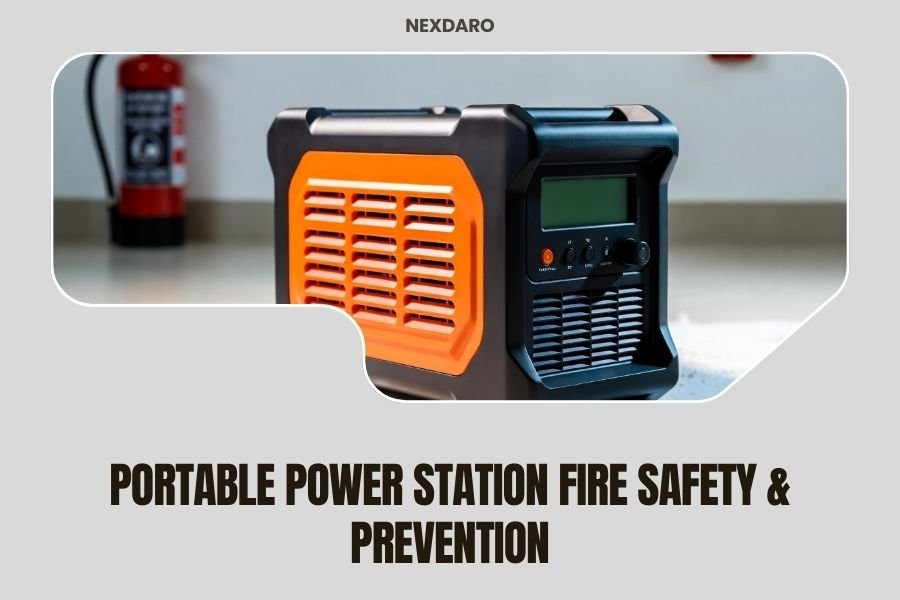
Portable power station fire safety requires proper ventilation, avoiding overheating, and using certified charging equipment to prevent thermal runaway and electrical fires.
Keep your power station away from flammable materials, never overload outlets, and store batteries between 20-80% charge in cool, dry locations.
Understanding Fire Risks in Portable Power Stations
Your portable power station contains lithium-ion batteries that can pose fire risks if mishandled. The biggest danger comes from thermal runaway – when battery cells overheat and start a chain reaction.
I found that most power station fires happen due to three main causes: overcharging, physical damage to battery cells, and poor ventilation during operation. When you understand these risks, you can take steps to prevent them.
What Causes Battery Thermal Runaway
Thermal runaway occurs when one battery cell overheats and triggers neighboring cells to overheat too. This creates a domino effect that can lead to fire or explosion.
Temperature plays a huge role here. Research shows that lithium batteries become unstable above 140°F (60°C). Your power station’s internal temperature can spike quickly if you’re not careful.
Common Fire Triggers You Can Avoid
From what I read in safety reports, these situations cause most power station fires:
- Using damaged charging cables or adapters
- Operating the unit in direct sunlight or hot cars
- Blocking ventilation ports during use
- Connecting incompatible devices that draw too much power
- Storing the unit with a completely drained battery
Safe Charging Practices
How you charge your power station makes the biggest difference in fire prevention. Always use the manufacturer’s original charging equipment – third-party chargers can deliver incorrect voltage.
Choose the Right Charging Location
Never charge your power station on soft surfaces like beds or couches. These materials can block airflow and trap heat. Instead, place it on hard, flat surfaces with good ventilation.
I found that experts recommend charging in areas with temperatures between 32°F and 104°F (0°C to 40°C). Avoid garages, attics, or anywhere temperatures fluctuate wildly.
Monitor Charging Progress
Don’t leave your power station charging overnight or when you’re away from home. Most units take 6-8 hours to fully charge, so plan accordingly.
Many newer models have built-in charging cutoffs, but older units might keep drawing power even when full. This can cause overheating over time.
Recognize Charging Warning Signs
Stop charging immediately if you notice these red flags:
- Unusual heat coming from the unit
- Strange smells, especially sweet or chemical odors
- Swelling or bulging of the case
- Sparks or smoke
- Unusual sounds like hissing or crackling
Proper Storage Guidelines
Where and how you store your power station affects fire risk just as much as how you use it. Temperature control is your biggest concern here.
Ideal Storage Conditions
Store your unit in a cool, dry place between 50°F and 77°F (10°C to 25°C). Basements often work well if they’re not damp. Avoid storage areas that get direct sunlight.
Keep the battery charge between 20% and 80% for long-term storage. A completely drained battery can become unstable, while a fully charged battery might slowly degrade and heat up.
Storage Location Safety
Never store your power station near heat sources like furnaces, water heaters, or heating vents. Also avoid areas with flammable materials like gasoline, paint, or cleaning supplies.
Give your unit some breathing room. I came across fire safety guidelines recommending at least 12 inches of clearance on all sides during storage.
Long-Term Storage Tips
If you won’t use your power station for months, check on it every 6-8 weeks. Look for any physical changes and top up the battery if it’s dropped below 20%.
Clean the ventilation ports regularly with compressed air. Dust buildup can block airflow and cause overheating when you start using the unit again.
Safe Operating Procedures
Using your power station safely means respecting its limits and watching for problems. Most units have safety features, but they’re not foolproof.
Power Load Management
Never exceed your power station’s rated capacity. If it’s rated for 1000W, don’t connect devices that draw more than 800W continuously. This gives you a safety buffer.
Sudden power spikes from devices like microwaves or power tools can trigger safety shutoffs. While this protects the unit, repeated shutoffs can stress the system.
Device Compatibility Check
Some devices don’t play well with power stations. Older refrigerators, space heaters, and hair dryers often draw more power than their labels suggest.
When in doubt, start with low-power devices and work your way up. This helps you learn your unit’s actual limits safely.
Ventilation Requirements
Your power station needs airflow to stay cool. Never cover ventilation ports, even partially. Heat buildup is your biggest enemy.
Operating the unit in enclosed spaces like tents or car trunks can be dangerous. Make sure there’s adequate air circulation wherever you’re using it.
Emergency Response Planning
Even with perfect safety practices, emergencies can happen. Knowing how to respond quickly can prevent small problems from becoming big disasters.
Fire Extinguisher Selection
Regular fire extinguishers might not work on lithium battery fires. Class D extinguishers work best for metal fires, including lithium batteries.
If you don’t have a Class D extinguisher, water can work but use lots of it. The goal is cooling the batteries below their ignition temperature.
When to Call Professionals
Call the fire department immediately if you see flames or heavy smoke. Battery fires can reignite hours later, even if they appear extinguished.
Don’t try to move a burning power station. The batteries can explode or release toxic gases that are dangerous to breathe.
Evacuation Procedures
If your power station catches fire indoors, get everyone out and close doors behind you. This helps contain toxic smoke.
Lithium battery fires release hydrogen fluoride gas, which is extremely dangerous. Don’t breathe the smoke under any circumstances.
Regular Maintenance for Fire Prevention
A little maintenance goes a long way toward preventing fires. Most tasks take just a few minutes but can save you from major problems.
Monthly Inspection Checklist
Check these items every month:
- Cables and connectors for damage or wear
- Case for cracks, bulges, or deformation
- Ventilation ports for dust or blockages
- Display for error messages or warnings
- Overall temperature during normal operation
Cable and Connector Care
Damaged cables cause many power station fires. Look for frayed wires, bent connectors, or loose connections. Replace damaged cables immediately.
Don’t wrap cables too tightly or store them twisted. This can damage internal wires over time.
Firmware Updates
Many power stations can receive firmware updates that improve safety features. Check your manufacturer’s website every few months for updates.
These updates often include better battery management and improved temperature monitoring. They’re worth installing even if your unit seems fine.
Environmental Considerations
Where you use your power station affects fire risk more than you might think. Environmental factors can push your unit beyond its safe operating limits.
Temperature Extremes
High temperatures are obvious fire risks, but extreme cold can be dangerous too. Cold batteries can malfunction when they suddenly warm up.
If your power station gets very cold, let it warm to room temperature before using or charging it. This prevents thermal shock to the battery cells.
Humidity and Moisture
Water and electricity don’t mix, but humidity can cause problems too. High humidity can cause condensation inside your unit.
If you use your power station in humid conditions, check for moisture buildup afterward. Wipe down the case and let it dry completely before storage.
Conclusion
Fire safety with portable power stations comes down to three key principles: proper charging, smart storage, and regular maintenance. By following these guidelines, you can enjoy the convenience of portable power while minimizing fire risks.
Remember that your safety is more important than convenience. When in doubt, err on the side of caution and follow manufacturer guidelines. A little prevention now can save you from major problems later.
Can portable power stations explode like smartphone batteries?
Yes, portable power stations can experience thermal runaway similar to smartphone batteries, but they’re much larger and potentially more dangerous. The key difference is scale – power stations contain many more battery cells, so fires can spread faster and burn longer.
Is it safe to use a power station while it’s charging?
Most modern power stations support pass-through charging, which allows safe use while plugged in. Check your manual to confirm this feature exists and any power limitations during simultaneous charging and discharging.
How often should I completely discharge my power station battery?
You should avoid completely discharging lithium batteries as this can damage them and increase fire risk. Instead, keep the charge between 20-80% for daily use and only fully cycle the battery every 2-3 months for calibration.
What should I do if my power station gets wet?
Turn off the power station immediately and disconnect all devices. Do not attempt to charge or use it until it’s completely dry, which may take several days. Contact the manufacturer for guidance, as water damage often requires professional inspection.
Are cheap power stations more likely to catch fire?
Lower-quality power stations often lack advanced safety features like temperature monitoring and automatic shutoffs. While price alone doesn’t determine safety, units with proper certifications from organizations like UL or FCC generally have better safety records than uncertified alternatives.
