
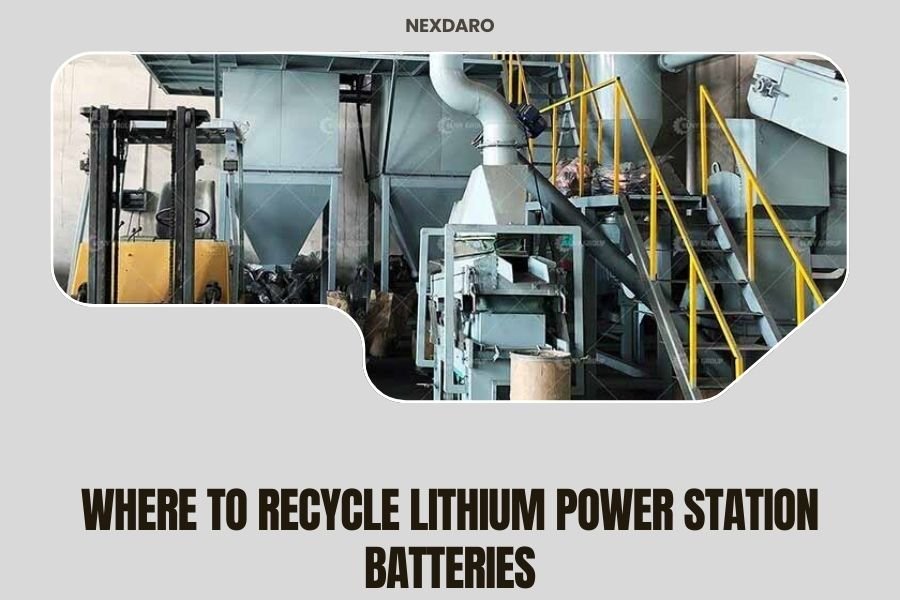
You can recycle lithium power station batteries at electronics retailers like Best Buy, Home Depot, and battery specialty stores, plus many local recycling centers accept them.
Never throw lithium power station batteries in regular trash since they contain toxic materials that harm the environment and can cause fires in landfills.
Why You Need to Recycle Your Power Station Battery
Your portable power station battery contains valuable metals like lithium, cobalt, and nickel. When you toss it in the garbage, these materials end up buried in landfills where they leak into soil and groundwater.
Even worse? These batteries can spark fires during trash collection and processing. I found that lithium battery fires in waste facilities have increased by 38% over the past three years (EPA).
But here’s the good news: recycling these batteries recovers up to 95% of their materials for new products.
National Retail Chains That Accept Power Station Batteries
Best Buy Battery Recycling Program
Best Buy takes lithium batteries up to 300 watt hours for free. Most portable power stations fall under this limit. You don’t need to buy anything or be a member.
Just walk into any Best Buy store and look for the recycling kiosk near the entrance. The staff can help if you’re not sure about your battery size.
Home Depot and Lowe’s Options
Both stores partner with battery recycling companies to accept small lithium batteries. Call your local store first since policies vary by location.
Some stores have collection bins, while others need you to bring batteries to customer service.
Interstate Battery Stores
Interstate Battery locations accept most rechargeable batteries, including power station batteries. They have over 200 company-owned stores plus thousands of dealers nationwide.
Their staff knows batteries inside and out, so they can answer questions about proper disposal.
Local Government Recycling Programs
Municipal Household Hazardous Waste Centers
Most cities and counties run hazardous waste collection sites. These facilities accept batteries, paint, chemicals, and electronics.
Search online for “hazardous waste disposal” plus your city name. Many centers operate on weekends for your convenience.
Special Collection Events
Local governments often host quarterly or annual e-waste collection days. You can drop off batteries, old phones, computers, and other electronics.
These events are usually free and held in parking lots or community centers. Check your city website or local newspaper for dates.
Battery Specialty Stores and Services
Batteries Plus Locations
Batteries Plus stores accept rechargeable batteries for recycling. With over 700 locations, you can probably find one nearby.
They charge a small fee for large batteries, but it’s worth it for proper disposal.
Auto Parts Stores
Some auto parts chains like AutoZone and O’Reilly’s accept lithium batteries. Call ahead since not all locations participate in these programs.
Online and Mail-In Recycling Services
Call2Recycle Program
Call2Recycle runs the largest battery recycling network in North America. Their website has a zip code search tool to find drop-off locations near you.
They also offer mail-in services for businesses and organizations with multiple batteries to recycle.
Manufacturer Take-Back Programs
Some power station manufacturers accept their old products back for recycling. Check your owner’s manual or the company website.
Brands like Goal Zero and EcoFlow have started pilot programs for battery take-back services.
What Happens During Battery Recycling
Safe Disassembly Process
Recycling facilities first discharge any remaining power from batteries. Then they carefully dismantle the outer casing to access internal components.
Workers wear protective gear since battery chemicals can be dangerous if mishandled.
Material Recovery Steps
The recycling process separates different metals using various techniques:
- Shredding breaks batteries into small pieces
- Magnetic separation pulls out iron and steel
- Chemical treatment isolates lithium, cobalt, and nickel
- Purification creates materials clean enough for new batteries
Preparing Your Battery for Recycling
Safety Steps Before Drop-Off
Discharge your power station battery to around 25% capacity before recycling. This reduces fire risk during transport and handling.
Look for any damage like cracks, swelling, or corrosion. If you see damage, place the battery in a plastic bag and tell recycling staff about the problem.
What to Bring With You
Some recycling centers want proof of purchase or battery specifications. Bring your owner’s manual if you still have it.
Remove any accessories like charging cables since they go to different recycling streams.
Costs and Fees
Free Options
Many retailers and municipal programs recycle small lithium batteries for free. This includes most portable power station batteries under 100 pounds.
When You Might Pay
Large power stations with multiple battery packs might have recycling fees. Expect to pay $10-30 for batteries over certain weight limits.
Some specialty recyclers charge fees but offer pickup services for heavy items.
What NOT to Do With Old Power Station Batteries
Never Put Them in Regular Trash
Garbage trucks compress waste, which can puncture battery cases and start fires. Landfills aren’t designed to contain battery chemicals safely.
Don’t Store Damaged Batteries
If your battery is cracked, swollen, or leaking, recycle it right away. Storing damaged batteries creates fire and chemical exposure risks.
Avoid DIY Disassembly
Taking apart power station batteries releases toxic chemicals and creates shock hazards. Leave disassembly to trained professionals with proper equipment.
Environmental Impact of Proper Disposal
Recycling lithium batteries prevents about 2,000 pounds of CO2 emissions per ton of batteries processed (EPA). The recovered materials replace mining for new metals.
One recycled power station battery provides enough lithium for three new phone batteries. That’s a pretty good return on a small recycling effort.
Finding Recycling Locations Near You
Online Search Tools
Use these websites to locate battery recycling in your area:
- Call2Recycle location finder
- Earth911 recycling directory
- Your city or county website
- EPA household hazardous waste locator
Making the Phone Call
Before driving anywhere, call to confirm they accept power station batteries. Ask about any size limits, fees, or special requirements.
Some locations only accept batteries during certain hours or days of the week.
Future of Power Station Battery Recycling
Battery recycling technology keeps improving. New processes recover more materials while using less energy.
Some companies now turn old lithium batteries into materials for solar panels and electric car batteries. It’s like giving your power station a second life in a different form.
Conclusion
Recycling your lithium power station battery protects the environment and recovers valuable materials for new products. You have many options, from national retailers like Best Buy to local hazardous waste centers.
The process is usually free and takes just a few minutes of your time. Before you go, discharge the battery partially and call ahead to confirm acceptance policies.
Your small action makes a real difference. Every recycled battery keeps toxic materials out of landfills and reduces the need for mining new metals.
Can I recycle a power station battery that no longer holds a charge?
Yes, dead batteries still contain valuable materials and should be recycled. Even batteries that won’t charge anymore have recoverable lithium, cobalt, and other metals inside.
How long can I store an old power station battery before recycling it?
Store old batteries in a cool, dry place for no more than six months before recycling. Keep them at around 50% charge if possible and check monthly for any swelling or damage.
Do I need to remove the battery from my power station before recycling?
Most recycling centers prefer you bring just the battery, but some accept the entire power station. Call ahead to ask about their specific requirements and whether they handle the disassembly.
What happens if my power station battery is damaged or swollen?
Place damaged batteries in a plastic bag and take them to a hazardous waste facility immediately. Tell the staff about the damage so they can handle it safely with proper protective equipment.
Are there any power station batteries that cannot be recycled?
Nearly all lithium power station batteries can be recycled, but very old or unusual battery types might need special handling. Contact your local hazardous waste center for guidance on uncommon battery chemistries.
