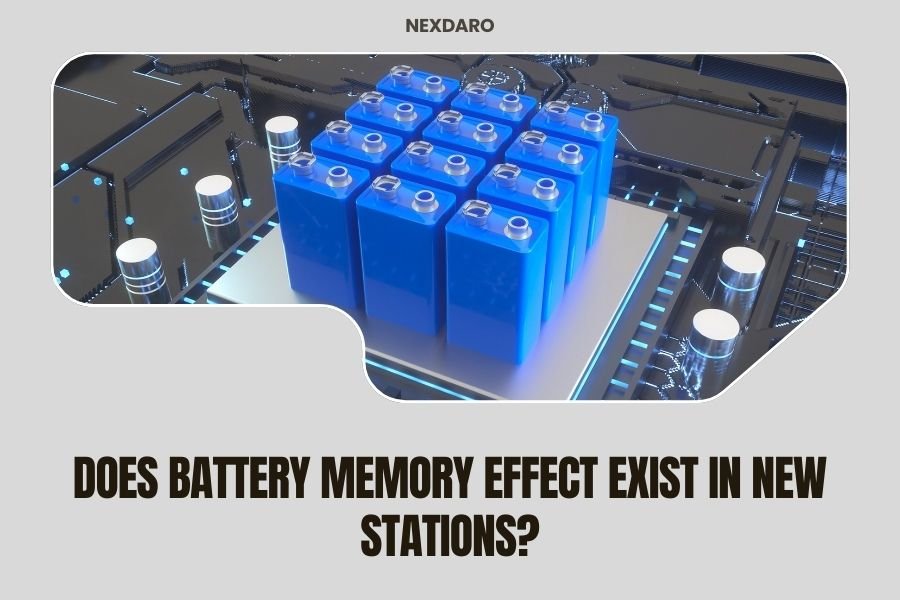
Battery memory effect does not exist in modern portable power stations because they use lithium-ion batteries instead of older nickel-cadmium technology.
You can charge your new power station whenever you want without worrying about reducing its battery capacity or lifespan.
If you’ve been hesitant to charge your portable power station before it’s completely dead, you’re not alone. Many people still worry about something called “battery memory effect.” But here’s the good news: this concern is outdated when it comes to today’s power stations.
Let me walk you through everything you need to know about battery memory and why it’s not a problem with your current gear.
What Is Battery Memory Effect?
Battery memory effect happens when a rechargeable battery “remembers” how much charge you typically use. Think of it like a lazy employee who only does the bare minimum work required.
When you repeatedly charge a battery before it’s fully drained, the battery starts to act like that smaller capacity is all it has. It stops delivering its full power potential.
How Memory Effect Actually Works
The technical name is “voltage depression.” The battery’s voltage drops earlier than it should during discharge. This makes your device think the battery is empty when it still has juice left.
It’s like having a gas tank that reads empty when you still have a quarter tank remaining. Frustrating, right?
Which Batteries Actually Suffer From Memory Effect
Only certain battery types experience true memory effect:
- Nickel-cadmium (NiCad) batteries – the main culprits
- Some nickel-metal hydride (NiMH) batteries – but much less severe
- Early rechargeable batteries from the 1970s and 1980s
Why Modern Power Stations Don’t Have Memory Problems
Today’s portable power stations use lithium-ion battery technology. These batteries work completely differently from the old nickel-based ones.
I found that lithium-ion batteries actually prefer partial charges over full discharge cycles. It’s the opposite of what you might expect.
The Science Behind Lithium-Ion Batteries
Lithium-ion batteries store energy by moving lithium ions between two electrodes. This process doesn’t create the crystalline deposits that cause memory effect in NiCad batteries.
Think of it like water flowing between two containers. The flow stays smooth no matter how much you move back and forth.
What Lithium Batteries Actually Prefer
Research shows that lithium-ion batteries last longer when you:
- Keep them between 20% and 80% charge when possible
- Avoid letting them sit at 0% or 100% for extended periods
- Charge them frequently rather than waiting for complete discharge
Battery University research confirms that partial discharge cycles actually extend lithium battery life compared to full cycles.
Common Myths About Power Station Charging
Let me clear up some persistent myths that might be affecting how you use your power station.
Myth: You Must Fully Drain Before Charging
This is completely backwards for lithium batteries. Deep discharges actually stress the battery more than partial ones.
Your power station’s battery management system is designed to handle frequent top-offs. Use it like your smartphone – charge when convenient.
Myth: Leaving It Plugged In Damages the Battery
Modern power stations have smart charging circuits that stop charging when full. They won’t overcharge like older devices might.
The battery management system automatically switches to maintenance mode once charging completes.
Myth: New Batteries Need Special “Conditioning”
You don’t need to do several full discharge cycles when you first get your power station. This advice applied to NiCad batteries decades ago.
Your lithium power station is ready to use normally right out of the box.
What Can Actually Damage Your Power Station Battery
While memory effect isn’t a concern, other factors can reduce your battery’s lifespan.
Extreme Temperatures
Heat is lithium batteries’ biggest enemy. Storing your power station in hot cars or direct sunlight accelerates aging.
Cold temperatures temporarily reduce performance but don’t cause permanent damage like heat does.
Ideal Storage Temperatures
Keep your power station between 32°F and 77°F when possible. Room temperature is perfect for both storage and operation.
Complete Discharge and Long Storage
Letting lithium batteries sit at 0% charge for months can cause permanent capacity loss. The battery enters a protective deep discharge state that’s hard to reverse.
If you’re storing your power station long-term, keep it around 50% charge and check it every few months.
Age and Cycle Count
All lithium batteries gradually lose capacity over time and use cycles. This is normal wear, not a defect.
Most power stations maintain 80% of their original capacity after 500-1000 charge cycles, depending on the model.
How to Maximize Your Power Station’s Battery Life
Here are practical steps to keep your power station running strong for years.
Daily Use Best Practices
Charge your power station whenever it’s convenient. Don’t wait for low battery warnings unless you’re actively using it.
Keep it plugged in when you’re home if you use it frequently. The built-in battery management handles everything automatically.
Storage Guidelines
When storing for more than a month:
- Charge to about 50-60% capacity
- Store in a cool, dry place
- Check and top off the charge every 3-6 months
- Avoid basements, attics, and garages with temperature extremes
Regular Maintenance Charging
Even if you don’t use your power station often, plug it in every few months. This prevents the battery from getting too low and maintains the battery management system.
Understanding Your Power Station’s Battery Management System
Every modern portable power station includes sophisticated electronics that protect the battery.
What the BMS Does for You
The battery management system monitors:
- Individual cell voltages and temperatures
- Charging and discharging rates
- Overall battery health and capacity
- Safety conditions like overheating or short circuits
Automatic Protection Features
Your power station automatically prevents conditions that could damage the battery. You can’t accidentally harm it through normal charging habits.
The BMS will shut down charging or discharging if it detects any problems.
Why This Matters to You
You can focus on using your power station instead of babying it. The built-in protections handle the technical details.
Signs Your Power Station Battery Is Aging Normally
All batteries age over time. Here’s how to tell if yours is aging normally or has a problem.
Normal Aging Signs
After a year or two of regular use, you might notice:
- Slightly shorter runtime than when new
- The battery percentage drops a bit faster under heavy loads
- Takes a few minutes longer to reach full charge
These changes happen gradually and shouldn’t be dramatic.
Problem Signs to Watch For
Contact support if you notice:
- Sudden capacity drops of 20% or more
- The unit getting hot during normal charging
- Charging stopping before 100% repeatedly
- Error messages or unusual display readings
Comparing Old vs New Battery Technologies
| Battery Type | Memory Effect | Best Charging Practice | Common Uses |
|---|---|---|---|
| Nickel-Cadmium | Yes, severe | Full discharge cycles | Old power tools, emergency lights |
| Nickel-Metal Hydride | Mild | Occasional full discharge | Hybrid cars, some electronics |
| Lithium-Ion | None | Frequent partial charges | Power stations, phones, laptops |
| Lithium Iron Phosphate | None | Charge when convenient | High-end power stations, EVs |
The Bottom Line on Memory Effect
Battery memory effect is a solved problem in modern portable power stations. You can charge yours whenever you want without any negative consequences.
The advice to fully discharge batteries before charging comes from the 1980s and 1990s. It doesn’t apply to today’s lithium technology.
Focus on using your power station when you need it and keeping it reasonably charged. The built-in battery management system handles all the technical details automatically.
Conclusion
Battery memory effect simply doesn’t exist in modern portable power stations with lithium-ion batteries. You can charge your unit whenever it’s convenient without worrying about reducing capacity or lifespan. The old rules about fully discharging before charging applied to nickel-cadmium batteries from decades ago, not today’s technology. Your power station’s built-in battery management system automatically protects against overcharging and other potential issues. Instead of worrying about charging habits, focus on keeping your power station at moderate temperatures and checking on it occasionally if stored long-term. This approach will give you years of reliable portable power whenever you need it.
Do I need to fully discharge my new power station before the first charge?
No, you can start using and charging your new power station immediately. Modern lithium batteries don’t require conditioning cycles like older battery types did.
How often should I charge my power station if I don’t use it regularly?
Check and charge your power station every 3-6 months when not in regular use. Keep it around 50% charge for long-term storage to maintain battery health.
Will leaving my power station plugged in all the time damage the battery?
No, the built-in battery management system prevents overcharging by switching to maintenance mode once the battery reaches full capacity. Staying plugged in won’t harm modern power stations.
Why does my power station seem to hold less charge than when it was new?
All lithium batteries gradually lose capacity over time and charge cycles. Losing 10-20% capacity after several years of use is normal aging, not a defect.
Can extreme weather affect my power station’s battery performance?
Yes, high temperatures can permanently damage lithium batteries while cold temperatures temporarily reduce performance. Store and operate your power station between 32°F and 77°F when possible.