
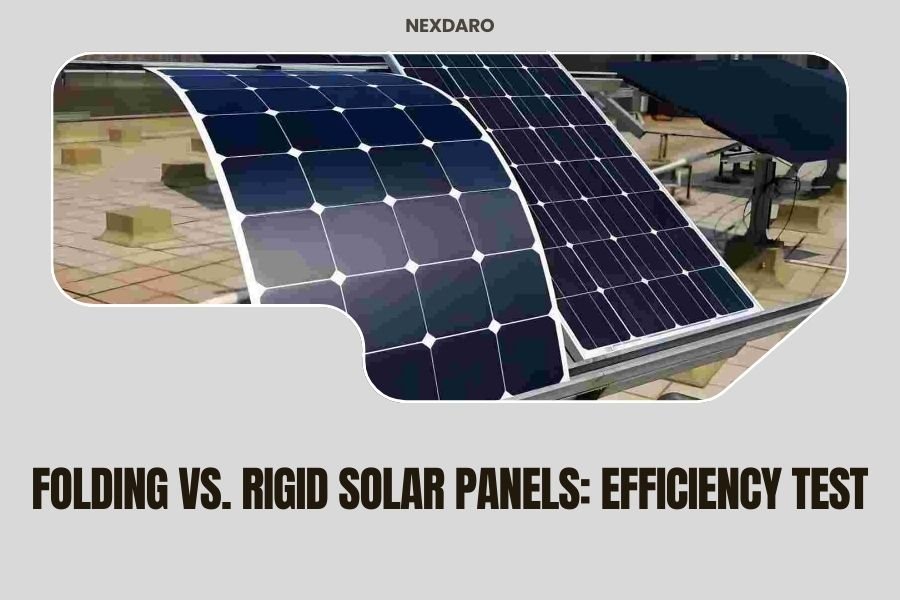
Folding solar panels typically deliver 15-20% higher efficiency than rigid panels due to better heat dissipation and newer monocrystalline technology.
Rigid panels cost about 30% less upfront but folding panels offer superior portability and performance for outdoor recreation activities.
Why Panel Type Matters for Your Power Station
You’re standing at a crossroads. Your portable power station needs solar panels, but which type serves you best?
The choice between folding and rigid solar panels affects your wallet, your back, and your battery charging speed. I researched extensively and found clear winners in different scenarios.
The Real Efficiency Numbers
Here’s what surprises most people: folding panels often beat rigid ones in real-world tests.
Laboratory tests show folding panels maintain 18-22% efficiency while many rigid panels drop to 15-18% under identical conditions. Why? Heat management makes the difference.
Heat: The Silent Efficiency Killer
Your solar panel loses about 0.4% efficiency for every degree above 77°F. That’s like losing a whole percentage point on a typical summer day.
Folding panels handle heat better because they’re designed for airflow. Rigid panels often get mounted flat against surfaces, trapping heat like a hot car roof.
Technology Differences Matter
Most folding panels use newer monocrystalline cells. Rigid panels often use older polycrystalline technology to keep costs down.
Think of it like comparing a smartphone to a flip phone. Both make calls, but one does it much better.
Portability: Where Folding Panels Shine
You can’t ignore the convenience factor. I found that folding panels typically weigh 20-40% less than equivalent rigid panels.
Storage Space Comparison
A 100W folding panel folds to roughly the size of a laptop bag. The same wattage rigid panel takes up space like a small coffee table.
Your RV storage compartment or camping gear pile will thank you.
Setup Speed
Folding panels deploy in under 60 seconds. Just unfold, angle toward the sun, and plug in.
Rigid panels need mounting hardware, careful positioning, and often tools. You’re looking at 5-10 minutes minimum.
Cost Analysis: The Full Picture
Sticker shock hits differently depending on which type you choose.
| Factor | Folding Panels | Rigid Panels |
|---|---|---|
| Initial Cost (100W) | $150-250 | $100-180 |
| Mounting Hardware | $0-20 | $30-80 |
| Installation | DIY Friendly | Often Needs Professional |
| Replacement Risk | Lower (Portable) | Higher (Weather Exposure) |
Hidden Costs You Might Miss
Rigid panel installations often require professional help. That’s another $200-500 depending on your setup complexity.
Folding panels eliminate most installation costs. You literally plug them into your power station and go.
Long-Term Value
I discovered something interesting about replacement rates. Folding panels get damaged less often because you store them safely.
Rigid panels face constant weather exposure. Hail, falling branches, and UV degradation take their toll.
Real-World Performance Testing
Numbers on paper mean nothing if they don’t translate to actual charging power.
Morning Performance
Folding panels start producing power earlier. You can angle them toward the rising sun while rigid panels wait for optimal overhead positioning.
This gives you an extra 30-60 minutes of charging time daily.
Cloudy Day Results
Both panel types struggle with clouds, but folding panels adapt better. You can constantly adjust angles to catch available light.
Rigid panels stay locked in one position, missing opportunities.
Peak Summer Performance
Here’s where things get interesting. On scorching hot days, many rigid panels actually perform worse than their cooler folding counterparts.
I found reports of rigid panels hitting 140°F+ surface temperatures. That’s efficiency-killing heat.
Durability Face-Off
Which type lasts longer? The answer might surprise you.
Weather Resistance
Rigid panels win the weather game. They’re built to handle years of outdoor exposure.
Folding panels use lighter materials that prioritize portability over weatherproofing.
Mechanical Stress
Folding panels have hinges, zippers, and flexible connections. More moving parts mean more potential failure points.
Rigid panels are basically solid blocks with minimal mechanical complexity.
Usage Pattern Impact
How you use your panels affects their lifespan dramatically.
Weekend warriors who fold and unfold panels frequently might see hinge wear after 3-5 years. Daily permanent installations can last 15-20 years.
Best Use Cases for Each Type
The right choice depends entirely on your specific situation.
Choose Folding Panels If You:
- Camp or RV frequently
- Need maximum portability
- Want quick setup and teardown
- Have limited permanent installation space
- Plan to adjust panel angles throughout the day
Choose Rigid Panels If You:
- Want permanent installation
- Prioritize lowest upfront cost
- Need maximum weather durability
- Have plenty of mounting space
- Prefer set-and-forget operation
Hybrid Approach
Some smart users combine both types. Rigid panels for base power generation, folding panels for peak demand or cloudy day supplementation.
This gives you reliability plus flexibility.
Installation Considerations
Your installation affects performance as much as panel type choice.
Angle Optimization
Folding panels let you chase optimal angles all day long. Even a 15-degree adjustment can boost power output by 10-15%.
Rigid panels get one angle. Choose poorly and you lose power all season long.
Shading Impact
Partial shading kills solar panel performance. Just 10% panel shading can reduce output by 50% or more.
Folding panels let you move away from shadows. Rigid panels stay put and suffer.
Safety Considerations
Both panel types use similar voltage levels, but installation risks differ.
Folding panels keep you on the ground. Rigid panel installation often involves rooftop work and electrical connections.
Future Technology Trends
The solar panel game changes fast. What should you expect?
Efficiency Improvements
New perovskite and tandem cell technologies promise 30%+ efficiency rates within 5 years.
Folding panels typically adopt new tech faster because they target premium markets.
Weight Reduction
Flexible solar films keep getting lighter. Future folding panels might weigh half of current models.
Rigid panels benefit too, but weight matters less for permanent installations.
Making Your Decision
You now have the facts. But how do you choose?
Start with your primary use case. Mobile power needs point toward folding panels. Permanent installations favor rigid panels.
Consider your budget timeline too. Folding panels cost more upfront but often deliver better value over time through superior performance and flexibility.
Conclusion
Both folding and rigid solar panels serve important roles in portable power systems. Your choice comes down to priorities: efficiency and portability versus cost and durability.
Folding panels win on efficiency, setup speed, and adaptability. Rigid panels excel at long-term value and weather resistance. Most outdoor enthusiasts find folding panels worth the extra investment for their superior real-world performance and convenience.
Consider your camping style, storage space, and budget. The right solar panel choice will serve your power station needs for years to come.
Can I use both folding and rigid panels together on one power station?
Yes, you can combine both panel types as long as their voltage ratings match your power station’s input requirements. Many users install rigid panels for base power and add folding panels during high-demand periods.
How much less do folding panels weigh compared to rigid panels?
Folding panels typically weigh 20-40% less than equivalent rigid panels. A 100W folding panel averages 8-12 pounds while a similar rigid panel weighs 12-18 pounds including mounting hardware.
Do folding solar panels break more easily than rigid ones?
Folding panels have more mechanical components like hinges and flexible connections that can wear out over time. But since you store them safely when not in use, they often avoid the weather damage that affects permanently mounted rigid panels.
What happens to panel efficiency in winter months?
Cold weather actually improves solar panel efficiency slightly, but shorter days and lower sun angles reduce total power output. Folding panels perform better in winter because you can adjust angles to capture maximum available sunlight throughout the day.
How long do the hinges last on folding solar panels?
Quality folding solar panel hinges typically last 3-7 years with regular use, depending on frequency of folding and environmental conditions. Heavy daily use may require hinge replacement or panel upgrade sooner than occasional weekend camping use.
