
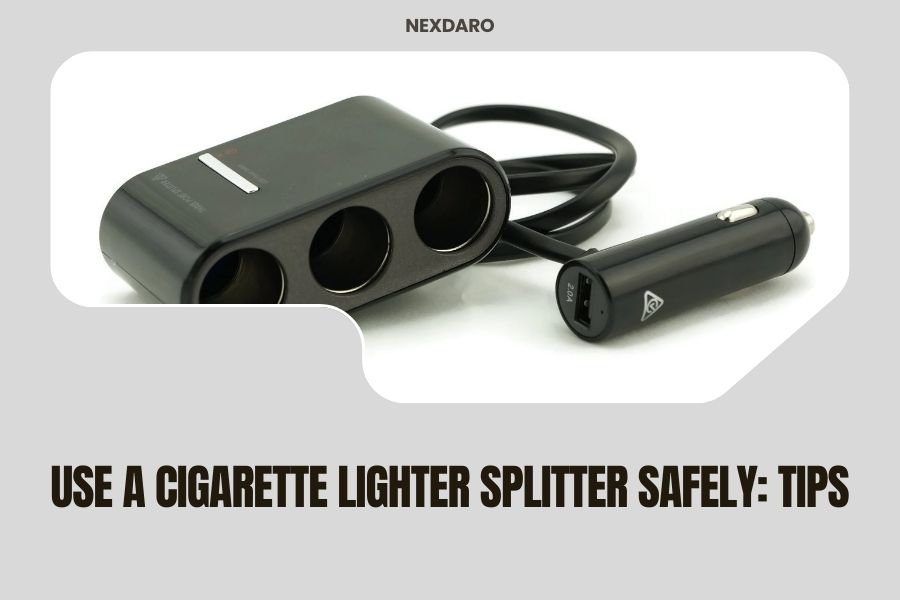
A cigarette lighter splitter lets you safely power multiple devices from your car’s 12V outlet by splitting one socket into two or more connections.
To use a cigarette lighter splitter safely, check the amp rating, avoid overloading circuits, and unplug when not in use to prevent battery drain.
What Is a Cigarette Lighter Splitter?
Think of a cigarette lighter splitter as a power strip for your car. It plugs into your vehicle’s 12V socket and gives you extra outlets.
Most cars only have one or two cigarette lighter ports. But you probably need to charge your phone, run a dash cam, and maybe power a portable cooler. That’s where splitters come in handy.
These devices come in different styles. Some plug directly into your socket and add one or two extra ports. Others have cables so you can position the outlets where you need them.
How Cigarette Lighter Splitters Work
Your car’s cigarette lighter socket provides 12V DC power. The splitter takes this single power source and divides it among multiple outlets.
Each splitter has a maximum amp rating. This tells you how much power it can handle safely. Most car sockets provide 10-15 amps total.
When you plug in devices, their power draws add up. Stay under your splitter’s limit to avoid problems.
Types of Splitter Designs
Direct plug-in splitters sit right in your socket. They’re compact but can be bulky.
Cable splitters have a cord that lets you place outlets in cup holders or other convenient spots.
USB combo splitters include both 12V sockets and USB ports for phones and tablets.
Safety Basics for Using Splitters
Safety starts with understanding your limits. Every splitter has an amp rating printed on it. Don’t exceed this number.
Most standard car fuses protect the cigarette lighter circuit at 15 or 20 amps. But your splitter might handle less.
I found that many cheap splitters only handle 8-10 amps safely, even if your car can provide more.
Check Your Car’s Amp Rating
Look at your fuse box to find your cigarette lighter fuse rating. This tells you the maximum your car allows.
Your owner’s manual also lists this information. Most modern cars provide 15 amps, but some older vehicles only give 10.
Calculate Device Power Needs
Add up the amp draw of everything you plan to plug in. Phone chargers typically use 1-2 amps. Dash cams need about 1 amp. Portable coolers can draw 3-5 amps.
Here’s a quick reference for common devices:
- Phone charger: 1-2 amps
- Dash cam: 0.5-1 amp
- GPS unit: 1-2 amps
- Portable cooler: 3-5 amps
- Air compressor: 8-15 amps
Installation and Setup Tips
Installing a splitter is usually simple. Just plug it into your socket. But proper placement matters for safety.
Avoid spots where the splitter might get kicked or damaged. Heat sources like vents can also cause problems.
Secure Loose Cables
Cable-type splitters need good cable management. Loose wires can get caught or create trip hazards.
Use clips or ties to route cables neatly. Keep them away from pedals and moving parts.
Test Before Loading Up
Plug in your splitter first and check that it works. Many have LED indicators that show power status.
Then add devices one at a time. This helps you spot problems before they get serious.
Watch for Warning Signs
Heat buildup around connections means trouble. Good connections stay cool during normal use.
Flickering lights or intermittent power also signal problems. Stop using the splitter if you notice these issues.
Common Mistakes to Avoid
The biggest mistake is overloading your circuit. This can blow fuses or damage your car’s electrical system.
I researched automotive electrical problems and found that most splitter issues come from exceeding amp limits.
Don’t Daisy-Chain Splitters
Plugging one splitter into another seems like a good way to get more outlets. But this creates dangerous power loads.
Each connection point adds resistance. This causes heat and reduces efficiency.
Avoid Cheap, Unrated Splitters
Some splitters don’t list amp ratings or safety certifications. These can be fire hazards.
Look for UL or CE safety marks. These show the device meets basic safety standards.
Quality Indicators to Look For
Good splitters have solid construction and clear amp ratings. The plug should fit snugly in your socket.
Built-in fuses provide extra protection. If something goes wrong, the splitter’s fuse blows instead of your car’s.
Battery Protection Strategies
Your car’s cigarette lighter socket usually stays powered when the engine is off. This can drain your battery.
Many people don’t realize their splitter draws small amounts of power even without devices connected.
Smart Splitters with Auto Shutoff
Some splitters monitor your battery voltage. They shut off automatically when voltage drops too low.
This prevents you from draining your battery to the point where your car won’t start.
Manual Disconnect Habits
The safest approach is unplugging your splitter when you leave your car. This completely eliminates parasitic drain.
If you forget often, consider a splitter with a power switch. You can turn it off without unplugging.
Monitoring Battery Health
Some splitters include voltage displays. These help you monitor your car’s electrical system health.
Normal voltage ranges from 12.6V (engine off) to 13.5-14.5V (engine running). Lower readings suggest battery or charging problems.
Maintenance and Care
Splitters need occasional cleaning to work properly. Dust and debris can cause poor connections.
Use compressed air to blow out sockets. A cotton swab with contact cleaner works for stubborn dirt.
Inspect Connections Regularly
Check for loose plugs, damaged cords, or burn marks. These signs mean it’s time to replace your splitter.
Spring-loaded contacts can weaken over time. If plugs feel loose, the splitter isn’t making good electrical contact.
Storage Between Uses
Store splitters in cool, dry places. Extreme temperatures can damage internal components.
Coil cables loosely to prevent wire damage. Tight coils can break wires inside the insulation.
Troubleshooting Common Problems
When splitters stop working, start with the basics. Check your car’s fuse first.
A blown fuse means you overloaded the circuit. Replace the fuse and reduce your power load.
Intermittent Power Issues
Loose connections cause power to cut in and out. Clean all contact points and ensure tight fits.
Vibration can loosen connections over time. This is especially common in trucks and off-road vehicles.
Overheating Problems
Hot splitters indicate overloading or poor connections. Stop using the device immediately.
Let everything cool down before investigating. Heat can damage your car’s socket permanently.
When to Replace Your Splitter
Replace splitters that show burn marks, smell burned, or feel hot during use.
Cracked cases or damaged cords also mean replacement time. Don’t try to repair electrical devices yourself.
Choosing the Right Splitter
Match your splitter to your actual needs. Don’t buy more capacity than you’ll use.
Count your devices and add up their power draws. Then choose a splitter with at least 20% extra capacity.
Features Worth Paying For
Built-in fuses protect your car’s electrical system. Individual switches let you control each outlet.
USB ports eliminate the need for separate adapters. Voltage displays help monitor system health.
Budget vs Premium Options
Basic splitters cost under $15 but may lack safety features. Premium units with smart features run $25-50.
For occasional use, basic splitters work fine. Daily users benefit from premium features and better construction.
| Feature | Basic Splitter | Premium Splitter |
|---|---|---|
| Price Range | $10-20 | $25-50 |
| Built-in Fuses | Sometimes | Usually |
| Individual Switches | No | Often |
| Voltage Display | Rare | Common |
| USB Ports | Basic | Fast Charging |
Conclusion
Using a cigarette lighter splitter safely comes down to respecting electrical limits and practicing good habits. Check amp ratings, avoid overloading circuits, and unplug when not needed.
Quality splitters with proper safety features cost a bit more but protect your car’s electrical system. Regular maintenance and careful monitoring prevent most problems before they start.
Remember that your car’s electrical system has limits. Work within those boundaries, and your splitter will serve you well for years. When in doubt, consult your owner’s manual or ask a qualified automotive electrician.
How many devices can I safely plug into a cigarette lighter splitter?
The number depends on power draw, not device count. Add up the amp ratings of your devices and stay under your splitter’s limit. Usually 2-3 low-power devices like phone chargers work fine, but one high-power device like an air compressor might max out the circuit.
Can I leave my splitter plugged in overnight?
This depends on your car. Some vehicles cut power to cigarette lighter sockets when you turn off the ignition. Others keep them powered constantly. If yours stays powered, unplug the splitter or you might drain your battery.
Why does my car’s fuse keep blowing when I use a splitter?
You’re drawing too many amps through the circuit. Calculate the total power draw of all connected devices. If it exceeds your fuse rating, reduce the load or upgrade to a higher-rated fuse if your car’s wiring supports it.
Are cigarette lighter splitters safe for expensive electronics?
Quality splitters with built-in fuses and voltage regulation are generally safe. Cheap, unrated splitters can deliver unstable power that damages sensitive electronics. Look for UL or CE certification marks for better protection.
What’s the difference between a splitter and a power inverter?
Splitters provide more 12V DC outlets like your original socket. Power inverters convert 12V DC to 120V AC household power for devices like laptops. Inverters draw much more power and need careful sizing to avoid overloading your electrical system.
