Yes, cold weather reduces your battery capacity by 20-50% depending on the temperature and battery type.
Lithium-ion batteries in portable power stations lose efficiency in freezing temperatures because chemical reactions slow down inside the cells.
Why Cold Weather Affects Your Battery
Ever wonder why your phone dies faster in winter? The same thing happens to your portable power station. Cold temperatures mess with the chemistry inside your battery.
When it gets cold, the electrolyte inside your battery thickens. Think of it like honey in the fridge. It becomes sluggish and can’t move ions as quickly between the positive and negative ends.
This slowdown means less power flows out when you need it. Your battery might show 100% charge, but it won’t deliver full power in the cold.
The Science Behind Battery Chemistry
Battery experts explain that lithium-ion cells depend on chemical reactions. These reactions need heat to work properly.
At 32°F (0°C), your battery capacity drops to about 80% of normal. At 0°F (-18°C), you might only get 50% capacity (Battery University).
The good news? This isn’t permanent damage. Warm up your battery, and it bounces back to normal performance.
How Much Capacity Do You Actually Lose?
The amount of capacity loss depends on how cold it gets and what type of battery you have.
| Temperature | Capacity Loss | Real-World Impact |
|---|---|---|
| 32°F (0°C) | 10-20% | Minor reduction in runtime |
| 14°F (-10°C) | 20-30% | Noticeable shorter usage |
| 0°F (-18°C) | 30-50% | Significantly reduced power |
| -4°F (-20°C) | 50%+ | May shut down completely |
Different Battery Types React Differently
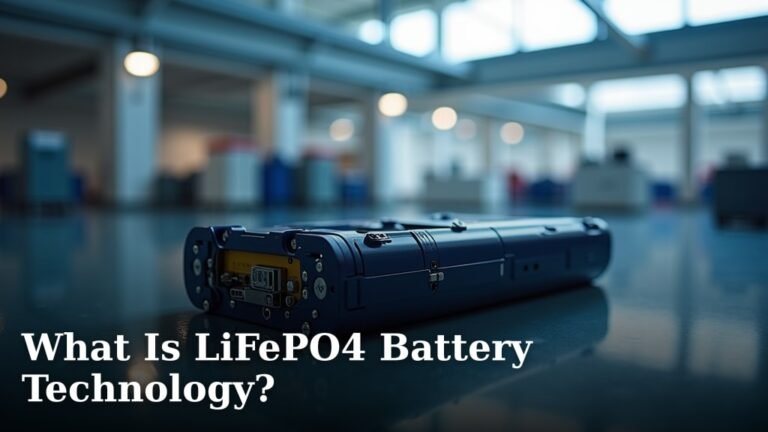
Not all batteries handle cold the same way. Lithium Iron Phosphate (LiFePO4) batteries actually perform better in cold than standard lithium-ion.
Lead-acid batteries lose even more capacity in cold weather. They can lose up to 60% capacity at freezing temperatures.
Lithium-Ion Performance
Most portable power stations use lithium-ion batteries. These handle moderate cold okay but struggle below freezing.
Research shows that lithium-ion batteries maintain about 70-80% capacity at 32°F. That’s still pretty usable for most camping trips.
LiFePO4 Advantages
LiFePO4 batteries keep more capacity in cold weather. They’re becoming more common in high-end portable power stations.
These batteries typically retain 85-90% capacity at freezing temperatures. That’s a big difference when you’re running essential devices.
Real-World Impact on Your Devices
What does this capacity loss mean for your actual camping or emergency needs?
Let’s say your power station normally runs your mini fridge for 10 hours. In 20°F weather, you might only get 6-7 hours of runtime.
Device-Specific Considerations
Some devices are more affected than others when your battery capacity drops.
- LED lights still work fine with reduced capacity
- Phone charging might be slower but still effective
- High-power devices like heaters may not start at all
- CPAP machines might shut off earlier than expected
Heating Devices Need Extra Power
Electric heaters, heated blankets, and warming devices draw lots of power. They’re the first things to suffer when your battery capacity drops.
You might need twice the battery capacity you’d normally plan for if you’re running heating devices in cold weather.
Medical Devices Require Special Planning
If you depend on medical devices, cold weather battery loss is serious. Always bring backup power sources for essential medical equipment.
How to Minimize Cold Weather Battery Loss
You can’t stop physics, but you can work around it. Here are proven strategies to keep your battery performing better in cold weather.
Keep Your Battery Warm
The simplest solution is keeping your power station warm. Even a few degrees makes a big difference.
Bring your power station inside your tent or cabin when possible. Body heat from sleeping can help maintain battery temperature overnight.
Insulation Strategies
Wrap your power station in a sleeping bag or blanket when not in use. Some people use coolers to insulate their batteries.
Just make sure you don’t block ventilation ports. Batteries need airflow to prevent overheating during charging.
Strategic Placement
Place your power station away from cold ground. Use a foam pad or wooden board as insulation.
Keep it out of wind and snow. Even a cardboard box can provide helpful wind protection.
Warm Up Before Heavy Use
If your battery has been sitting in the cold, warm it up gradually before demanding high power.
Start with low-power devices first. This gentle warming helps restore chemical activity inside the battery.
Gradual Temperature Changes
Don’t shock your battery with sudden temperature changes. Moving from freezing cold to hot indoors can cause condensation problems.
Let your power station adjust to room temperature slowly. This prevents moisture buildup inside the case.
Charging Your Battery in Cold Weather
Cold weather affects charging too, not just discharging. Many power stations won’t charge properly below certain temperatures.
Most lithium batteries have built-in protection that stops charging below 32°F. This prevents permanent damage to the cells.
Safe Charging Temperatures
Check your power station’s manual for safe charging temperatures. Most work best between 32°F and 100°F.
If you need to charge in cold weather, warm up the unit first. Charging a cold battery can reduce its lifespan.
Solar Charging Challenges
Solar panels actually work better in cold weather, but your battery might not accept the charge.
You might generate plenty of solar power on a sunny winter day but can’t store it if your battery is too cold.
Planning for Cold Weather Adventures
Smart planning prevents cold weather battery problems before they start.
Calculate Extra Capacity Needs
Plan for 30-50% less runtime in freezing weather. If you normally need 500Wh of capacity, bring 750-1000Wh for cold conditions.
This might mean bringing a larger power station or multiple smaller units.
Backup Power Sources
Don’t rely on just one power source in cold weather. Bring backup batteries, power banks, or alternative charging methods.
Car chargers, hand-crank generators, or extra battery packs can save the day when your main power station underperforms.
Essential vs. Nice-to-Have Devices
Prioritize which devices you absolutely need versus those that are just convenient.
Save battery capacity for essential items like medical devices, emergency communications, and safety equipment.
Power Management Strategies
Use timers and schedules to manage power consumption. Run high-power devices only when necessary.
Consider devices that use less power. LED lights instead of halogen. Efficient 12V appliances instead of AC inverter devices.
When to Bring Your Battery Indoors
Sometimes the best strategy is bringing your power station inside heated spaces overnight.
Many RV travelers bring their portable power station inside before bed. This keeps the battery warm and ready for morning use.
Storage Considerations
If you’re not using your power station for several days in cold weather, store it somewhere warm.
Cold storage won’t permanently damage modern lithium batteries, but it will drain them faster through self-discharge.
Long-Term Cold Storage
For winter storage, keep your battery around 50% charge and in a cool (not cold) dry place.
Avoid storing fully charged batteries in freezing temperatures for months. This can accelerate capacity loss over time.
Conclusion
Cold weather definitely reduces your battery capacity, but it doesn’t have to ruin your outdoor adventures or emergency preparedness. Understanding that you’ll lose 20-50% capacity in freezing temperatures helps you plan better.
The key is preparation. Bring extra capacity, keep your power station warm when possible, and prioritize essential devices. Remember that capacity loss is temporary – your battery will return to normal performance once it warms up.
With smart planning and the right strategies, you can keep your devices powered even when the temperature drops. Stay warm, stay powered, and enjoy your cold weather adventures with confidence.
Does cold weather permanently damage my portable power station battery?
No, cold weather capacity loss is temporary. Your battery will return to normal performance once it warms back up to room temperature. However, repeatedly charging a very cold battery can cause long-term damage, so warm it up before plugging in.
At what temperature should I stop using my power station outdoors?
Most portable power stations work down to 14°F (-10°C), but performance drops significantly. Below 0°F (-18°C), many units will shut down automatically to protect the battery. Check your specific model’s operating temperature range in the manual.
Can I use a heating pad to warm up my power station battery?
Avoid direct heating sources like heating pads or heat guns, which can damage the battery or create safety hazards. Instead, bring the unit to room temperature gradually or wrap it in insulating materials to retain ambient heat.
Why does my power station show full charge but won’t power my devices in cold weather?
Cold temperatures slow down the chemical reactions inside your battery, reducing available current even when the charge level appears normal. The battery management system shows stored energy, but cold chemistry limits how much power can actually flow out.
Should I buy a larger capacity power station if I camp in winter frequently?
Yes, if you regularly camp in freezing temperatures, consider getting 30-50% more capacity than you’d need in warm weather. Alternatively, invest in a LiFePO4 battery model, which maintains better performance in cold conditions than standard lithium-ion batteries.