
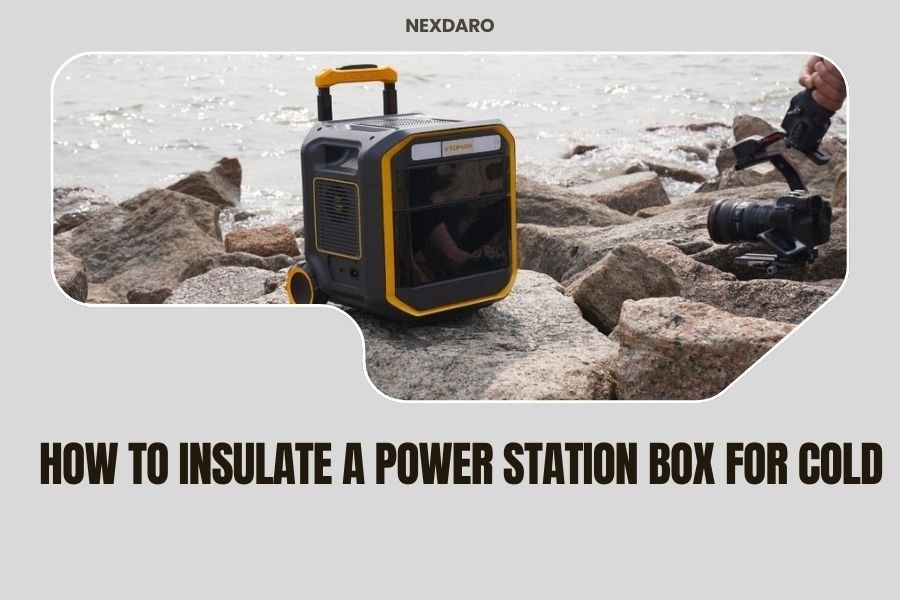
To insulate a power station box for cold, wrap it with foam insulation boards or reflective bubble wrap, then secure with weatherproof tape.
Create an insulated enclosure using a larger box filled with foam padding, leaving ventilation gaps to prevent overheating while protecting your power station from freezing temperatures.
Why Cold Weather Kills Your Power Station
Your power station battery hates the cold. When temperatures drop below 32°F, lithium batteries lose up to 50% of their capacity. That’s like having half a tank of gas when you need a full one.
Cold weather slows down chemical reactions inside the battery cells. Think of it like thick honey versus warm water – everything moves slower when it’s cold. Your power station might shut down completely if it gets too cold, leaving you without power when you need it most.
Signs Your Power Station Is Too Cold
Watch for these warning signs that your power station needs better insulation:
- Battery drains faster than usual
- Display shows reduced capacity
- Unit shuts down unexpectedly
- Charging takes much longer
- Error messages about temperature
Quick Insulation Methods You Can Do Today
You don’t need special tools or expensive materials. Most of these solutions use items you probably have at home or can grab from any hardware store.
The Foam Board Method
Foam insulation boards work great because they’re cheap and easy to cut. I found that 1-inch thick boards give the best balance of insulation and portability.
Cut the foam to fit around your power station like a jacket. Leave about 2 inches of space on all sides. Use duct tape to connect the pieces, but don’t seal it completely – your power station needs to breathe.
Materials You’ll Need
- Foam insulation boards (1-inch thick)
- Box cutter or utility knife
- Duct tape or aluminum tape
- Measuring tape
- Marker for measurements
The Bubble Wrap Solution
Reflective bubble wrap insulation is lighter than foam boards. It’s perfect if you’re carrying your power station on camping trips or in your car.
Wrap it around your power station like you’re wrapping a gift. The reflective side should face outward to bounce cold air away. Secure with tape, but leave the top partially open for ventilation.
Why Reflective Works Better
The shiny surface reflects cold temperatures away from your power station. It’s like wearing a space blanket – the reflective material creates a barrier that keeps warmth in and cold out.
Building a Proper Insulated Box
For serious cold weather protection, build a dedicated insulated enclosure. This method gives you the best temperature control and protection.
Choosing the Right Outer Box
Your outer box should be at least 6 inches larger than your power station on all sides. Plastic storage containers work better than cardboard because they block wind and moisture.
Look for boxes with tight-fitting lids. You want to control airflow, not eliminate it completely. Your power station generates heat during operation, and you need that heat to stay trapped inside.
Size Guidelines
| Power Station Size | Minimum Box Dimensions | Insulation Thickness |
|---|---|---|
| Small (under 500Wh) | 18″ x 12″ x 10″ | 2 inches |
| Medium (500-1000Wh) | 24″ x 16″ x 14″ | 3 inches |
| Large (over 1000Wh) | 30″ x 20″ x 18″ | 3-4 inches |
Installing the Insulation
Line the inside of your box with insulation material. Spray foam works great for filling gaps, but be careful not to use too much. It expands a lot as it dries.
Create layers if you need more insulation. Start with foam boards on the walls, then add a layer of reflective bubble wrap. This combination gives you both thermal mass and radiant heat reflection.
Don’t Forget the Bottom
Cold ground sucks heat away fast. Put extra insulation under your power station. A thick foam pad or even an old sleeping bag works well as a base layer.
Ventilation Is Critical
Here’s where many people mess up – they seal their power station completely. That’s dangerous. Your power station needs airflow to prevent overheating and allow proper charging.
Creating Safe Air Gaps
Leave small gaps at the bottom and top of your insulation. Think of it like a chimney effect – cold air comes in at the bottom, warms up, and flows out the top.
Make these gaps about 1 inch wide. Big enough for airflow, small enough to keep most cold air out. You can adjust the gap size based on outside temperature and how hard your power station is working.
Signs of Poor Ventilation
- Power station feels very hot to touch
- Fan runs constantly at high speed
- Charging stops unexpectedly
- Performance drops during heavy use
Advanced Insulation Techniques
Ready to take your insulation game to the next level? These methods work great for extreme cold or long-term outdoor use.
Adding a Heat Source
Small heating pads designed for reptile terrariums work perfectly. They use very little power and provide gentle, consistent warmth. Place one on the bottom of your insulated box, away from direct contact with your power station.
Set the thermostat to around 50°F. You don’t need tropical temperatures – just enough warmth to keep the battery chemistry happy.
Heat Pad Safety Rules
- Use only UL-listed heating pads
- Never place directly against the power station
- Always use a thermostat controller
- Check connections regularly
- Turn off when charging at high rates
The Double-Wall Method
Build two boxes – one inside the other with insulation between them. This creates an air gap that acts like a thermos bottle. The inner box holds your power station, the outer box blocks the cold.
Fill the space between boxes with loose insulation like perlite or shredded foam. This method gives you the best temperature stability but takes more work to build.
Materials That Work Best in Cold
Not all insulation performs the same when temperatures drop. I researched different materials and found some clear winners for power station protection.
Top Insulation Materials
Closed-cell foam performs best in cold, wet conditions. It doesn’t absorb water and maintains its insulating properties even when frozen. Polyiso boards are affordable and easy to work with.
Reflective barriers like radiant barrier foil work great as a second layer. They don’t provide much thermal mass, but they’re excellent at reflecting heat back toward your power station.
Materials to Avoid
- Fiberglass insulation (holds moisture)
- Cotton or fabric (freezes when wet)
- Cheap foam that compresses easily
- Materials with formaldehyde (off-gassing in enclosed spaces)
Weather-Resistant Coatings
Protect your insulation from moisture with weatherproof coatings. Liquid rubber coating works well on foam boards. It stays flexible in cold weather and creates a waterproof seal.
Aluminum tape seals joints better than duct tape in cold weather. It doesn’t get brittle and lose adhesion like regular tape does.
Testing Your Insulation Setup
Don’t wait for a blizzard to find out your insulation doesn’t work. Test it during mild cold weather first.
Simple Temperature Monitoring
Put a small thermometer inside your insulated box, away from your power station. Check it every few hours during cold weather. The temperature inside should stay at least 10-15 degrees warmer than outside.
Digital thermometers with min/max memory show you the temperature range while you weren’t watching. This helps you spot problems before your power station shuts down.
Performance Benchmarks
Good insulation should maintain these temperature differences:
- Outside 20°F, inside 35°F or warmer
- Outside 0°F, inside 20°F or warmer
- Outside -10°F, inside 10°F or warmer
Maintenance and Seasonal Storage
Your insulation setup needs regular care to keep working properly. Check for damaged areas after each use, especially if you transport it frequently.
Common Wear Points
Tape joints fail first in cold weather. The adhesive gets hard and loses grip. Replace tape at the start of each winter season. Look for gaps where foam pieces have shifted or compressed.
Moisture buildup inside the insulation reduces its effectiveness. Air out your setup between uses. If you find wet insulation, dry it completely before storing.
Spring Maintenance Checklist
- Remove all insulation materials
- Check for damage or compression
- Clean and dry all components
- Store in a dry location
- Replace damaged tape or foam
Conclusion
Insulating your power station box for cold weather isn’t complicated, but it makes a huge difference in performance. Start with simple foam board or bubble wrap insulation, leaving space for ventilation. For extreme cold, build a proper insulated enclosure with temperature monitoring.
The key is balancing insulation with airflow. Your power station needs to stay warm but not overheat. Test your setup during mild cold weather and adjust as needed. With proper insulation, your power station will work reliably even when temperatures drop below freezing.
Can I use blankets or sleeping bags to insulate my power station?
Blankets and sleeping bags can work for short-term use, but they’re not ideal for extended cold weather protection. They can trap moisture and don’t provide consistent insulation. Foam boards or reflective insulation work much better for reliable temperature control.
How cold is too cold for a power station even with insulation?
Most lithium battery power stations stop working reliably below -4°F, even with good insulation. At extremely low temperatures, the battery chemistry slows down so much that the unit may not start or charge properly. Consider adding a small heating element for temperatures below 0°F.
Will insulating my power station affect its charging speed?
Proper insulation actually improves charging speed in cold weather by keeping the battery at optimal temperature. Batteries charge slower when cold, so maintaining warmth helps preserve normal charging rates. Just make sure you leave enough ventilation to prevent overheating during fast charging.
How much insulation do I need for overnight camping in winter?
For overnight winter camping, use at least 2-3 inches of insulation on all sides with reflective barrier material. Place extra insulation underneath since cold ground conducts heat away quickly. Monitor the internal temperature and add a small heating pad if temperatures drop below 10°F.
Can I leave my power station in an insulated box while it’s running?
Yes, but only with proper ventilation gaps. Running power stations generate heat and need airflow for cooling. Leave 1-2 inch gaps at the top and bottom for air circulation. Monitor the internal temperature and reduce insulation if the unit gets too hot during heavy use.
