
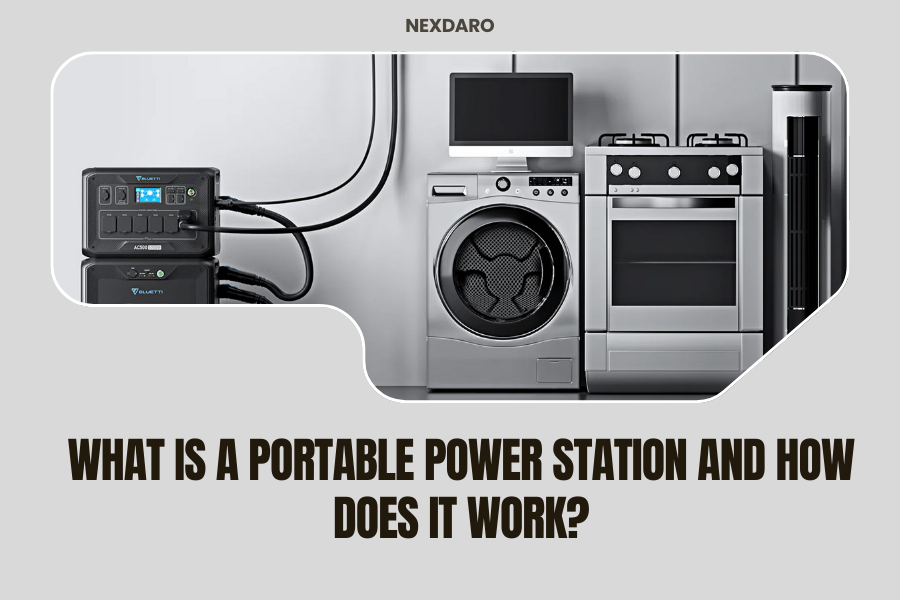
Portable power stations have become an essential tool for outdoor enthusiasts, travelers, and anyone who needs reliable electricity away from traditional power outlets. Whether you are camping, preparing for emergencies, or working remotely outdoors, a portable power station offers a clean and quiet power solution.
This guide explains what portable power stations are, how they work, and how to choose the right one for your needs.
What Is a Portable Power Station?
A portable power station is a compact, rechargeable battery powered device designed to supply electricity to multiple devices at once. Unlike gas generators, portable power stations do not use fuel, produce emissions, or generate loud noise.
They typically feature:
- A built in rechargeable battery
- Multiple output ports such as AC outlets, USB ports, and DC ports
- An internal inverter to convert stored energy into usable power
Portable power stations are widely used for camping, RV travel, outdoor events, emergency backup, and mobile work setups.
How Portable Power Stations Work
Portable power stations store electrical energy inside a high capacity battery, usually lithium ion or lithium iron phosphate.
The basic process works like this:
- The battery is charged using a wall outlet, car charger, or solar panels
- Stored energy is managed by a battery management system
- An inverter converts the stored energy into AC power when needed
- Devices draw power through the available output ports
This design allows users to safely power electronics without fuel or combustion.
Common Uses for Portable Power Stations
Portable power stations are versatile and can be used in many situations, including:
- Camping and outdoor adventures
- RV and van life setups
- Emergency power during outages
- Charging phones, laptops, and cameras
- Powering small appliances like mini fridges or CPAP machines
- Outdoor work sites and mobile offices
Their silent operation makes them ideal for use in quiet environments.
Key Features to Look For
When choosing a portable power station, several features matter more than others.
Battery Capacity
Battery capacity is measured in watt hours. A higher watt hour rating means longer runtime. Small units may offer 200 to 300 watt hours, while larger models can exceed 2000 watt hours.
Output Power
Output power is measured in watts. It determines what devices you can run. Low wattage stations handle phones and laptops, while higher wattage models can power appliances and tools.
Port Selection
Look for a mix of:
- AC outlets for household devices
- USB A and USB C ports for electronics
- DC ports for car accessories
More ports provide greater flexibility.
Charging Options
Good portable power stations support multiple charging methods:
- Wall charging for fast recharging
- Car charging for travel use
- Solar charging for off grid power
Solar compatibility is especially useful for extended outdoor trips.
Battery Type
Lithium iron phosphate batteries typically offer longer lifespan and improved safety compared to standard lithium ion batteries.
Portable Power Stations vs Gas Generators
Portable power stations and gas generators serve similar purposes but differ significantly.
Portable power stations:
- Produce no emissions
- Operate silently
- Require minimal maintenance
- Are safe for indoor use
Gas generators:
- Use fuel and produce exhaust
- Are louder
- Require regular maintenance
- Must be used outdoors
For clean, portable, and convenient power, many users prefer portable power stations.
Safety and Maintenance Tips
To get the best performance and lifespan from your power station:
- Avoid exposing it to extreme heat or moisture
- Do not overload the output capacity
- Store it partially charged if not used for long periods
- Use manufacturer approved chargers and cables
Following these guidelines helps ensure safe and reliable operation.
Are Portable Power Stations Worth It?
For many people, portable power stations are a worthwhile investment. They provide dependable power without fuel, noise, or fumes. Whether used for outdoor recreation, emergency preparedness, or daily convenience, they offer flexibility that traditional generators cannot.
Final Thoughts
Portable power stations are changing how people access power in outdoor and off grid environments. Understanding how they work and what features matter most will help you choose a model that fits your lifestyle.
As technology improves, portable power stations continue to become more powerful, efficient, and accessible for everyday use.
