How to Check Any Appliance Wattage: 3 Easy Ways
You can check any appliance wattage by reading the label on the device, using a watt meter, or calculating it from voltage and amperage values. The easiest method is looking…

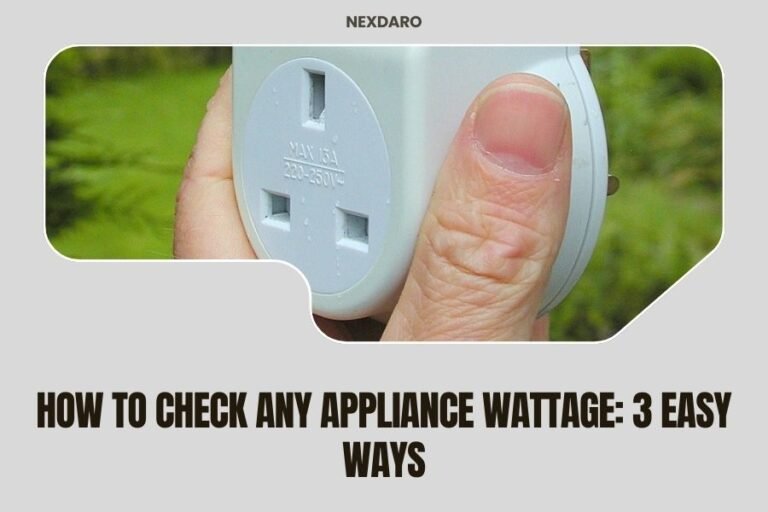
You can check any appliance wattage by reading the label on the device, using a watt meter, or calculating it from voltage and amperage values. The easiest method is looking…
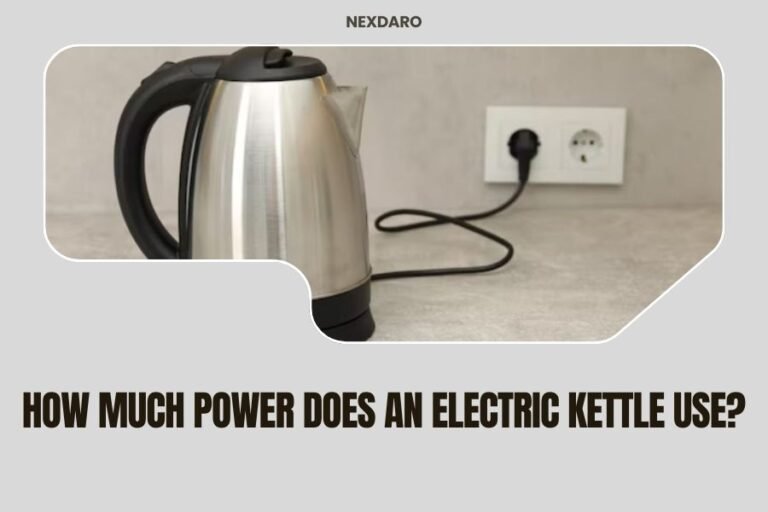
Most electric kettles use between 1,500 to 3,000 watts of power when running, with 2,000 watts being the average for standard home models. Since electric kettles only run for 3-5…

For off-grid cabins, you need a power station with at least 1500-3000Wh capacity to run basic appliances like lights, refrigeration, and electronics for 24-48 hours. The right size depends on…
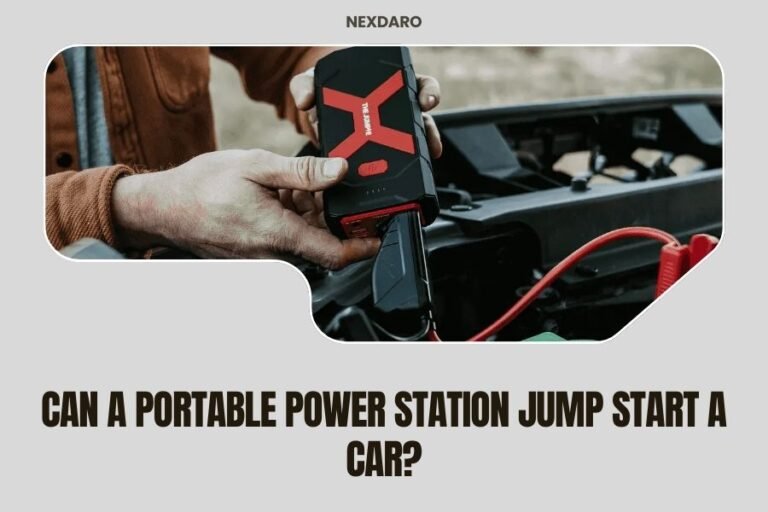
Yes, a portable power station can jump start a car if it has the right output power and jump start features. Most units need at least 400-800 peak amps and…
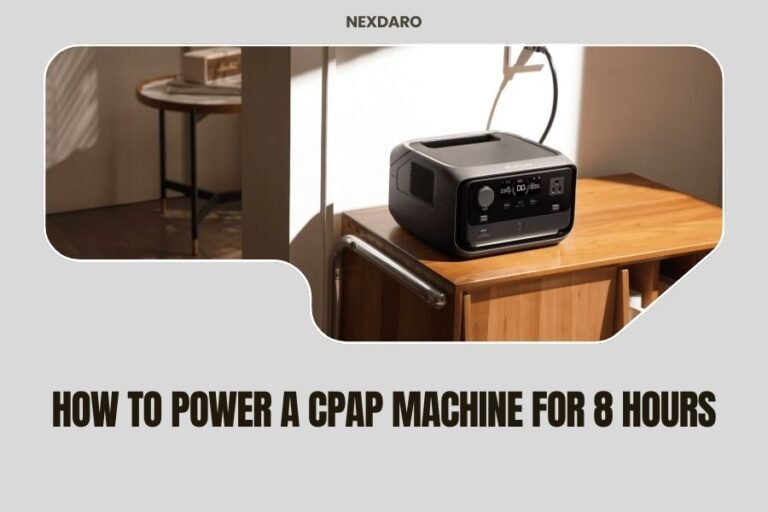
To power a CPAP machine for 8 hours, you need a portable power station with at least 300-400 watt-hours of capacity, depending on your machine’s pressure settings and features. Most…
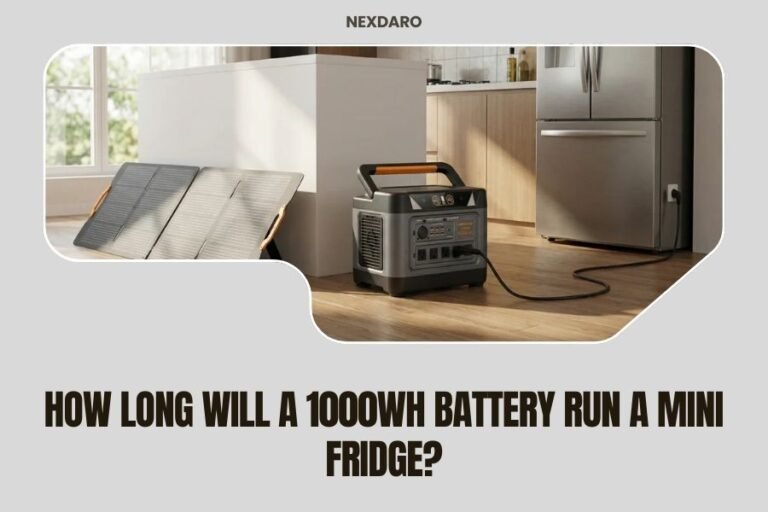
A 1000Wh battery will run a mini fridge for 12-20 hours, depending on the fridge’s power consumption and efficiency settings. Most portable mini fridges use 50-80 watts per hour, making…
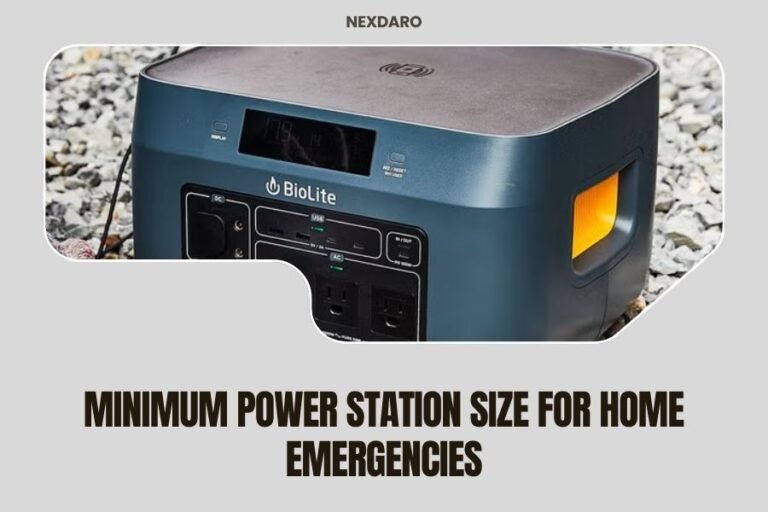
For basic home emergencies, you need a minimum power station size of 1000-1500 watt hours (Wh) to keep essential devices running for 12-24 hours. This capacity covers your phone, flashlight,…
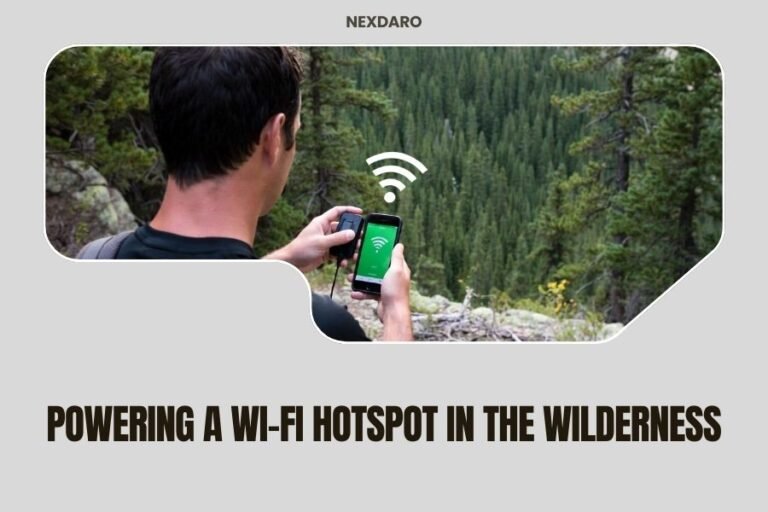
A portable power station can run a Wi-Fi hotspot in the wilderness for 8-20 hours depending on your device’s power needs and battery capacity. Most mobile hotspots use 5-15 watts…
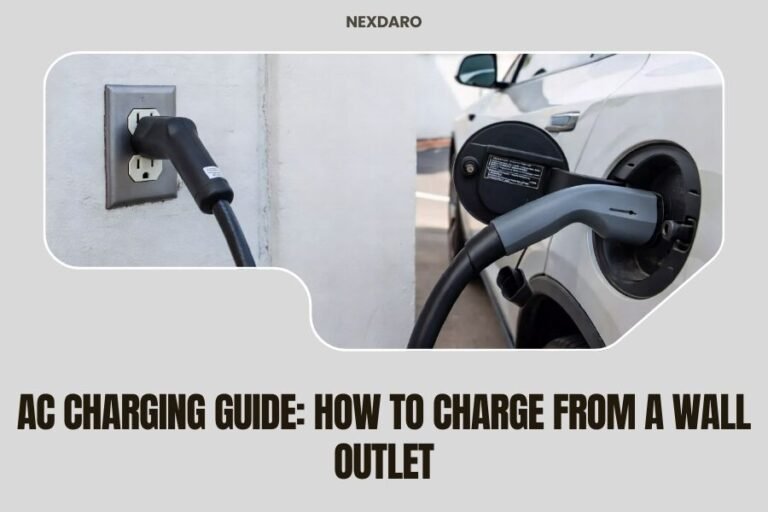
AC charging your portable power station from a wall outlet typically takes 4-12 hours depending on the battery capacity and charging speed. Most power stations charge fastest through AC wall…
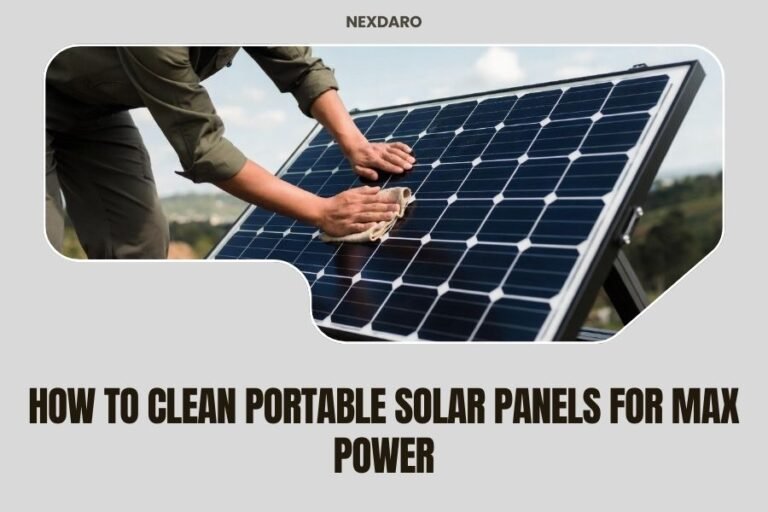
Clean portable solar panels every 2-4 weeks by gently wiping them with a damp microfiber cloth to remove dust, dirt, and debris that blocks sunlight. Regular cleaning can boost your…