Using a Power Station with Your Smart Home
A power station can seamlessly integrate with your smart home by providing backup power to essential devices like smart hubs, security systems, and Wi-Fi routers during outages. You’ll need to…


A power station can seamlessly integrate with your smart home by providing backup power to essential devices like smart hubs, security systems, and Wi-Fi routers during outages. You’ll need to…

To test power station capacity at home, use a multimeter to check voltage levels and connect known wattage devices to measure actual runtime against manufacturer claims. The most accurate method…

Using a multimeter on a power station involves connecting the multimeter probes to the appropriate ports and selecting the correct measurement mode to test voltage, current, or battery capacity. You’ll…

DIY weatherproofing for portable power stations involves using silicone sealants, waterproof enclosures, and proper ventilation to protect against moisture, dust, and extreme temperatures. You can weatherproof your power station with…

Power stations offer better versatility and portability, while leisure batteries provide more cost-effective long-term power for fixed setups like caravans and boats. The best choice depends on whether you need…
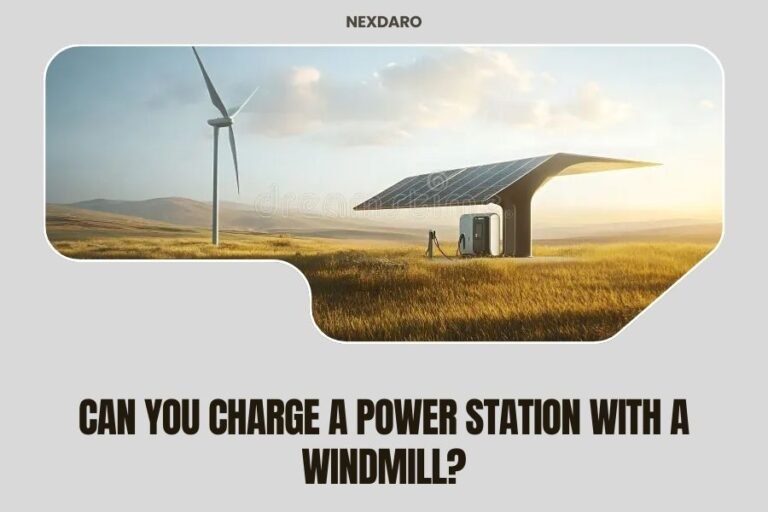
Yes, you can charge a power station with a windmill by connecting a wind turbine to your portable power station through compatible charging ports or an inverter system. Wind turbines…
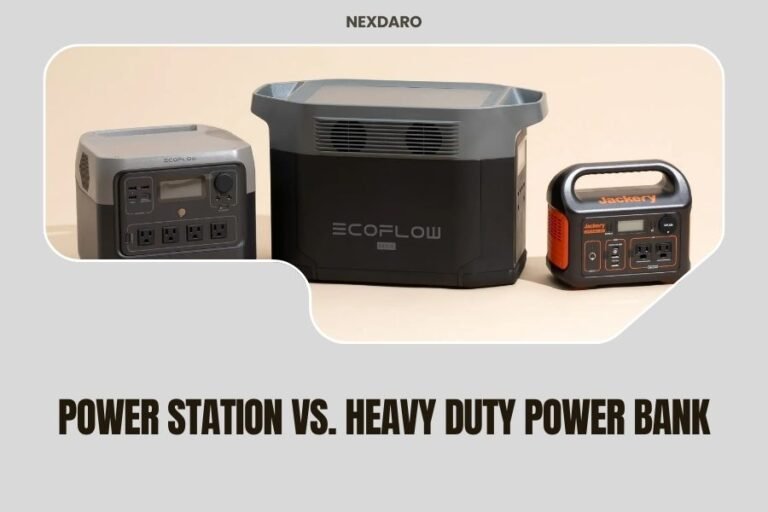
A power station offers more capacity and versatile outlets while a heavy duty power bank focuses on portability and USB charging for smaller devices. The main difference between power station…
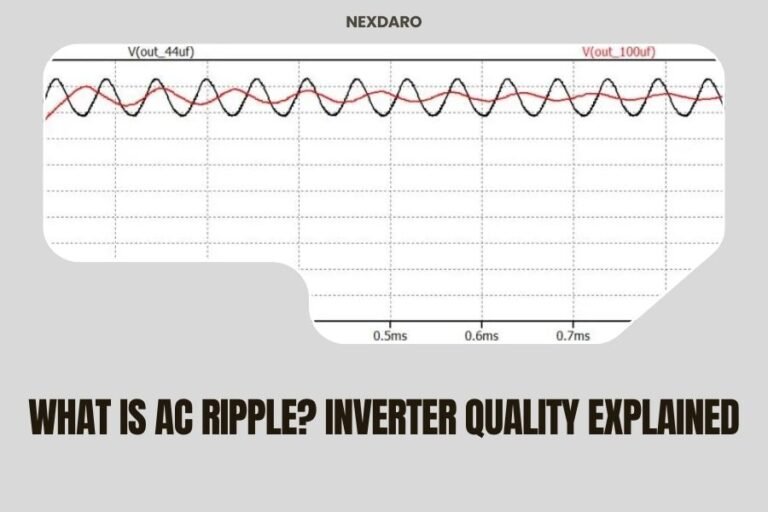
AC ripple is the unwanted alternating current variation that appears in your portable power station’s DC output, typically measuring less than 5% in quality inverters. This electrical noise can damage…

Some 12V outlets are unregulated because they provide direct battery power without voltage stabilization circuits, making them cheaper to produce and lighter in weight. Unregulated 12V outlets fluctuate with your…

DC charging is generally 10-15% more efficient than AC charging for laptops because it skips the power conversion step that wastes energy as heat. When you charge a laptop using…