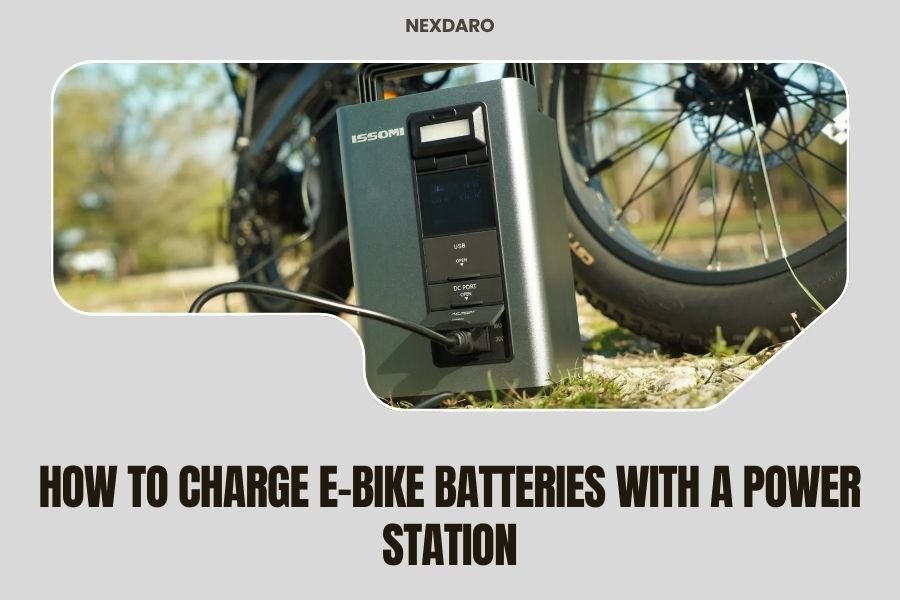
You can charge e-bike batteries with a power station by connecting the bike’s charger to the station’s AC outlet or using a compatible DC output port.
Most portable power stations with 500Wh capacity or higher can fully charge standard e-bike batteries, making them perfect for camping trips and remote adventures.
Running out of battery power on your e-bike during a long ride can turn your adventure into a nightmare. But what if you could bring your own charging station anywhere you go?
I researched portable power solutions and found that modern power stations make e-bike charging surprisingly simple. You don’t need fancy equipment or technical skills.
What You Need to Charge Your E-Bike with a Power Station
Charging your e-bike battery requires just two things: a compatible power station and your bike’s original charger. That’s it.
Your e-bike charger works the same way whether plugged into your wall outlet at home or a portable power station. The power station acts like a mobile wall outlet.
Power Station Capacity Requirements
Most e-bike batteries range from 400Wh to 700Wh. Your power station needs more capacity than your bike battery to account for energy loss during charging.
I found that experts recommend choosing a power station with at least 20% more capacity than your bike battery. So for a 500Wh e-bike battery, you’d want a 600Wh power station minimum.
Common E-Bike Battery Sizes
- Small commuter bikes: 300-400Wh
- Standard e-bikes: 500-600Wh
- Mountain and cargo e-bikes: 700-1000Wh
- High-performance bikes: 1000Wh+
Compatible Charger Types
Your e-bike came with a specific charger designed for your battery. This charger will work with any power station that has the right output ports.
Most e-bike chargers plug into standard AC outlets. Some newer models can use DC charging for faster speeds.
How to Connect Your E-Bike Charger to a Power Station
The connection process takes less than two minutes. You’re basically creating a mobile charging setup.
Step-by-Step Connection Guide
Turn on your power station first. Check that it shows adequate battery level on its display.
Plug your e-bike charger into the power station’s AC outlet. You should hear a small click when it connects properly.
Connect the charger to your e-bike battery. Most batteries have a charging port separate from where they mount on the bike frame.
Watch for the charging indicator light on your charger. It typically turns red during charging and green when complete.
Safety Check Before Charging
Make sure all connections are secure and dry. Water and electricity don’t mix well, especially outdoors.
Place both the power station and e-bike in a shaded area. Direct sunlight can overheat batteries during charging.
Charging Time and Power Consumption
Charging times depend on your battery size and charger output. Most standard e-bike chargers output between 2-4 amps.
A typical 500Wh e-bike battery takes 4-6 hours to charge completely from empty. Fast chargers can cut this time in half.
Power Station Drain During Charging
Power stations lose some energy during the charging process. This loss typically ranges from 10-15% due to power conversion.
I found research showing that AC charging through a power station is about 85-90% efficient. DC charging can be slightly more efficient at 90-95%.
Real-World Charging Examples
| E-Bike Battery | Power Station Needed | Charging Time |
|---|---|---|
| 400Wh | 500Wh minimum | 3-4 hours |
| 600Wh | 750Wh minimum | 5-6 hours |
| 800Wh | 1000Wh minimum | 6-8 hours |
Best Power Station Features for E-Bike Charging
Not all power stations work equally well for e-bike charging. Some features make the process much smoother.
Multiple Output Options
Look for power stations with both AC outlets and DC ports. This gives you flexibility for different charging methods.
USB-C ports with higher wattage can charge some smaller e-bike batteries directly. This method is more efficient than using AC outlets.
Pure Sine Wave Output
Your e-bike charger works best with pure sine wave power. Modified sine wave can work but may charge slower or create heat issues.
Most quality power stations now include pure sine wave inverters. Check the specifications before buying.
Fast Recharge Capability
You want a power station that recharges quickly when you’re back home. Solar charging capability adds even more flexibility for long trips.
Many modern units can recharge from 0-80% in under two hours using AC wall charging.
Portable Power Station Size Considerations
Bigger capacity means more weight to carry. You need to balance charging needs with portability for your specific use case.
Weight vs. Capacity Trade-offs
A 500Wh power station typically weighs 12-15 pounds. A 1000Wh unit can weigh 20-25 pounds.
Consider how you’ll transport the power station. Car camping allows bigger units. Bike touring requires lightweight options.
Mounting and Transport Options
Some power stations come with carrying cases or straps. Others have built-in handles for easy transport.
You might mount a smaller power station directly on your e-bike frame for extended range. This creates a mobile charging system.
Charging Multiple E-Bike Batteries
Family bike trips often mean multiple e-bikes needing power. Plan your power station capacity accordingly.
A 1500Wh power station can typically charge two standard e-bike batteries with some capacity left over for other devices.
Sequential vs. Simultaneous Charging
Charging one battery at a time is more efficient and puts less strain on your power station. But it takes longer.
Simultaneous charging works if your power station has enough wattage output. Check that total charger wattage doesn’t exceed the station’s limit.
Managing Multiple Chargers
Keep track of which charger belongs to which bike. Different e-bike brands often use different charging voltages.
Label your chargers or use different colored tape to avoid confusion during group trips.
Cost Analysis: Power Station vs. Spare Batteries
Should you buy a power station or just carry spare e-bike batteries? The math depends on your usage patterns.
Spare e-bike batteries cost $300-800 each. A good power station costs $400-1200 but can charge multiple devices.
Long-term Value Comparison
Power stations charge phones, laptops, lights, and other camping gear. Spare batteries only power your e-bike.
I researched user experiences and found that most people prefer power stations for their flexibility. You get more value for your money.
Break-even Point Analysis
If you only need e-bike power, spare batteries might cost less initially. But power stations become more economical as you add other charging needs.
Consider how often you’ll use the power station beyond e-bike charging. Weekly camping trips justify the investment quickly.
Solar Charging Your Power Station
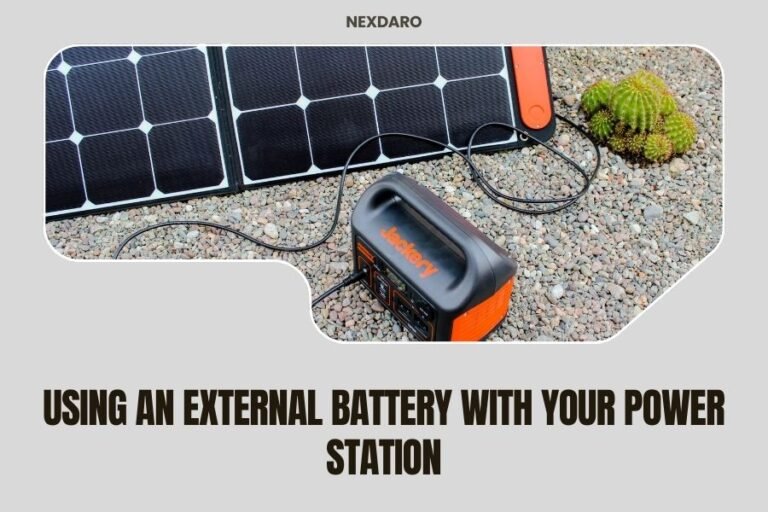
Solar panels can recharge your power station during the day while you ride. This creates unlimited e-bike range for long tours.
A 100W solar panel can add 400-500Wh to your power station on a sunny day. That’s almost a full e-bike battery charge.
Solar Panel Compatibility
Most power stations work with standard solar panels through MC4 connectors or specialized input ports.
Foldable solar panels pack smaller but typically cost more per watt than rigid panels. Choose based on your transport method.
Realistic Solar Charging Expectations
Solar charging works best in direct sunlight between 10 AM and 4 PM. Cloudy days produce much less power.
Plan for 3-4 hours of good sun to meaningfully recharge your power station. Morning charging while you break camp works well.
Common Charging Problems and Solutions
Even simple systems sometimes have issues. Here are the most common problems I found in user reports.
Charger Won’t Start
Check that your power station has enough battery remaining. Most units shut off automatically when power gets too low.
Some chargers need pure sine wave power to start properly. Modified sine wave might not work with sensitive electronics.
Slow Charging Issues
High temperatures slow down battery charging speeds. Move your setup to a cooler location if possible.
Aging e-bike batteries also charge slower. This is normal after 2-3 years of regular use.
Power Station Overload Protection
Your power station might shut off if you connect too many devices at once. Check the total wattage of all connected items.
Most e-bike chargers use 100-200W. Leave plenty of margin below your power station’s maximum output rating.
Maintenance Tips for Long-term Success
Both power stations and e-bike batteries last longer with proper care. A few simple habits make a big difference.
Battery Storage Best Practices
Store your power station at 50-60% charge for long periods. Full charge or empty storage can damage lithium batteries.
Recharge your power station every 3-4 months if not in regular use. This prevents deep discharge damage.
Temperature Management
Avoid charging in extreme temperatures. Cold weather slows charging while heat can damage batteries.
Bring batteries inside if camping in freezing conditions. Charge them at room temperature when possible.
Advanced Charging Techniques
Once you master basic charging, these advanced methods can improve efficiency and convenience.
DC-to-DC Charging
Some newer e-bikes support DC charging directly from power station DC ports. This skips the AC conversion step for better efficiency.
You’ll need the right DC cable and voltage matching. Check your e-bike manual for DC charging compatibility.
Smart Charging Timers
Charge your e-bike during cooler parts of the day for best battery health. Early morning or evening works well.
Some power stations have programmable outlets that can start charging automatically at set times.
Conclusion
Charging e-bike batteries with a power station opens up endless adventure possibilities. You’re no longer limited by the distance to the nearest outlet.
The process is straightforward: match your power station capacity to your e-bike battery size, use your original charger, and plan for 4-6 hours charging time. Add solar panels for truly unlimited range.
Your investment in a quality power station pays off quickly when you consider the flexibility it provides. You can charge phones, cameras, lights, and other gear alongside your e-bike battery.
Start with a power station that’s 20% larger than your e-bike battery capacity. You can always upgrade later as your needs grow.
Can I use any power station to charge my e-bike battery?
Most power stations work fine as long as they have enough capacity and pure sine wave output. Check that the power station can handle your charger’s wattage requirements and has the right outlet type.
How many times can a 1000Wh power station charge my e-bike?
A 1000Wh power station can fully charge a 500Wh e-bike battery about 1.7 times, accounting for conversion losses. For a 400Wh battery, you’d get about 2.2 full charges.
Is it safe to charge e-bike batteries outdoors with a power station?
Yes, it’s safe when you keep all connections dry and avoid extreme temperatures. Place both the power station and e-bike in shade and never charge in rain or snow without proper weatherproof covers.
Can I charge my e-bike while riding using a power station?
Some riders mount small power stations on their bikes for extended range, but this adds significant weight. It’s more practical to charge during rest stops rather than while riding.
What size solar panel do I need to keep my power station charged for e-bike use?
A 100-200W solar panel can maintain most power stations for regular e-bike charging in good sun conditions. Larger panels charge faster but are harder to transport and set up.