
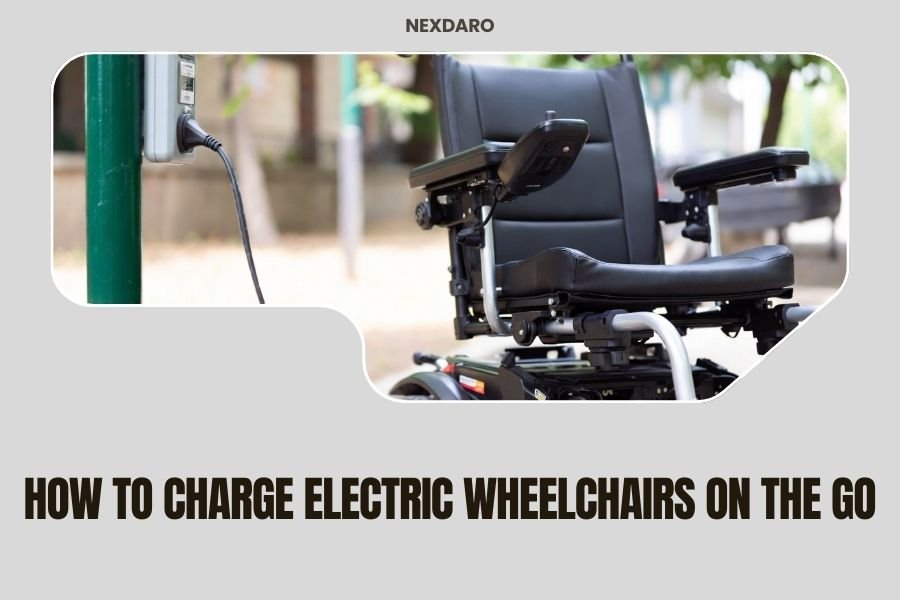
You can charge electric wheelchairs on the go using portable power stations, car chargers, or by finding accessible charging outlets during your trips.
Most electric wheelchairs need 24V charging, and planning your power needs ahead of time makes outdoor adventures much safer and more enjoyable.
Running out of battery power in your electric wheelchair during an outing can turn a fun day into a stressful situation. Whether you’re camping, visiting a festival, or spending a long day at the beach, keeping your wheelchair charged gives you freedom and peace of mind.
I researched the best ways to keep electric wheelchairs powered during outdoor activities. From portable power stations to car adapters, there are several reliable options that work for different situations and budgets.
Understanding Your Electric Wheelchair’s Power Needs
Before you head out, you need to know your wheelchair’s basic power requirements. Most electric wheelchairs use 12V or 24V systems, with 24V being more common for full-size models.
Check your user manual or look at the charging port label. You’ll see voltage and amperage numbers that tell you exactly what kind of charger you need. Write these down or take a photo with your phone.
Battery Capacity Basics
Electric wheelchairs typically have battery capacities between 35Ah and 75Ah. Higher numbers mean longer range but also longer charging times.
A 50Ah battery at 24V holds about 1,200 watt-hours of energy. This helps you calculate how big of a backup power source you’ll need.
Daily Usage Planning
Think about how you’ll use your wheelchair during your outing. Rough terrain, hills, and frequent stops drain batteries faster than smooth, flat surfaces.
Plan for about 20-30% extra power beyond what you normally use. This safety buffer prevents you from getting stranded.
Portable Power Stations for Wheelchair Charging
Portable power stations are like giant phone chargers for your wheelchair. They store electricity that you can use anywhere, anytime.
These battery packs come in different sizes. Smaller ones weigh 10-20 pounds and work for emergency top-ups. Larger models can fully charge your wheelchair multiple times.
Choosing the Right Size Power Station
For wheelchair charging, look for power stations with at least 500Wh capacity. This gives you roughly half a charge for most wheelchairs.
If you want full charging capability, aim for 1,000-1,500Wh models. These are heavier but provide complete peace of mind for longer trips.
Key Features to Look For
Make sure your power station has the right output options. You need either a 12V car outlet or AC outlets that work with your regular charger.
Look for models with multiple charging methods. Solar panels, car charging, and wall charging give you flexibility in different situations.
Battery Chemistry Considerations
Lithium iron phosphate (LiFePO4) batteries last longer and work better in temperature extremes. They cost more upfront but provide better long-term value.
Standard lithium-ion batteries are cheaper and lighter. They work fine for occasional use and moderate weather conditions.
Car-Based Charging Solutions
Your vehicle can become a mobile charging station with the right equipment. This works great for day trips and road travel.
Most cars provide 12V power through cigarette lighter outlets. You can use this to charge your wheelchair, though it takes longer than regular wall charging.
12V Car Chargers
Many wheelchair manufacturers make 12V car adapters for their models. These plug directly into your car’s power outlet and charge your wheelchair while driving.
Car charging usually takes 2-3 times longer than home charging. Plan your drive times to include charging periods.
Power Inverters for AC Charging
Power inverters convert your car’s 12V power to 120V AC power. This lets you use your regular home charger in the car.
Choose an inverter with at least 400W capacity for wheelchair charging. Pure sine wave inverters work better with sensitive electronics.
Installation Tips
Connect larger inverters directly to your car battery, not through the cigarette lighter. This prevents blown fuses and provides stable power.
Always run your engine while charging to avoid draining your car battery. A dead car battery creates bigger problems than a dead wheelchair battery.
Solar Charging Options
Solar panels provide clean, renewable power for wheelchair charging. They work best during sunny conditions and longer outdoor stays.
Portable solar panels fold up for easy transport. You can set them up at campsites, beaches, or anywhere with good sun exposure.
Solar Panel Sizing
For direct wheelchair charging, you need at least 100W of solar panels. This provides slow but steady charging during peak sun hours.
Combining 200-400W of solar with a power station gives you faster charging and energy storage for cloudy periods.
Solar Charging Controllers
Solar charge controllers protect your wheelchair batteries from overcharging and voltage spikes. MPPT controllers work better than PWM types for wheelchair applications.
Many portable power stations include built-in solar controllers. This simplifies setup and reduces the equipment you need to carry.
Finding Public Charging Options
More public spaces now offer charging stations for mobility devices. Airports, shopping centers, and parks often have dedicated charging areas.
Call ahead to venues you plan to visit. Ask about accessible outlets and charging policies. Many places are happy to help when you explain your needs.
Outlet Types and Adapters
Standard wall outlets work with your regular charger. Bring extension cords to reach outlets that might be far from seating areas.
Some public spaces have USB charging stations. These don’t work for wheelchairs, so don’t count on them for power.
Etiquette and Safety
Always ask permission before plugging into outlets at businesses or events. Most people understand medical equipment needs and will accommodate you.
Secure your charging cables to prevent tripping hazards. Use bright tape or cable covers to make cords visible to other people.
Emergency Backup Strategies
Even with good planning, things can go wrong. Having backup plans keeps you safe when primary charging methods fail.
Carry emergency contact numbers for local medical equipment suppliers. They often provide emergency charging services or loaner equipment.
Spare Battery Considerations
Some wheelchair users carry spare batteries for extended outings. This doubles your range but adds weight and complexity.
Spare batteries need their own charging setup. Factor this into your power planning and equipment choices.
Backup Transportation
Know how to get help if your wheelchair stops working completely. Ride-share services, public transit, and emergency services can provide alternatives.
Keep phone numbers for accessible transportation services in your area. Program them into your phone before you need them.
Safety and Maintenance Tips
Outdoor charging exposes equipment to weather, dirt, and temperature changes. Protecting your gear extends its life and prevents failures.
Keep charging equipment dry using waterproof bags or covers. Moisture damage can destroy expensive chargers and power stations.
Temperature Considerations
Extreme heat and cold affect battery performance and charging speed. Shade your equipment during hot weather and insulate it in cold conditions.
Most wheelchair batteries work best between 50-80°F. Outside this range, expect reduced performance and longer charging times.
Regular Equipment Checks
Test your portable charging equipment before every trip. Dead power stations or broken cables can ruin outdoor plans.
Check all connections for corrosion or damage. Clean battery terminals and charging ports to maintain good electrical contact.
Budget-Friendly Solutions
You don’t need to spend thousands on charging equipment. Simple solutions often work just as well as expensive setups.
Car chargers cost $50-100 and work for many situations. They’re a great starting point for occasional outdoor activities.
DIY Options
Basic power inverters and deep cycle batteries create affordable charging stations. Marine batteries work well and cost less than specialized power stations.
Add a simple battery monitor to track power levels. This prevents over-discharge and extends battery life.
Rental and Sharing Options
Some areas have equipment rental services for mobility devices. This works well for vacation travel where shipping equipment is expensive.
Connect with other wheelchair users in your area. Sharing charging equipment reduces costs and builds community connections.
Planning Your Charging Schedule
Good timing turns charging from a chore into part of your normal routine. Plan charging during natural break times like meals or rest periods.
Most wheelchair batteries charge fastest when they’re not completely empty. Top them off whenever you have access to power.
Creating a Power Budget
| Activity Level | Daily Power Use | Recommended Backup |
|---|---|---|
| Light use (smooth surfaces) | 20-30% | 500Wh power station |
| Moderate use (mixed terrain) | 40-60% | 1000Wh power station |
| Heavy use (rough terrain, hills) | 70-90% | 1500Wh+ power station |
Weather Impact Planning
Cold weather reduces battery capacity by 10-20%. Hot weather makes batteries charge slower and can trigger safety shutoffs.
Plan extra charging time and capacity for extreme weather days. Your wheelchair will need more power and take longer to charge.
Technology Advances
Wheelchair charging technology keeps improving. Newer models often have better battery management and faster charging capabilities.
Wireless charging pads are being developed for some wheelchair models. These could make outdoor charging even more convenient in the future.
Smart Charging Features
Some new wheelchairs have smartphone apps that show battery levels and charging status. This helps you plan power stops more accurately.
Smart chargers automatically adjust charging rates based on battery condition and temperature. They’re safer and can extend battery life.
Conclusion
Charging your electric wheelchair on the go opens up a world of outdoor possibilities. From portable power stations to car chargers, you have many options that fit different needs and budgets.
The key is understanding your power requirements and planning ahead. Start with simple solutions like car chargers, then add more advanced equipment as your outdoor activities expand. With the right charging setup, you can explore confidently knowing your mobility won’t be limited by battery life.
Remember that backup plans are just as important as primary charging methods. Keep emergency contacts handy and know your options if equipment fails. This preparation lets you focus on enjoying your outdoor adventures instead of worrying about power.
Can I charge my electric wheelchair with a regular car jump starter?
Most car jump starters don’t have the right outputs for wheelchair charging. They’re designed for short bursts of high current, not the steady, controlled charging wheelchairs need. Stick with dedicated power stations or proper car chargers for safe, effective charging.
How long do portable power stations take to recharge after use?
Recharge times vary by power station size and charging method. Wall charging typically takes 6-8 hours for mid-size units. Solar charging can take 8-12 hours in good sun conditions. Car charging while driving usually takes 10-14 hours for a full recharge.
Will charging my wheelchair drain my car battery completely?
Charging with the engine running won’t drain your car battery. However, charging with the engine off can drain smaller car batteries in 2-4 hours. Always run your engine during charging, or use a deep cycle auxiliary battery system for longer charging sessions.
Can I leave my wheelchair plugged into a power station overnight?
Modern wheelchair chargers and power stations have built-in safety features that prevent overcharging. It’s generally safe to leave them connected overnight. However, check your equipment manuals first, as some older chargers may not have automatic shutoff features.
What’s the difference between pure sine wave and modified sine wave inverters for wheelchair charging?
Pure sine wave inverters produce cleaner power that’s identical to home electricity. They work better with sensitive wheelchair chargers and produce less heat and noise. Modified sine wave inverters are cheaper but may cause charging problems or reduce charger lifespan in some wheelchair models.