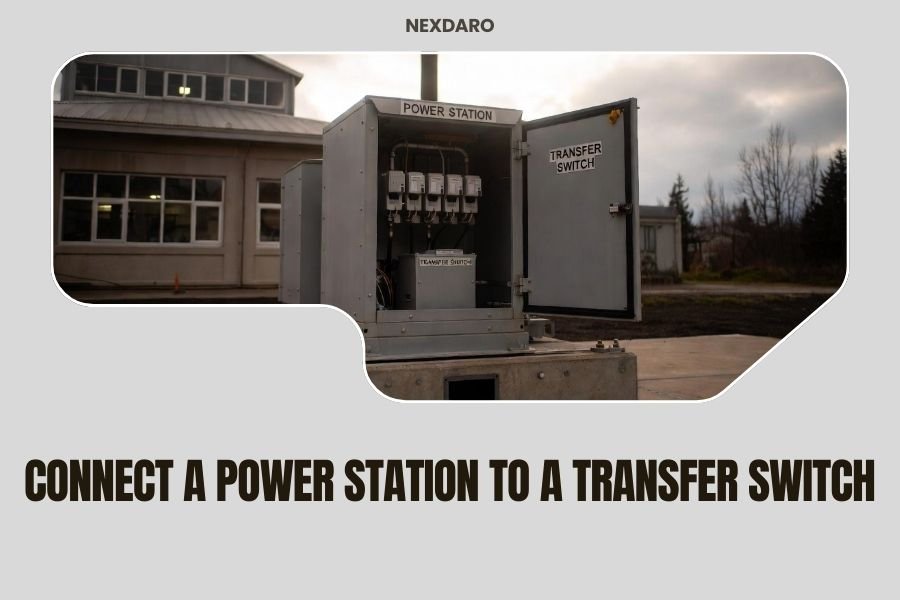
Yes, you can connect a power station to a transfer switch, but it requires an automatic transfer switch (ATS) or manual transfer switch compatible with your power station’s output specifications.
The connection involves matching voltage requirements, proper grounding, and using appropriate cables to safely integrate your portable power station with your home’s electrical system.
What You Need to Know About Power Station Transfer Switch Connections
Connecting your portable power station to a transfer switch sounds complex, but it’s actually straightforward once you understand the basics. Think of a transfer switch as a traffic controller for electricity – it directs power flow between your main grid and backup source.
Most modern power stations work well with transfer switches. The key is matching specifications and following safety protocols. You’ll get seamless backup power without the noise and emissions of traditional generators.
Types of Transfer Switches That Work With Power Stations
Automatic Transfer Switches (ATS)
Automatic transfer switches detect power outages and switch to your power station within seconds. These units cost more but offer convenience during emergencies.
Most ATS units work with power stations that output 120V or 240V. Check your power station’s specifications before purchasing. Popular brands like Generac and Kohler make compatible models.
Manual Transfer Switches
Manual switches require you to flip them by hand when power goes out. They’re cheaper and simpler to install. You’ll save money but need to be home to activate backup power.
These switches work great for planned outages or situations where you’re monitoring power closely. Installation is often easier than automatic versions.
Power Station Requirements for Transfer Switch Connection
Voltage Output Specifications
Your power station needs proper voltage output to work with a transfer switch. Most residential systems need 120V for basic circuits or 240V for heavy appliances.
Check these specifications on your power station:
- AC output voltage (120V, 240V, or both)
- Maximum wattage capacity
- Pure sine wave output (required for sensitive electronics)
- Frequency stability (60Hz for North American systems)
Connection Port Types
Your power station needs the right output ports for transfer switch connection. Look for 30-amp or 50-amp twist-lock outlets. These provide stable, high-capacity connections.
Some power stations include hardwire terminals for direct connection. This option works better for permanent installations but requires electrical expertise.
Common Power Station Output Configurations
| Port Type | Voltage | Typical Use |
|---|---|---|
| NEMA L14-30 | 120V/240V | Whole house backup |
| NEMA L5-30 | 120V | Essential circuits only |
| Anderson Powerpole | 12V DC | DC applications only |
Installation Process Step by Step
Planning Your Installation
Start by identifying which circuits you want to back up during outages. Essential items include refrigeration, lighting, and communication devices. Skip energy-hungry appliances like electric water heaters or central air conditioning.
Calculate your total power needs. Add up the wattage of devices you’ll run simultaneously. Your power station must exceed this total by at least 20% for safe operation.
Electrical Panel Preparation
Your electrician will install the transfer switch near your main electrical panel. This requires creating a separate sub-panel for backed-up circuits.
The process involves moving selected breakers to the new sub-panel. These circuits will receive power from your power station during outages.
Safety Requirements During Installation
Always turn off main power before starting any electrical work. Most areas require permits for transfer switch installations. Hire a licensed electrician unless you have extensive electrical experience.
Proper grounding is essential for safety. Your power station’s ground must connect to your home’s grounding system through the transfer switch.
Wiring the Connection
The connection between your power station and transfer switch typically uses a heavy-duty extension cord or hardwired connection. Cord connections offer flexibility but limit power capacity.
Hardwired connections handle more power and provide permanent installation benefits. You’ll need an inlet box installed on your home’s exterior for the power station connection.
Choosing the Right Cable
Cable selection depends on your power station’s output and distance to the transfer switch. Longer runs require thicker cables to prevent voltage drop.
Most installations use 10-gauge or 12-gauge cables for 30-amp connections. Higher-capacity systems may need 6-gauge or 8-gauge cables.
Compatibility Considerations
Power Station Size Matching
Your power station’s capacity determines how many circuits you can back up. Smaller units (1000-2000 watts) handle essential items like lights, phones, and small appliances.
Larger power stations (3000+ watts) can run refrigerators, freezers, and multiple rooms of lighting. Match your power station size to your actual backup power needs.
Transfer Switch Load Ratings
Transfer switches have maximum load ratings that must match or exceed your power station’s output. A 30-amp transfer switch works with power stations up to 3600 watts at 120V.
Don’t oversize your transfer switch significantly. Larger switches cost more and don’t provide additional benefits if your power station can’t fill the capacity.
Inverter Quality Requirements
Pure sine wave inverters work best with transfer switches. Modified sine wave outputs can cause problems with sensitive electronics and some transfer switch controls.
Most quality power stations include pure sine wave inverters. Check this specification before purchasing if you plan transfer switch integration.
Safety Considerations and Code Requirements
Electrical Code Compliance
National Electrical Code (NEC) requirements apply to transfer switch installations. Local codes may add additional requirements. Always check with local authorities before starting installation.
Key code requirements include proper grounding, adequate circuit protection, and correct conductor sizing. Professional installation ensures code compliance.
Grounding and Bonding
Proper grounding protects against electrical shock and equipment damage. Your power station’s ground must connect to your home’s grounding electrode system.
Some power stations require neutral bonding for transfer switch operation. Check manufacturer requirements for your specific model.
Preventing Backfeed
Transfer switches prevent dangerous backfeed to utility lines. This protects utility workers during power restoration. Never bypass transfer switch safety features.
Proper transfer switch operation ensures your power station only powers selected circuits, not the entire electrical grid.
Cost Analysis and Budgeting
Equipment Costs
Manual transfer switches cost $200-800 depending on capacity and features. Automatic switches range from $500-2000 for residential applications.
Installation costs vary by complexity and local labor rates. Expect $500-1500 for professional installation in most areas.
Long-term Value
Transfer switch installation increases your power station’s usefulness and your home’s resale value. You’ll have convenient backup power without extension cords running through windows.
Compare costs to whole-house generators. Power station plus transfer switch combinations often cost less and require less maintenance.
Troubleshooting Common Issues
Connection Problems
Loose connections cause voltage drops and overheating. Check all connections regularly and tighten as needed. Corroded connections need cleaning or replacement.
Voltage compatibility issues cause equipment problems. Verify your power station outputs match transfer switch requirements before connecting.
Power Quality Issues
Some sensitive electronics may not work well with certain power stations. LED lights might flicker or dim. Try different circuits or upgrade to higher-quality power stations.
Frequency drift can cause timing issues with clocks and some appliances. Quality power stations maintain stable 60Hz output under normal loads.
Conclusion
Connecting your power station to a transfer switch creates a professional backup power system that’s safer and more convenient than extension cord solutions. The investment in proper equipment and installation pays off through years of reliable emergency power.
Remember to match your power station’s specifications with compatible transfer switch ratings. Professional installation ensures safety and code compliance. You’ll have peace of mind knowing your essential systems stay powered during outages.
Can I install a transfer switch myself with my power station?
While technically possible if you have electrical experience, most areas require licensed electrician installation for transfer switches. The electrical connections involve your main panel and require permits in most jurisdictions.
How long will my power station run through a transfer switch?
Runtime depends on your power station’s battery capacity and connected load. A 2000Wh power station running 500 watts of essential items will last about 3-4 hours. Reduce load to extend runtime significantly.
Do I need a special power station for transfer switch connection?
You need a power station with appropriate AC output ports (typically 30-amp twist-lock) and sufficient wattage for your backed-up circuits. Pure sine wave output is recommended for compatibility with sensitive electronics.
Will my transfer switch work automatically with a power station?
Automatic transfer switches can work with power stations, but the power station must be manually started and connected. Unlike generators, most power stations don’t auto-start when the transfer switch activates.
What happens if my power station runs out of battery during an outage?
When the battery depletes, your backed-up circuits will lose power until you recharge the power station or utility power returns. Manual transfer switches let you easily switch back to utility power when available.