Emergency lighting with portable power stations provides instant backup illumination when grid power fails, lasting 8-72 hours depending on your power station capacity and lighting choices.
You can power LED lights, work lamps, and even small appliances during outages by connecting them to a portable power station through AC outlets, USB ports, or 12V connections.
What Makes Portable Power Stations Perfect for Emergency Lighting
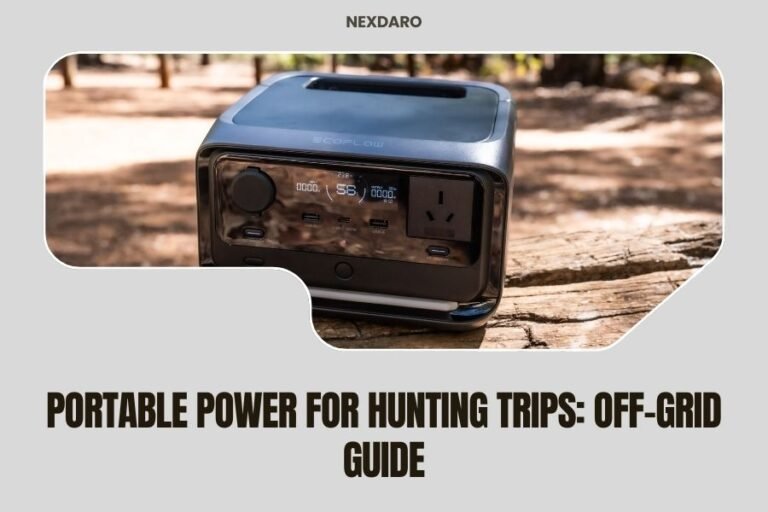
Think of a portable power station as your personal power plant. These battery-powered units store energy you can tap into when the lights go out.
Unlike noisy gas generators, they run silently. You won’t wake the neighbors or deal with exhaust fumes. They’re also safer indoors since there’s no risk of carbon monoxide poisoning.
Most units charge from wall outlets, solar panels, or even your car. This gives you multiple ways to keep your emergency power ready.
Key Features That Matter Most
Battery capacity tops the list. Measured in watt-hours (Wh), this tells you how long your lights will run. A 500Wh unit powering a 10W LED bulb gives you about 50 hours of light.
Output options come next. Look for AC outlets, USB ports, and 12V sockets. This variety lets you power different types of lighting equipment.
Charging speed affects how quickly you can refill your power bank after an outage. Fast-charging units get you back to full power in 2-6 hours.
Choosing the Right Size Power Station
Your power needs determine what size you should buy. Small outages call for different solutions than multi-day blackouts.
Small Units (200-500Wh)
Perfect for basic lighting needs. These handle LED bulbs, phone charging, and small fans for 1-2 days.
Weight usually stays under 15 pounds. You can easily move them between rooms or take them camping.
Price points make these accessible for most budgets, typically ranging $200-400.
Medium Units (500-1000Wh)
The sweet spot for most homes. You get enough power for multiple lights, devices, and small appliances for 2-3 days.
These units can run a mini-fridge, keeping medications cold during extended outages. They also power laptops for remote work if needed.
Large Units (1000Wh+)
Built for serious backup needs. These powerhouses run multiple rooms of lighting plus essential appliances for days.
Weight becomes a factor here, often 30-50+ pounds. But you get true home backup capability.
Best Lighting Options for Emergency Power
Not all lights work equally well with portable power. Your choices directly impact how long your battery lasts.
LED Bulbs and Strips
LEDs win hands down for emergency lighting. They use 80% less power than old incandescent bulbs while producing the same brightness.
A typical LED bulb draws 9-12 watts compared to 60-100 watts for incandescent. This difference means hours versus days of runtime.
LED strips offer flexible installation. Stick them under cabinets, along stairs, or anywhere you need pathway lighting.
Rechargeable LED Lanterns
These give you portable lighting that doesn’t drain your power station constantly. Charge them up, then use them around your home.
Many lanterns include USB charging ports, turning them into mini power stations for phones and small devices.
Work Lights and Task Lighting
LED work lights provide bright, focused illumination for specific areas. Great for kitchens, reading areas, or repair tasks.
Look for lights with dimmer controls. You can reduce brightness to save power when full output isn’t needed.
String Lights for Area Coverage
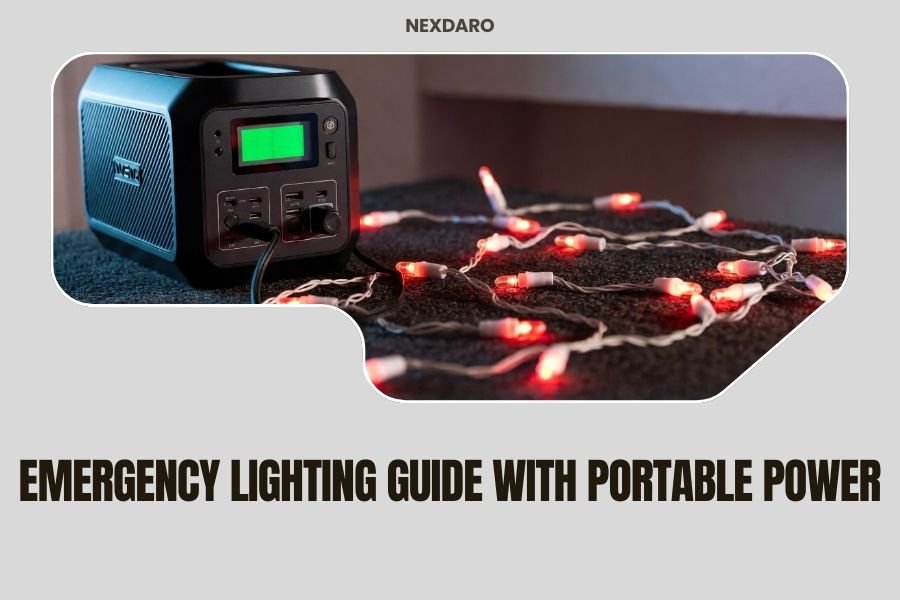
LED string lights create pleasant ambient lighting throughout large spaces. They draw very little power while covering lots of area.
Many outdoor string lights work indoors too. The weatherproof design adds durability.
Power Consumption Planning
Smart power planning helps your battery last as long as possible. You want maximum lighting with minimum drain.
| Light Type | Power Draw | Runtime (500Wh Station) |
|---|---|---|
| LED Bulb (9W) | 9 watts | 55+ hours |
| LED Lantern | 3-6 watts | 80+ hours |
| LED Work Light | 15-30 watts | 16-33 hours |
| String Lights (50ft) | 4-8 watts | 60+ hours |
Load Management Strategies
Don’t run everything at once. Rotate your lighting based on where you are and what you’re doing.
Use timers or smart switches to automatically turn lights off when not needed. Even in emergencies, you don’t need every light on all night.
Prioritize essential areas first: kitchen, bathroom, main living space. Secondary areas can wait or use battery-powered options.
Dimming for Extended Runtime
Dimmable LED lights let you balance brightness with battery life. Running lights at 50% brightness often doubles your runtime.
Your eyes adjust to lower light levels quickly. What feels dim initially becomes comfortable within minutes.
Setting Up Your Emergency Lighting System
Preparation beats scrambling in the dark. Set up your system before you need it.
Optimal Power Station Placement
Choose a central location that reaches multiple rooms. Extension cords help distribute power where needed.
Keep the unit on a hard, flat surface with good airflow. Carpets and enclosed spaces can cause overheating.
Store your power station where it stays cool and dry. Extreme temperatures reduce battery life and performance.
Creating Light Zones
Map out your lighting priorities. Which rooms need constant light? Which can share or rotate?
Main zones typically include kitchen, primary bathroom, and main living area. These get permanent lighting connections.
Secondary zones like bedrooms and extra bathrooms can use portable lanterns or rotate power station connections.
Safety Lighting Priorities
Stairways and hallways need consistent lighting to prevent falls. This takes priority over convenience lighting.
Install battery backup LED strips along stairs and main walkways. These work independently of your power station.
Maintenance and Preparation
Your emergency system only works if it’s ready when needed. Regular maintenance keeps everything operational.
Battery Care and Charging
Charge your power station every 3-6 months, even if unused. Lithium batteries lose charge over time.
Avoid storing units at 100% charge long-term. Most experts recommend 50-80% storage charge for battery health.
Temperature matters for storage. Cool, dry locations preserve battery life better than hot garages or basements.
Testing Your Setup
Run practice drills every few months. Turn off your main power and test your emergency lighting system.
Time how long different lighting combinations run. This gives you real-world data for outage planning.
Check all connections and cables during testing. Replace any damaged components before they fail during actual emergencies.
Backup Charging Options
Solar panels provide renewable charging during extended outages. Even small portable panels help extend your power station’s runtime.
Car charging cables let you recharge from your vehicle. Useful when grid power stays down but you need supplies from town.
Advanced Emergency Lighting Setups
Basic systems work fine for short outages. Longer emergencies benefit from more sophisticated approaches.
Multiple Power Station Strategy
Two smaller units often work better than one large one. You can charge one while using the other.
This approach also provides redundancy. If one unit fails, you still have backup power available.
Different family members can manage separate units, spreading the responsibility and knowledge.
Solar Integration for Extended Outages
Solar panels turn your power station into a renewable energy system. You can keep lights running indefinitely with adequate sun exposure.
Foldable solar panels balance portability with charging capability. 100-200 watt panels charge most power stations during daylight hours.
Smart Power Management
Smart plugs and timers help automate your emergency lighting. Set lights to turn on at sunset and off at sunrise automatically.
Motion sensors reduce power waste by only activating lights when needed. Especially useful for hallways and bathrooms.
Safety Considerations
Emergency lighting systems must prioritize safety over convenience. A few precautions prevent dangerous situations.
Electrical Safety
Never overload your power station’s outlets. Check the maximum wattage rating and stay well below it.
Use appropriate extension cords rated for your power needs. Undersized cords create fire hazards.
Keep all electrical connections dry. Water and electricity create deadly combinations.
Heat Management
LED lights generate less heat than traditional bulbs, but power stations can warm up under load.
Ensure adequate ventilation around your power station. Don’t cover vents or stack items on top.
If your unit feels hot or shows temperature warnings, reduce the load or let it cool down.
Child and Pet Safety
Secure cords and cables where children and pets can’t reach them. Tape down extension cords to prevent tripping.
Choose power stations with child-safe outlet covers. Some units include automatic outlet shutoffs for added protection.
Budget-Friendly Emergency Lighting Solutions
You don’t need expensive equipment to create effective emergency lighting. Smart shopping stretches your budget.
Cost-Effective Power Station Options
Entry-level units under $300 handle basic lighting needs for most homes. Focus on reputable brands with good warranties.
Refurbished units from major manufacturers often cost 20-30% less than new ones. You get the same performance with minor cosmetic imperfections.
DIY Lighting Solutions
Battery-powered LED strips cost a fraction of hardwired emergency lighting. Stick them where you need light most.
Solar-charged lawn lights work indoors during emergencies. Charge them outside during the day, bring them in at night.
Rechargeable camping lanterns provide hours of bright light for $20-50 each. Much cheaper than expanding your power station capacity.
Conclusion
Emergency lighting with portable power stations gives you reliable, safe illumination when the grid fails. The key lies in matching your power station capacity to your lighting needs while choosing efficient LED options that maximize runtime.
Start with a basic setup covering your most important rooms. You can always expand later as your budget allows. The peace of mind from having dependable emergency lighting makes the investment worthwhile.
Remember to maintain your system regularly and practice using it before emergencies strike. When the lights go out, you’ll be ready with a solution that keeps your family safe and comfortable.
How long should I charge my portable power station before first use?
Most power stations need 4-8 hours for initial charging. Check your manual for specific timing, but plan for overnight charging when you first get your unit.
Can I leave my power station plugged in all the time?
Many modern units include smart charging that prevents overcharging, but check your manual. Some manufacturers recommend unplugging after full charge to preserve battery life.
What happens if my power station gets wet during an emergency?
Turn it off immediately and let it dry completely before using. Most units aren’t waterproof, so water exposure can damage internal components or create shock hazards.
How do I know if my LED lights will work with my power station?
Check the voltage requirements on your lights. Most household LED bulbs use standard 110V AC power, which works with power station AC outlets. USB lights need USB ports, and 12V lights use 12V outlets.
Should I buy multiple small power stations or one large unit?
Multiple small units offer flexibility and redundancy but cost more overall. One larger unit provides better value per watt-hour but puts all your power in one device. Consider your budget and backup needs when deciding.