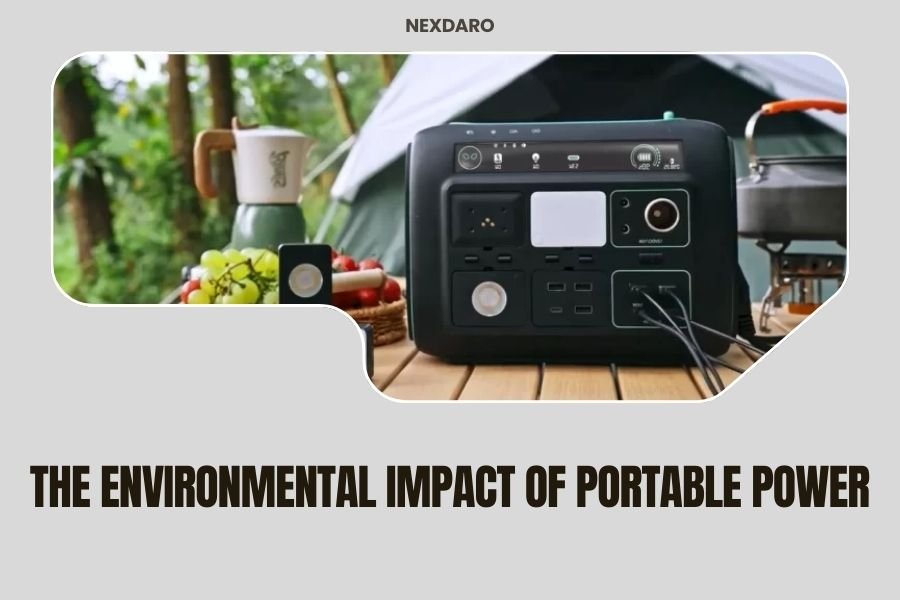
Portable power stations create less environmental harm than gas generators by producing zero direct emissions and using rechargeable battery technology.
Your choice of portable power significantly impacts air quality, carbon footprint, and waste generation depending on the power source and manufacturing materials used.
How Portable Power Stations Compare to Traditional Generators
Gas generators pump out carbon monoxide, nitrogen oxides, and particulate matter directly into the air around you. These fumes harm both local air quality and contribute to climate change.
Battery-powered stations work silently without burning fuel. No smoke, no toxic fumes, no smell. They store clean electricity that you can use anywhere.
Direct Emission Differences
A typical 2000-watt gas generator produces about 1.2 pounds of CO2 per hour of operation. That adds up fast during camping trips or power outages.
Portable power stations produce zero emissions at the point of use. The environmental impact happens earlier in the chain – during electricity generation and battery manufacturing.
Noise Pollution Benefits
Gas generators create 50-70 decibels of constant noise. That’s like having a dishwasher running next to your campsite.
Battery stations operate in complete silence. Wildlife stays undisturbed, and you can actually hear nature around you.
The Real Carbon Footprint Story
Here’s where it gets interesting. Your portable power station’s true environmental impact depends heavily on how you charge it.
Grid Charging Impact
When you plug your station into the wall, you’re using your local power grid. In areas with coal-heavy electricity, this increases your carbon footprint significantly.
States like West Virginia get 90% of electricity from coal. Charging there creates more emissions than cleaner grids in Washington or Vermont.
Solar Charging Advantages
Solar panels paired with portable power stations create the cleanest setup possible. You’re capturing energy directly from sunlight with no fuel burning anywhere in the process.
Many users report satisfaction with 100-400 watt solar panel setups that can recharge their stations during daylight hours.
Real-World Solar Performance
A 200-watt solar panel generates roughly 800-1000 watt-hours per day in good conditions. That’s enough to keep phones, lights, and small devices running indefinitely.
Cloudy days reduce output by 60-80%, so you need backup charging methods for reliable power.
Battery Chemistry and Environmental Trade-offs
Different battery types inside portable power stations have varying environmental impacts throughout their lifecycle.
Lithium Iron Phosphate (LiFePO4) Batteries
LiFePO4 batteries last 3000-5000 charge cycles compared to 500-1000 for standard lithium-ion. Longer lifespan means less frequent replacement and reduced waste.
These batteries contain no cobalt, eliminating concerns about conflict mining and child labor in cobalt extraction.
Standard Lithium-Ion Concerns
Traditional lithium-ion batteries require cobalt, often mined under poor working conditions. They also have shorter lifespans, creating more electronic waste.
Research from environmental groups shows cobalt mining can contaminate local water supplies and farmland near mining sites.
Battery Recycling Challenges
Only 3% of lithium-ion batteries get recycled properly in the United States. Most end up in landfills where toxic materials can leach into groundwater.
Call2Recycle and similar programs accept portable power station batteries, but you need to transport them to collection points yourself.
Manufacturing Environmental Impact
Building portable power stations requires mining lithium, nickel, aluminum, and rare earth elements. This process disrupts ecosystems and uses significant water resources.
Material Extraction Effects
Lithium mining in South America’s salt flats uses 500,000 gallons of water per ton of lithium extracted. This affects local communities and wildlife habitats.
Aluminum smelting for cases and heat sinks consumes large amounts of electricity, often from coal-powered plants in manufacturing countries.
Transportation Emissions
Most portable power stations ship from factories in China to global markets. Ocean freight adds roughly 50-100 pounds of CO2 emissions per unit transported.
Heavier units with larger batteries create proportionally higher shipping emissions per device.
Lifecycle Comparison Analysis
| Power Source | Initial CO2 Impact | Per-Hour Operating Emissions | Lifespan |
|---|---|---|---|
| Gas Generator | Low manufacturing | 2.5 lbs CO2/hour | 3-5 years |
| Portable Power Station | High manufacturing | 0 lbs direct emissions | 8-15 years |
| Solar + Power Station | High initial | 0 lbs after setup | 15-25 years combined |
Break-Even Point Analysis
For occasional use (10-20 hours per year), gas generators might have lower total emissions due to minimal manufacturing impact.
Regular users (100+ hours annually) see environmental benefits from portable power stations within 2-3 years of ownership.
Best Practices for Minimal Environmental Impact
You can reduce your portable power station’s environmental footprint through smart usage and charging decisions.
Optimal Charging Strategies
- Charge during off-peak hours when cleaner baseload power is available
- Use solar panels when possible, even for partial charging
- Avoid frequent partial charges that reduce battery lifespan
- Store batteries at 50-60% charge for long-term storage
Extending Equipment Lifespan
Keep your power station in moderate temperatures. Extreme heat and cold degrade batteries faster, requiring earlier replacement.
Clean solar panels monthly to maintain efficiency. Dirty panels can lose 15-25% of their power output.
Proper End-of-Life Disposal
Research local battery recycling programs before your power station reaches end-of-life. Many Best Buy and Home Depot locations accept lithium batteries.
Some manufacturers offer trade-in programs that ensure proper recycling and give you credit toward new equipment.
Regional Grid Impact Considerations
Your location dramatically affects the environmental benefits of choosing portable power stations over gas generators.
Clean Energy States
Washington, Oregon, and Vermont get most electricity from hydroelectric and renewable sources. Charging portable power stations there creates minimal additional emissions.
California’s renewable energy standards mean daytime charging often uses solar and wind power from the grid.
Coal-Heavy Regions
Wyoming, West Virginia, and parts of the Midwest still rely heavily on coal power. Grid charging in these areas reduces but doesn’t eliminate the emission benefits of battery power.
Time-of-use charging matters more in these regions. Night charging often uses cleaner natural gas instead of peak-time coal power.
Industry Trends Improving Environmental Impact
Battery technology advances are making portable power stations cleaner each year.
Next-Generation Battery Chemistry
Sodium-ion batteries entering the market use abundant materials and avoid rare earth mining. They cost less and recycle easier than current lithium batteries.
Companies are testing solid-state batteries that last longer and contain fewer toxic materials than liquid electrolyte designs.
Improved Recycling Infrastructure
Battery recycling facilities are expanding capacity. New plants can recover 95% of materials from lithium-ion batteries for reuse in new products.
Some manufacturers are designing modular power stations where you can replace just the battery pack instead of the entire unit.
Making the Right Choice for Your Situation
Your usage patterns and location determine which power option creates the least environmental harm.
When Portable Power Stations Win
- Regular use for camping, RVs, or backup power
- Access to solar panels or clean grid electricity
- Noise-sensitive environments like campgrounds
- Indoor or enclosed space power needs
When Gas Generators Might Be Better
- Infrequent emergency use only
- High power needs exceeding battery capacity
- Remote locations without solar charging options
- Budget constraints preventing solar panel purchase
Conclusion
Portable power stations offer clear environmental advantages over gas generators for most users, especially when paired with solar charging. While battery manufacturing creates upfront environmental costs, the zero-emission operation and longer lifespan typically result in lower lifetime environmental impact.
Your charging source makes the biggest difference in overall environmental benefit. Solar charging provides the cleanest option, while grid charging effectiveness varies by region. Smart usage practices like proper battery care and end-of-life recycling can further reduce your environmental footprint.
The technology continues improving with cleaner battery chemistries and better recycling programs emerging. For regular power needs, portable power stations represent a meaningful step toward cleaner outdoor recreation and emergency preparedness.
How long do portable power station batteries last environmentally?
Quality LiFePO4 batteries in portable power stations typically last 8-15 years with proper care, making them more environmentally friendly than gas generators that require constant fuel consumption and more frequent replacement.
Is solar charging always better for the environment?
Solar charging produces the lowest environmental impact once installed, but manufacturing solar panels does create upfront emissions. The environmental break-even point occurs within 1-2 years of regular solar panel use.
What happens to old portable power station batteries?
Only 3% currently get recycled properly, but new recycling facilities can recover 95% of battery materials. Many retailers and manufacturers are expanding take-back programs to improve proper disposal rates.
Do portable power stations work in all climates environmentally?
Extreme temperatures reduce battery efficiency and lifespan, increasing environmental impact. They work best in moderate climates but remain cleaner than gas generators even in challenging conditions with proper care.
Which battery type has the lowest environmental impact?
LiFePO4 batteries currently offer the best environmental profile with no cobalt mining concerns, 3000-5000 charge cycles, and better recycling potential than standard lithium-ion batteries used in cheaper units.