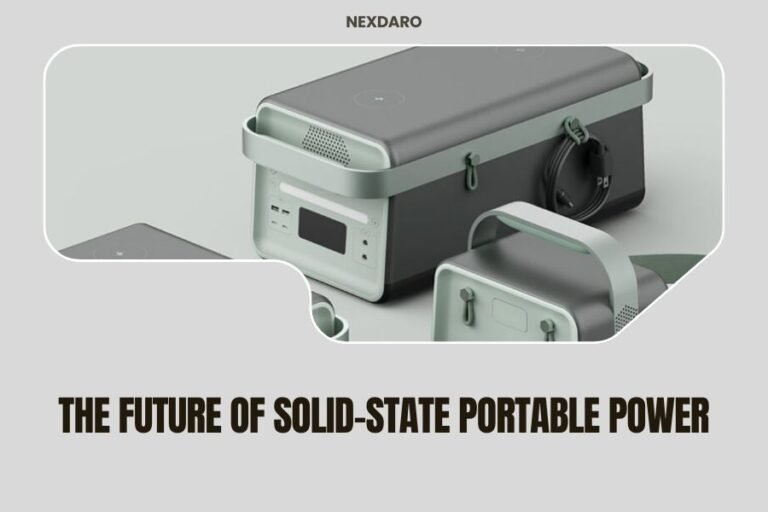
An expandable power station is a portable battery system that lets you add extra battery modules to increase its total power capacity and runtime.
You can connect multiple battery packs to your main power station unit, giving you anywhere from double to ten times more stored energy for your adventures.
How Expandable Power Stations Work
Think of an expandable power station like building blocks. You start with the main unit that has outlets, charging ports, and a built-in battery. Then you stack on extra battery modules when you need more juice.
The main power station handles all the charging and power conversion work. The extra batteries just store more energy. You connect them with special cables or ports designed for your specific brand and model.
Main Unit Components
Your base power station includes the inverter, charge controller, and display screen. It also has all your output ports like AC outlets, USB ports, and 12V sockets. This main unit stays the same size whether you add batteries or not.
Battery Module Design
Extra battery packs are usually sleek boxes with connection ports. They don’t have outlets or screens. They just hold lithium batteries and connect to your main unit through special cables.
Most brands make their battery modules the same size as the main unit. This creates a neat, stackable design that’s easy to transport and store.
Why Choose an Expandable System
You might wonder why not just buy a bigger power station from the start. Here’s the thing – flexibility beats everything when you’re planning different types of trips.
Start Small, Grow Later
You can buy the main unit first and add batteries as your needs change. Maybe you start with weekend camping and later want to power a whole RV setup. No need to replace your entire system.
Transport Made Easy
Large power stations can weigh 60-100 pounds. That’s tough to carry alone. Expandable systems let you transport multiple lighter pieces instead of one heavy brick.
Budget-Friendly Growth
You don’t need to spend thousands upfront. Start with a smaller investment and add capacity when your budget allows. This makes high-capacity power more accessible.
Popular Expandable Power Station Brands
Several companies make expandable systems, but each works differently. From what I found online, these brands lead the market with solid expansion options.
EcoFlow Delta Series
EcoFlow lets you connect multiple battery modules to their Delta Pro units. You can chain up to five extra batteries for massive capacity. Their system uses special connection cables that lock securely in place.
Bluetti AC300 System
Bluetti takes a modular approach. Their AC300 is just the inverter unit – you must buy separate battery packs. You can connect up to four B300 batteries for different capacity combinations.
Goal Zero Yeti Ecosystem
Goal Zero offers expansion through their Yeti Tank add-on batteries. These connect to compatible Yeti power stations through Anderson Powerpole connectors. The setup is user-friendly and reliable.
How to Add More Battery Capacity
Adding batteries to your expandable power station is usually straightforward. Most systems use plug-and-play connections that don’t require tools or technical skills.
Check Compatibility First
Not all battery modules work with every power station model. Check your manual or manufacturer website to find compatible expansion batteries. Using wrong batteries can damage your system.
Connection Process
Turn off your main power station before connecting new batteries. Most systems use thick cables with secure connectors. Plug the expansion battery into the designated port on your main unit.
Some brands require you to daisy-chain batteries together. Others let you connect each battery directly to the main unit. Follow your specific instructions carefully.
System Recognition
Good expandable systems automatically detect new batteries when you connect them. Your display screen should show the increased capacity within a few seconds.
Capacity Planning for Your Needs
How much extra battery do you actually need? This depends on what devices you want to power and for how long.
Calculate Your Daily Usage
List all devices you want to run and their wattage. Multiply by hours of daily use. Add 20% extra for efficiency losses and unexpected needs.
| Device | Watts | Hours/Day | Daily Usage (Wh) |
|---|---|---|---|
| LED Lights | 10W | 6 hours | 60 Wh |
| Phone Charging | 15W | 2 hours | 30 Wh |
| Small Fridge | 45W | 12 hours | 540 Wh |
| Laptop | 65W | 4 hours | 260 Wh |
Multi-Day Trip Planning
For longer adventures, multiply your daily usage by the number of days between charging opportunities. If you use 900Wh daily and camp for three days, you need at least 2,700Wh of stored power.
Cost Considerations
Expandable systems cost more per watt-hour than fixed-capacity units. You pay extra for the convenience and flexibility of modular design.
Initial Investment Comparison
A 1000Wh expandable main unit might cost $1,200. Adding a 1000Wh expansion battery could cost another $800. That’s $2,000 for 2000Wh total capacity.
A fixed 2000Wh power station might only cost $1,500. You save money but lose flexibility and portability benefits.
Long-Term Value
Expandable systems often have better long-term value if your power needs change. You avoid replacing entire systems when you need more capacity.
Charging Multiple Battery Modules
Charging gets more complex with multiple batteries. You need to understand how your system handles charging expanded capacity.
Integrated Charging
Most expandable systems charge all connected batteries through the main unit. Plug your wall charger or solar panels into the main station, and it distributes power to all batteries automatically.
Charging Time Reality
More batteries mean longer charging times. If your main unit charges at 500W, doubling your battery capacity doubles your charging time. Plan accordingly for your trips.
Solar Expansion Considerations
Adding batteries without adding solar panels creates an imbalance. You might need more or larger solar panels to keep up with your expanded capacity.
Storage and Transport Tips
Multiple battery modules require smart storage and transport strategies. Here’s what I found works best from online user reports.
Individual Module Storage
Store battery modules in cool, dry places at 50-80% charge for long-term health. Don’t stack them too high – lithium batteries are heavy and can damage each other if they fall.
Travel Organization
Use padded cases or original packaging when transporting multiple modules. Label your cables and keep them organized so setup is quick at your destination.
Common Expansion Mistakes to Avoid
I came across several mistakes people make when expanding their power stations. Learning from these can save you time and money.
Mixing Battery Types
Never mix different battery chemistries or capacities in the same system. This can cause charging problems and reduce overall performance. Stick with identical modules from the same manufacturer.
Overloading Your System
Some people think more batteries mean they can draw more power. Not true. Your inverter output stays the same regardless of battery capacity. More batteries just run longer, not stronger.
Ignoring Weight Limits
Stacking too many batteries can exceed weight limits for your RV, boat, or vehicle. Check your weight capacity before going overboard with expansion batteries.
Future-Proofing Your Purchase
Technology changes fast in the portable power world. Choose expandable systems that give you the best chance of staying current.
Brand Longevity
Stick with established brands that have been around for several years. They’re more likely to keep making compatible expansion batteries and provide support down the road.
Battery Technology Trends
Lithium iron phosphate (LiFePO4) batteries are becoming standard for expandable systems. They last longer and handle more charge cycles than older lithium-ion types.
Conclusion
Expandable power stations give you the best of both worlds – start small and grow your system as needed. You get flexibility, better portability, and the ability to match your power capacity to different adventures.
The key is choosing a quality base unit from a reputable brand, then adding compatible batteries when your needs expand. Yes, you’ll pay more per watt-hour than fixed systems, but the convenience and adaptability make it worthwhile for many outdoor enthusiasts.
Consider your current power needs, future plans, and budget when deciding if expandable systems make sense for you. They work best for people who have varying power requirements or who want to grow their capacity gradually over time.
Can I mix different brands of expansion batteries with my power station?
No, you should only use expansion batteries specifically designed for your power station model. Different brands use different voltages, communication protocols, and connection types that aren’t compatible with each other.
How many expansion batteries can I connect to one power station?
This varies by manufacturer and model. Most systems support 2-6 expansion batteries. Check your user manual or manufacturer specifications for the exact limit on your specific power station model.
Do expansion batteries need their own charging cables?
Most expandable systems charge all batteries through the main unit using one charging cable. However, some brands allow you to charge expansion batteries separately with their own cables for faster charging times.
Will adding batteries void my warranty?
Using manufacturer-approved expansion batteries typically doesn’t void your warranty. However, using third-party or incompatible batteries usually will. Always use official expansion batteries to maintain warranty coverage.
Can I use my power station without the expansion batteries once they’re connected?
Yes, most systems let you disconnect expansion batteries and use just the main unit. The power station will automatically adjust its capacity display and continue working normally with just the built-in battery.