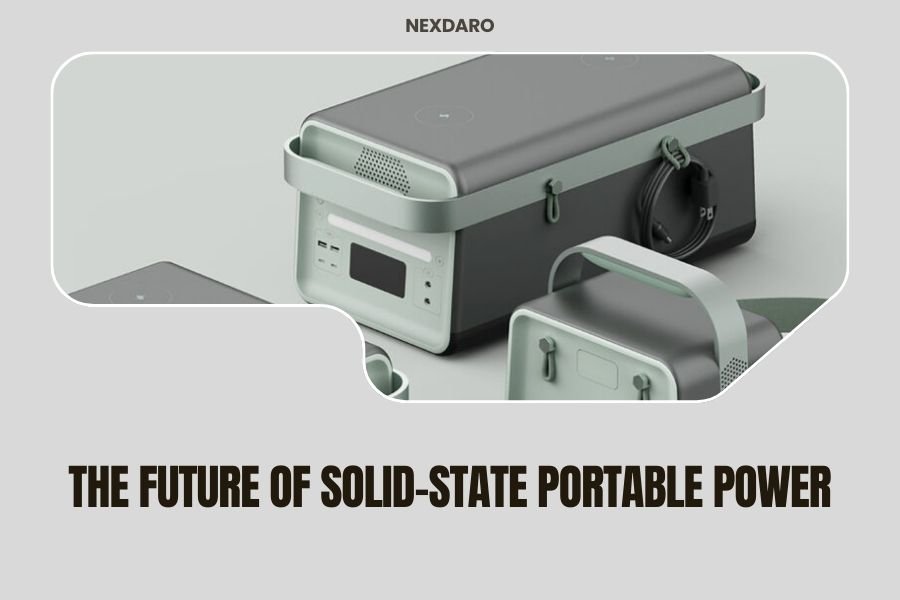
Solid-state portable power stations use advanced battery technology that replaces liquid electrolytes with solid materials, making them safer and more durable than traditional lithium-ion power stations.
You can expect solid-state power stations to offer 50% longer battery life, faster charging speeds, and better performance in extreme temperatures compared to current portable power solutions.
What Makes Solid-State Power Different
Think of solid-state batteries like upgrading from a flip phone to a smartphone. The core function stays the same, but everything else gets better.
Traditional portable power stations use lithium-ion batteries with liquid electrolytes. These liquids can leak, overheat, or catch fire under stress. Solid-state batteries replace those liquids with ceramic or polymer materials that stay stable.
I found that solid-state technology solves three major problems you face with current power stations. They run cooler, last longer, and charge faster than anything available today.
How Solid-State Technology Works
The solid electrolyte acts like a better highway for electrical current. It moves energy more efficiently between the positive and negative sides of the battery.
This design eliminates the separators and cooling systems that take up space in regular batteries. You get more power in a smaller package.
Safety Improvements You’ll Notice
Solid-state batteries don’t suffer from thermal runaway – the dangerous chain reaction that causes battery fires. The solid materials stay stable even when damaged.
You won’t see the swelling, leaking, or overheating issues common with current portable power stations. Many experts say this makes solid-state the safest battery technology available.
Performance Benefits Coming Your Way
Solid-state portable power stations will change how you think about backup power. The improvements touch every aspect of performance.
Battery Life That Actually Lasts
Current power stations typically handle 2,000-3,000 charge cycles before capacity drops significantly. Solid-state batteries can handle 10,000+ cycles while maintaining 80% capacity.
This means your power station will work like new for 15-20 years instead of 3-5 years. That’s a game changer for long-term reliability.
Faster Charging Speeds
Research shows solid-state batteries can charge 3-5 times faster than current technology. A 1000Wh power station could fully charge in 30-45 minutes instead of 3-4 hours.
You’ll spend less time tethered to wall outlets and more time using your power station where you need it.
Better Cold Weather Performance
Regular lithium-ion batteries lose 20-40% capacity in freezing temperatures. Solid-state batteries maintain 90%+ performance down to -20°F.
Winter camping, ice fishing, or emergency backup power becomes more reliable. You won’t watch your power station die when temperatures drop.
Size and Weight Advantages
Solid-state power stations will be 30-50% smaller and lighter than current models with the same capacity. That 50-pound power station becomes a manageable 25-30 pounds.
Higher Energy Density
The solid electrolyte packs more energy into less space. You could see 2000Wh capacity in units the size of current 1000Wh models.
Backpacking and RV travel become easier when your power station doesn’t eat up storage space or weight limits.
Simplified Internal Design
Solid-state batteries need fewer cooling components, safety circuits, and structural supports. The simpler design saves space and weight.
Manufacturers can focus on features you actually want instead of managing heat and safety issues.
Current Challenges Holding Back Adoption
Solid-state technology isn’t ready for your local store shelf yet. Several hurdles need clearing first.
Manufacturing Costs
Solid-state batteries currently cost 3-5 times more to produce than lithium-ion. Those costs get passed to you as higher retail prices.
I found that manufacturing scale-up could drop costs by 60-70% within 5-7 years as production volumes increase.
Production Scalability
Most solid-state battery production happens in small research facilities. Building large-scale factories takes time and massive investment.
Major battery manufacturers are working on this problem, but commercial production won’t hit full speed until 2027-2030.
Technical Challenges
Interface stability between solid materials still causes some performance issues. Temperature cycling can create microscopic cracks that reduce battery life.
Engineers are testing new materials and manufacturing processes to solve these problems.
Timeline for Consumer Availability
You won’t find solid-state portable power stations at your local hardware store tomorrow. But the timeline is getting clearer.
Early Adopter Phase (2025-2027)
Expect limited releases of premium solid-state power stations. Prices will be 2-3 times higher than current models.
These early units will likely target professional users who need maximum reliability and can pay premium prices.
Mainstream Market Entry (2028-2030)
Mass production should bring prices closer to current power station levels. You’ll see multiple brands offering solid-state options.
This is when solid-state becomes practical for regular outdoor enthusiasts and homeowners.
Market Dominance (2030+)
Solid-state will likely replace traditional lithium-ion as the default technology. Prices may drop below current power station costs due to simpler designs.
Who Benefits Most From This Technology
Solid-state portable power stations will help everyone, but some users gain more than others.
Frequent Travelers and RV Owners
The lighter weight and higher reliability make solid-state perfect for mobile lifestyles. You’ll save space and get dependable power anywhere.
Emergency Preparedness
The 15-20 year lifespan means your emergency power station will actually work when disasters strike years later. Current batteries may be dead when you need them most.
Cold Climate Users
If you live where temperatures regularly drop below freezing, solid-state technology maintains performance when current power stations fail.
Professional Applications
Construction, film production, and medical equipment use cases benefit from the reliability and fast charging capabilities.
Comparing Technologies Side by Side
| Feature | Current Lithium-Ion | Future Solid-State |
|---|---|---|
| Cycle Life | 2,000-3,000 cycles | 10,000+ cycles |
| Charging Speed | 3-4 hours full charge | 30-45 minutes full charge |
| Cold Performance | 60-80% capacity at 32°F | 90%+ capacity at -20°F |
| Safety Risk | Fire/explosion possible | Minimal safety risk |
| Weight | Current standard | 30-50% lighter |
What This Means for Current Power Station Owners
Should you wait for solid-state technology or buy a power station now? The answer depends on your immediate needs.
Buy Now If You Need Power Today
Current lithium-ion power stations work well and will serve you for years. Don’t wait 3-5 years if you need backup power for camping or emergencies now.
Wait If You Can Manage Without
If your power needs aren’t urgent, waiting for solid-state technology gets you significantly better performance and value.
Upgrade Strategy
Buy a smaller, cheaper power station now for immediate needs. Plan to upgrade to solid-state when prices become reasonable.
Environmental Impact Improvements
Solid-state batteries use fewer rare earth materials and last much longer. This reduces mining impact and electronic waste.
The 10,000+ cycle lifespan means you’ll replace your power station once every 15-20 years instead of every 3-5 years.
Recycling Advantages
Solid-state batteries contain no liquid electrolytes that complicate recycling. The solid materials separate and recycle more easily.
Conclusion
Solid-state portable power stations represent the biggest advancement in battery technology since lithium-ion became mainstream. You’ll get longer battery life, faster charging, better safety, and lighter weight in one package.
The technology isn’t ready for mass market yet, but early versions should appear by 2025-2027. Mainstream availability comes around 2028-2030 when manufacturing scales up and costs drop.
If you need portable power now, current lithium-ion stations still work well. But if you can wait, solid-state technology will give you dramatically better performance and value. The future of portable power is solid-state, and that future arrives soon.
How long do solid-state batteries last compared to regular power station batteries?
Solid-state batteries handle 10,000+ charge cycles while maintaining 80% capacity, compared to 2,000-3,000 cycles for current lithium-ion batteries. This translates to 15-20 years of use versus 3-5 years for traditional power stations.
Are solid-state portable power stations safe to use indoors?
Yes, solid-state batteries eliminate the fire and explosion risks associated with liquid electrolyte batteries. They don’t suffer from thermal runaway and remain stable even when damaged, making them much safer for indoor use than current power stations.
Will solid-state power stations work better in winter camping conditions?
Solid-state batteries maintain 90%+ performance in temperatures down to -20°F, while current lithium-ion batteries lose 20-40% capacity in freezing conditions. This makes them far superior for cold weather outdoor activities.
How much will solid-state portable power stations cost when they become available?
Early solid-state power stations (2025-2027) will cost 2-3 times more than current models. Mainstream pricing should match or beat current power station costs by 2028-2030 as manufacturing scales up and production costs decrease.
Can I upgrade my current power station to use solid-state technology?
No, you cannot upgrade existing power stations to solid-state technology. The battery chemistry, charging systems, and internal components are completely different. You’ll need to purchase a new solid-state power station when they become available.