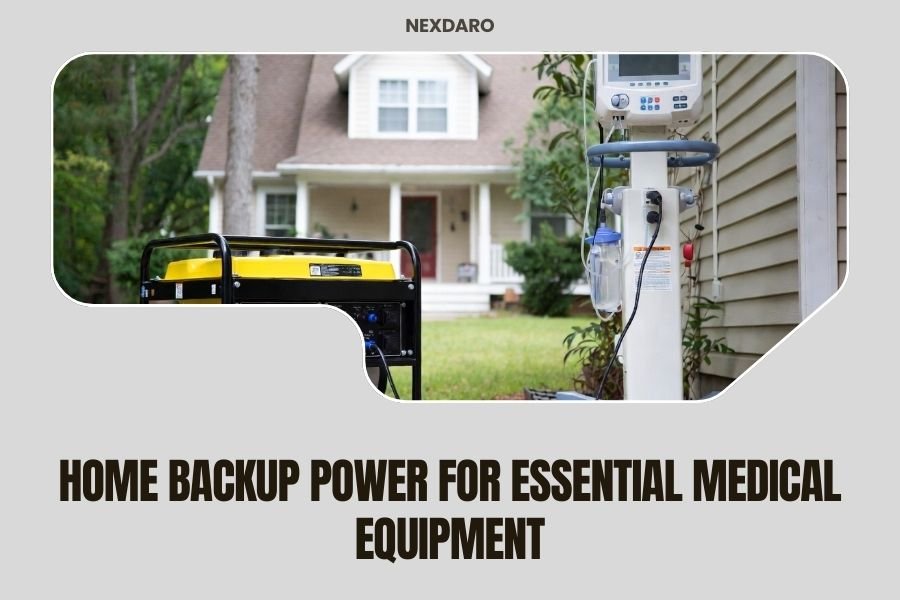
Home backup power for essential medical equipment requires battery systems that can run for 8-24 hours during power outages, with most portable power stations providing 500-3000 watts of continuous power.
Medical-grade backup power solutions include uninterruptible power supplies (UPS), portable power stations, and standby generators, each offering different runtime capabilities and power outputs for life-sustaining equipment.
When your power goes out, every second counts if you depend on medical equipment at home. Your oxygen concentrator, CPAP machine, or nebulizer can’t wait for the utility company to restore electricity.
I’ve researched backup power options extensively, and the good news is you have several reliable solutions. The key is matching your equipment’s power needs with the right backup system.
Understanding Your Medical Equipment Power Needs
Before choosing backup power, you need to know how much electricity your medical devices use. This information is usually on a label on the back or bottom of your equipment.
Look for two numbers: watts (continuous power) and starting watts (power surge when turning on). Some devices need extra power to start up, like refrigerators do.
Common Medical Device Power Requirements
| Medical Equipment | Typical Power Usage | Daily Runtime Hours |
|---|---|---|
| CPAP Machine | 30-60 watts | 8 hours |
| Oxygen Concentrator | 300-600 watts | 24 hours |
| Nebulizer | 100-200 watts | 1-2 hours |
| Hospital Bed | 200-400 watts | As needed |
| Ventilator | 100-300 watts | 24 hours |
Calculating Your Total Power Needs
Add up the watts for all devices you’ll run at the same time. Don’t forget to include essential items like your refrigerator for medications or a few lights.
For runtime, multiply your total watts by the hours you need power. A 300-watt oxygen concentrator running 24 hours needs 7,200 watt-hours (7.2 kWh) of stored energy per day.
Types of Home Backup Power Systems
You have three main options for medical equipment backup power. Each has different benefits and limitations based on your needs and budget.
Uninterruptible Power Supplies (UPS)
UPS systems are like surge protectors with built-in batteries. They switch on instantly when power fails, with no interruption to your medical equipment.
Most UPS units provide 15 minutes to 2 hours of runtime. They’re perfect for short outages or giving you time to switch to another power source.
Best For:
- CPAP machines during brief outages
- Medication refrigerators
- Small nebulizers
- Computer-controlled medical devices
Limitations:
- Short runtime (usually under 4 hours)
- Limited power output
- Battery replacement needed every 3-5 years
Portable Power Stations
These are large battery packs with multiple outlets. Think of them as giant phone chargers for your home. They’re quiet, produce no emissions, and work indoors safely.
I found that modern lithium battery stations can power medical equipment for 8-72 hours, depending on the battery size and your power usage.
Advantages:
- Silent operation
- No fuel needed
- Safe for indoor use
- Can be recharged from wall outlets or solar panels
- Multiple outlet types (AC, USB, 12V)
Popular Capacity Options:
- 500-1000Wh: Good for CPAP machines, small devices
- 1500-2000Wh: Powers oxygen concentrators for 6-12 hours
- 3000Wh+: Extended runtime for multiple devices
Backup Generators
Generators provide the most power and longest runtime. They burn fuel (gas, propane, or diesel) to create electricity.
Portable generators need to stay outside due to carbon monoxide risk. Standby generators connect directly to your home’s electrical panel and start automatically during outages.
Portable Generator Benefits:
- High power output (2000-10,000+ watts)
- Unlimited runtime with fuel
- Lower cost per watt than battery systems
Standby Generator Benefits:
- Automatic operation
- Powers entire home
- Connects to natural gas or propane lines
- Professional installation included
Choosing the Right System for Your Medical Needs
Your choice depends on which medical equipment you use, how long outages typically last in your area, and your budget.
For CPAP Users
CPAP machines use relatively little power. A mid-size portable power station (1000-1500Wh) can run your CPAP for 3-5 nights.
Many CPAP manufacturers make DC power cords that plug into 12V outlets. These are more efficient than using the AC power inverter.
For Oxygen Concentrator Users
Oxygen concentrators are power-hungry devices. You’ll likely need a large portable power station (2000Wh+) or a generator for extended outages.
From what I read, most experts recommend having at least 24 hours of backup power for oxygen concentrators, since these are life-sustaining devices.
Backup Oxygen Options:
- Portable oxygen tanks for short-term backup
- Large battery stations for 12-24 hour coverage
- Generator systems for extended outages
For Multiple Medical Devices
If you need to power several devices, calculate your total wattage and add 20% extra capacity. This prevents overloading your backup system.
A dual approach often works best: UPS for instant backup, plus a larger system for extended runtime.
Installation and Setup Considerations
Setting up backup power isn’t just plugging things in. You need to plan for safety, accessibility, and reliability.
Safety Requirements
Never run gas generators indoors or in attached garages. Carbon monoxide poisoning can happen quickly and silently.
Keep generators at least 20 feet from windows, doors, and vents. Install battery-powered carbon monoxide detectors if you don’t have them.
Location Planning
Place battery systems near your medical equipment but away from heat sources. Most work best at room temperature.
Make sure you can easily access power switches and outlets, even in the dark. Consider adding battery-powered emergency lighting.
Generator Placement Tips:
- Level, dry surface away from the house
- Protection from rain but good ventilation
- Easy access for fuel and maintenance
- Close enough for extension cords to reach indoors
Maintenance and Testing Your Backup Power
Backup power systems need regular care to work when you need them. Dead batteries or stale fuel won’t help during an emergency.
Battery System Maintenance
Test your battery systems monthly by unplugging your medical device and running it on backup power for a few minutes.
Keep batteries charged. Most lithium systems should stay between 20-80% charge for longest life. Recharge every 3-6 months if not used.
Generator Maintenance Schedule
- Monthly: Start and run for 15-30 minutes
- Every 3 months: Change oil, check air filter
- Every 6 months: Replace spark plugs, fuel filter
- Annually: Professional service and load testing
Fuel Storage Tips
Gas goes bad in 3-6 months. Use fuel stabilizer or rotate your gas supply regularly. Propane stores indefinitely and starts better in cold weather.
Creating an Emergency Power Plan
Having backup power equipment is only half the solution. You need a plan that everyone in your household understands.
Document Your Setup
Write down how to start each backup system. Include pictures if helpful. Laminate your instructions and keep copies in multiple locations.
List the startup sequence: which devices to power first, how long each system can run, and when to switch between backup options.
Emergency Contacts
Keep phone numbers for your medical equipment suppliers, utility company, and local emergency services easily accessible.
Many utility companies have priority restoration programs for customers with life-sustaining medical equipment. Contact them to register.
Family Communication Plan
- Designate someone to monitor equipment and battery levels
- Plan how to get fuel during extended outages
- Know when to seek alternative medical care
- Have backup locations with power (hospital, family, friends)
Cost Considerations and Insurance
Backup power systems range from $200 for small UPS units to $15,000+ for whole-house standby generators.
Many insurance plans cover some backup power costs for medically necessary equipment. Medicare Part B covers some durable medical equipment backup batteries (Medicare.gov).
Budget-Friendly Options
Start with essential backup first. A $300 UPS can keep your CPAP running during short outages. Add larger systems as your budget allows.
Consider buying used generators or refurbished power stations. Just make sure batteries are in good condition.
Financing Options
- Medical equipment suppliers often offer payment plans
- Home improvement loans for permanent installations
- Flexible spending accounts (FSA) or health savings accounts (HSA)
- Local utility rebates for backup power systems
Conclusion
Home backup power for medical equipment isn’t optional – it’s a medical necessity that can save your life. Whether you choose a simple UPS, portable power station, or full generator system depends on your specific medical needs and local power reliability.
Start by calculating your power requirements and researching your area’s typical outage duration. Then choose a system that provides adequate runtime with some safety margin. Remember that any backup power is better than none, so don’t let perfect be the enemy of good enough.
Test your system regularly, maintain it properly, and make sure everyone in your household knows how to use it. With proper planning and the right equipment, you can keep your essential medical devices running no matter what the power grid does.
How long should backup power last for medical equipment?
Medical backup power should provide at least 24 hours of runtime for life-sustaining equipment like oxygen concentrators and ventilators. For other devices like CPAP machines, 8-12 hours is usually sufficient for most power outages.
Can I use a car battery to power medical equipment?
While possible with an inverter, car batteries aren’t designed for deep discharge cycles and may damage your medical equipment with poor power quality. Purpose-built medical UPS systems or lithium power stations provide cleaner, more reliable power.
Do I need a transfer switch for backup power?
Transfer switches are only required for permanent generator installations that connect to your home’s electrical panel. Portable generators, UPS systems, and power stations plug directly into your medical devices without special wiring.
How often should I replace UPS batteries?
UPS batteries typically need replacement every 3-5 years, depending on usage and environmental conditions. Most systems will alert you when battery replacement is needed, but monthly testing helps catch failing batteries early.
Will Medicare pay for backup power systems?
Medicare Part B may cover backup batteries for certain durable medical equipment when medically necessary. Coverage varies by equipment type and medical need, so contact Medicare directly to verify what backup power costs they’ll cover for your specific situation.