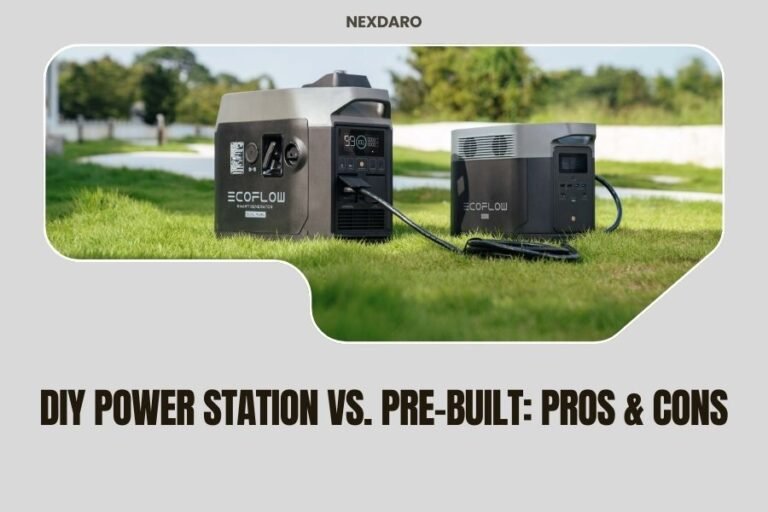
Portable power stations work by storing electrical energy in rechargeable lithium-ion batteries and converting it through built-in inverters to power your devices anywhere.
These compact energy storage systems capture power from wall outlets, solar panels, or car chargers, then deliver clean electricity when you need it most.
What Makes Portable Power Stations Tick?
Think of a portable power station as a giant battery pack with superpowers. Inside that sleek case, you’ll find several key components working together like a well-oiled machine.
The lithium-ion battery cells form the heart of the system. These same batteries power your phone and laptop, just scaled up to handle bigger jobs. Most stations pack between 200-3000 watt-hours of capacity.
The Four Main Components
Every portable power station contains these essential parts:
- Battery cells that store the energy
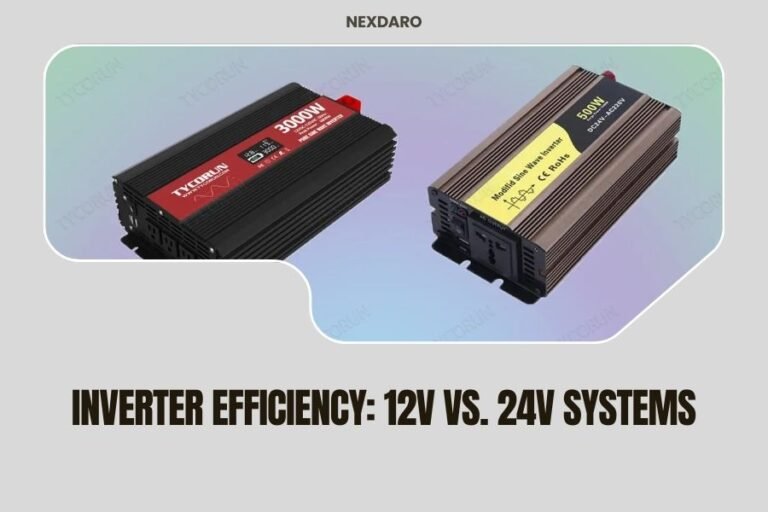
- An inverter that changes DC power to AC power
- A charge controller that manages incoming power
- Output ports for your devices
Battery Technology Breakdown
Most modern units use lithium iron phosphate (LiFePO4) batteries. I found that these last longer and handle heat better than standard lithium-ion cells. They typically survive 2000-6000 charge cycles before capacity drops significantly.
Some budget models still use lithium-ion batteries. While cheaper upfront, they usually last only 500-1000 cycles.
How Energy Flows Through Your Power Station
Picture water flowing through pipes – that’s how electricity moves through your power station. Energy enters through input ports, gets stored in batteries, then flows out through various outlets.
The Input Process
Your power station accepts energy from three main sources. Wall charging typically takes 4-8 hours for a full charge. Solar charging varies wildly based on panel size and sunlight – expect 6-12 hours with adequate panels.
Car charging works great during road trips. Most 12V outlets deliver 100-120 watts, so charging takes longer than wall power but faster than small solar setups.
Smart Charging Features
Modern stations include battery management systems (BMS) that prevent overcharging and overheating. These systems monitor each battery cell individually, balancing charge levels for maximum lifespan.
The Output Side
When you plug something in, the magic happens instantly. DC devices like phones and laptops can draw power directly from the battery. AC devices need the inverter to convert 12V DC battery power into 110V AC household current.
This conversion isn’t perfect – you lose about 10-15% of stored energy in the process. That’s why charging a laptop directly through USB-C is more efficient than using the AC outlet.
Different Types of Power Outputs
Your power station offers multiple ways to access stored energy. Each output type serves different devices and efficiency levels.
AC Outlets
These standard wall outlets power household appliances. The inverter creates a sine wave that mimics grid electricity. Pure sine wave inverters work with sensitive electronics, while modified sine wave inverters suit basic appliances.
Power Limitations
Each station has a maximum output rating, usually between 300-3000 watts. Exceed this limit and the system shuts down to protect itself. Always check your device’s power requirements before plugging in.
USB Ports
USB charging is incredibly efficient since it skips the inverter. Most stations offer multiple USB-A ports plus newer USB-C Power Delivery ports that charge laptops quickly.
USB-C PD can deliver up to 100 watts, perfect for MacBooks and gaming laptops. This direct DC charging wastes less energy than using AC adapters.
Wireless Charging Pads
Some premium models include built-in wireless charging surfaces on top. While convenient, wireless charging is only about 70% efficient compared to cable charging.
12V DC Outlets
Car-style outlets power 12V devices directly from the battery. This direct connection offers maximum efficiency for compatible devices like coolers, fans, and automotive accessories.
Understanding Capacity and Runtime
Watt-hours (Wh) tell you how much energy your station stores. But converting this to real-world runtime requires some simple math.
The Runtime Formula
Divide your station’s capacity by your device’s power consumption. A 500Wh station running a 50W device lasts about 10 hours (minus efficiency losses).
Real-world performance is usually 80-90% of the theoretical maximum due to conversion losses and battery protection systems.
Power Draw Examples
| Device | Typical Power Draw | Runtime (500Wh Station) |
|---|---|---|
| Smartphone | 5W | 80+ hours |
| Laptop | 45W | 9 hours |
| Mini Fridge | 60W | 7 hours |
| CPAP Machine | 30W | 14 hours |
Factors That Affect Performance
Temperature plays a huge role in battery performance. Cold weather reduces capacity by 10-20%, while extreme heat triggers protection systems that limit output.
Age matters too. After 500-1000 cycles, lithium batteries hold about 80% of their original capacity. Quality LiFePO4 cells maintain performance much longer.
Safety Systems and Protection
Modern power stations pack serious safety features. The battery management system monitors voltage, current, and temperature constantly.
Built-in Protections
Your station automatically shuts down if it detects problems. Overcurrent protection prevents damage from short circuits. Temperature sensors stop operation if things get too hot.
Low voltage cutoff protects battery cells from damage. The system stops discharging before voltage drops to harmful levels.
User Safety Features
LED displays show battery level, input/output power, and error codes. Many units include built-in flashlights for emergencies.
Cooling fans activate under heavy loads to prevent overheating. Some premium models use passive cooling with heat sinks instead of noisy fans.
Charging Methods Explained
You have multiple ways to refill your power station’s battery. Each method has trade-offs between speed, convenience, and cost.
Wall Charging
AC charging is fastest and most reliable. Most stations accept 100-200W from wall outlets, filling completely in 4-8 hours.
Some high-capacity models support fast charging at 400W+ but require special adapters and dedicated circuits.
Solar Charging Setup
Solar panels connect through MC4 connectors or barrel plugs. Match panel voltage to your station’s input range – usually 12-24V for smaller units, up to 60V for large stations.
I found that 200W of solar panels work well for 500Wh stations. Larger stations need 400W+ panels for reasonable charging times.
Car Charging Benefits
12V charging works great during travel. While slower than wall power, it keeps your station topped off during long drives.
Some newer vehicles offer 120V outlets that charge power stations much faster than traditional 12V ports.
Common Applications
Portable power stations shine in situations where grid power isn’t available or reliable. From camping trips to emergency backup, these devices solve real problems.
Outdoor Adventures
Camping becomes more comfortable with portable power. Run LED lights, charge devices, and power small appliances without generators or car engines.
RV owners use them to extend boondocking time. Solar charging during the day powers evening activities without running the RV’s generator.
Emergency Preparedness
Power outages happen unexpectedly. A charged power station keeps essential devices running – medical equipment, communication devices, and emergency lighting.
Research shows that 83% of Americans experience at least one power outage per year (Department of Energy). Having backup power provides peace of mind.
Work and Remote Applications
Remote work sometimes means literally remote locations. Power stations enable laptop work, video calls, and equipment operation far from outlets.
Photographers and videographers rely on portable power for lighting equipment, camera charging, and laptop editing in the field.
Choosing the Right Capacity
Size your power station based on actual needs, not worst-case scenarios. Bigger isn’t always better when you consider weight, cost, and charging time.
Small Stations (200-500Wh)
Perfect for device charging and small electronics. These weigh 5-15 pounds and cost $200-500. Great for weekend camping or emergency phone charging.
Medium Stations (500-1500Wh)
The sweet spot for most users. Run small appliances, multiple devices, and provide 1-3 days of power for essential needs. Expect 15-40 pounds and $500-1500.
Large Stations (1500Wh+)
Serious backup power or off-grid living. These giants power refrigerators, power tools, and entire campsites. Weight ranges from 40-100 pounds with prices starting at $1500.
Maintenance and Lifespan
Proper care extends your power station’s life significantly. Lithium batteries prefer partial charges over deep cycles.
Best Practices
Store your station at 50-80% charge for long-term storage. Extreme temperatures hurt battery health, so keep it in moderate conditions when possible.
Use your station regularly. Batteries sitting unused for months can develop problems. Monthly charge cycles keep everything healthy.
Signs of Aging
Runtime decreases gradually over time. When your station only holds 70-80% of original capacity, consider replacement or battery service if available.
Error codes, unusual heat, or charging problems indicate potential issues requiring professional attention.
Conclusion
Portable power stations work through elegant simplicity – store energy when available, deliver it when needed. Understanding the basic components and processes helps you choose the right unit and use it effectively.
Whether you need emergency backup, outdoor power, or remote work capability, these versatile devices provide clean, quiet electricity anywhere. The technology continues improving while prices drop, making portable power accessible to more people than ever.
Remember that capacity, output options, and charging methods matter more than fancy features. Focus on matching your actual power needs with the right size station, and you’ll enjoy years of reliable portable electricity.
How long do portable power stations last before needing replacement?
Quality lithium iron phosphate stations typically last 5-10 years with regular use. Battery capacity gradually decreases to about 80% after 2000-6000 charge cycles, depending on usage patterns and care.
Can I use a portable power station while it’s charging?
Most modern stations support pass-through charging, letting you power devices while charging the internal battery. This feature is perfect for extended use periods or emergency situations where continuous power is needed.
Are portable power stations safe to use indoors?
Yes, portable power stations are completely safe indoors since they produce no emissions or fumes. Unlike gas generators, they operate silently and cleanly, making them ideal for indoor emergency backup or home office use.
What’s the difference between pure sine wave and modified sine wave inverters?
Pure sine wave inverters create smooth electrical output identical to grid power, working with all devices including sensitive electronics. Modified sine wave inverters create choppy output that works with basic appliances but may damage or malfunction with medical devices, computers, and audio equipment.
How much solar panel capacity do I need to charge my power station effectively?
Match solar panel wattage to roughly 25-40% of your station’s battery capacity for daily recharging. A 1000Wh station works well with 250-400W of solar panels, providing full charges during good sun conditions while accounting for weather and efficiency losses.