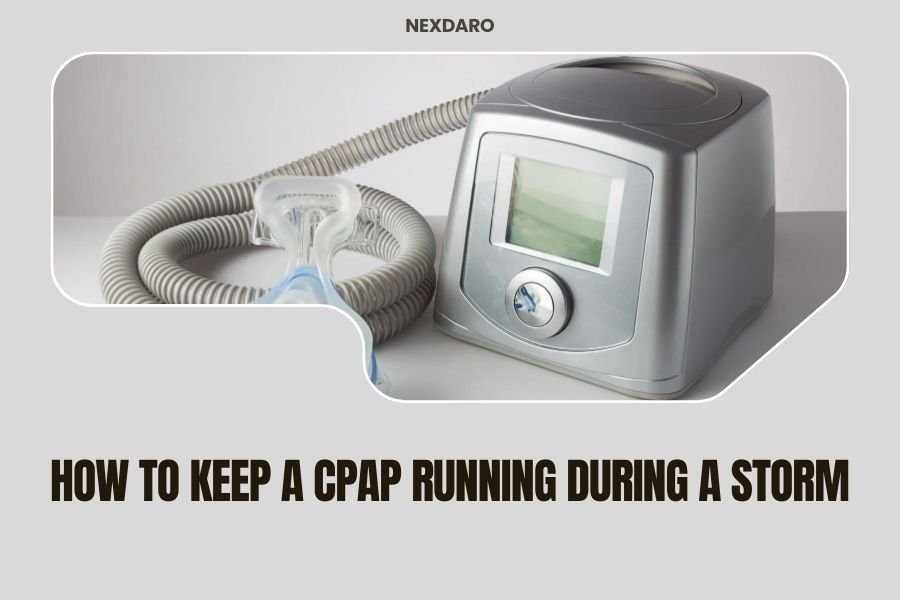
To keep a CPAP running during a storm, use a portable power station with at least 500Wh capacity or a 12V DC adapter connected to your car battery.
Most CPAP machines need backup power for 8-12 hours during outages, and battery packs or generators provide the most reliable storm-ready solutions.
Why Storms Put Your CPAP at Risk
Power outages happen fast during storms. Your sleep therapy can’t wait for the electric company to fix everything. Without your CPAP, you face serious health risks that night.
I found that most people don’t realize how vulnerable their sleep therapy becomes during bad weather. High winds knock down power lines. Ice storms cut electricity for days.
Your CPAP machine becomes useless without power. That means interrupted sleep, health complications, and real danger for people with severe sleep apnea.
Best Power Backup Options for CPAP Machines
Portable Power Stations
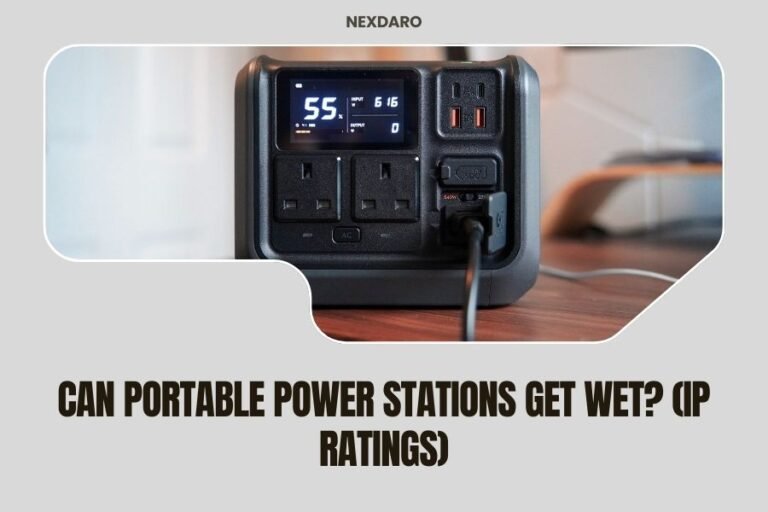
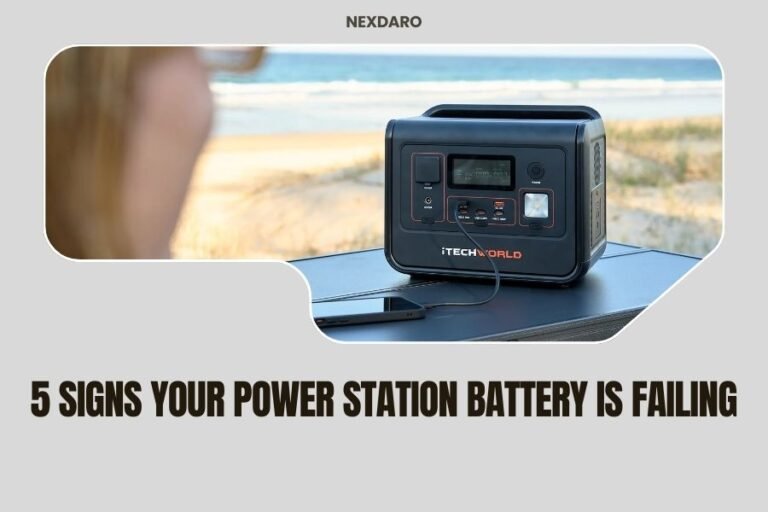
Portable power stations work like giant phone chargers for your CPAP. They store electricity and deliver steady power when the lights go out.
Most CPAP users need stations with 500-1000Wh capacity. This gives you 8-16 hours of runtime, depending on your machine and pressure settings.
I researched popular models and found that lithium-ion stations charge faster and last longer than older battery types. They also stay quiet while running.
Key Features to Look For
- Pure sine wave output for sensitive CPAP electronics
- Multiple charging options (wall, car, solar)
- LED display showing remaining power
- At least two AC outlets for CPAP and humidifier
CPAP Battery Packs
Some companies make batteries designed just for CPAP machines. These connect directly to your device without adapters or conversion.
Battery packs usually cost less than full power stations. They’re also lighter and take up less space in your bedroom.
From what I read, most CPAP batteries provide 8-12 hours of power. Some models let you daisy-chain multiple batteries for longer runtime.
Pros and Cons of CPAP Batteries
Good things: Lightweight, purpose-built, easy to use, often include carrying cases for travel.
Bad things: Only power CPAP machines, can’t run other devices, limited capacity compared to power stations.
Car Power Options
Your car becomes a backup generator with the right adapter. Most CPAP machines can run on 12V DC power from your vehicle.
This works great if you can park close to your bedroom. Run an extension cord from your car to power your CPAP all night.
I found online that you should keep your car running every few hours to recharge the battery. Don’t drain your car battery completely or you’ll have bigger problems.
Safety Tips for Car Power
- Never run your car inside a garage or enclosed space
- Park outside with good ventilation
- Check your car’s fuel level before the storm
- Keep extra gas cans safely stored
How Long Does Your CPAP Need to Run
Most people sleep 7-9 hours per night. Your backup power needs to cover at least one full night, preferably two or three nights for longer outages.
Power consumption varies by CPAP model and your pressure settings. Machines typically use 30-60 watts per hour without a humidifier.
Add a heated humidifier and your power draw jumps to 80-120 watts per hour. That cuts your battery runtime in half.
Calculating Your Power Needs
Here’s simple math to figure out your requirements. Take your CPAP’s wattage and multiply by hours of use.
Example: 50-watt machine × 8 hours = 400 watt-hours needed per night.
Always add 20-30% extra capacity for battery efficiency losses and unexpected longer outages.
| CPAP Setup | Hourly Usage | 8-Hour Night | Recommended Battery |
|---|---|---|---|
| CPAP only | 30-50W | 240-400Wh | 500Wh minimum |
| CPAP + Humidifier | 80-120W | 640-960Wh | 1000Wh minimum |
| BiPAP + Humidifier | 100-150W | 800-1200Wh | 1500Wh minimum |
Setting Up Your Storm-Ready CPAP System
Before the Storm Hits
Preparation saves lives when bad weather strikes. You can’t set up backup power in hurricane winds or ice storms.
Charge all your backup devices fully before storm warnings arrive. Test everything to make sure it works with your CPAP machine.
Keep backup supplies in one easy-to-find location. Include extra water for humidifiers, cleaning supplies, and spare masks or tubing.
Essential Storm Prep Checklist
- Fully charged power station or CPAP battery
- Correct power cables and adapters
- Extra distilled water for humidifier
- Backup mask and tubing
- CPAP cleaning supplies
- Flashlight and extra batteries
During Power Outages
Switch to backup power as soon as electricity goes out. Don’t wait to see if power comes back quickly.
Turn off your heated humidifier if battery power runs low. Your CPAP therapy still works without humidity, just less comfortably.
Monitor your power station’s battery level throughout the night. Some units shut down automatically when power gets too low.
Extending Battery Life
Lower your CPAP pressure if your doctor says it’s safe. Reducing pressure by just 1-2 cm can save significant battery power.
Turn off ramp-up features and comfort settings that aren’t medically necessary. Focus on core therapy to stretch your backup power.
Use room temperature water in your humidifier instead of heated humidity. This cuts power consumption dramatically.
Backup Power Maintenance
Monthly Battery Care
Batteries lose charge over time, even when not used. Check your backup power monthly and recharge if needed.
I came across research showing that lithium batteries last longer when stored at 50-80% charge rather than 100% full.
Keep your power station plugged in during storm season so it’s always ready. Unplug it after storm threats pass to extend battery life.
Testing Your Setup
Practice makes perfect when storms threaten your power. Test your backup system every few months.
Unplug your CPAP from wall power and run it on backup for a few hours. Time how long your battery actually lasts compared to specifications.
Make sure you know which buttons to push and cables to connect. Fumbling around in the dark during a real outage creates stress you don’t need.
Alternative Solutions
Whole House Generators
Permanent generators automatically start when power fails. They run your entire house, including CPAP machines, lights, and refrigeration.
These cost much more than portable solutions but provide unlimited runtime with proper fuel supplies.
Many experts say whole house generators make sense if you live in areas with frequent extended outages.
UPS Battery Backup
Uninterruptible power supplies work great for short outages. They switch to battery power instantly when electricity fails.
Most UPS units only run CPAP machines for 2-4 hours. They work better for brief power flickers than extended storm outages.
Computer UPS systems often lack the capacity needed for all-night CPAP operation.
Safety Considerations
Generator Safety
Never run gas generators inside your house, garage, or near windows. Carbon monoxide kills quietly and quickly.
Keep generators at least 20 feet from your home. Point the exhaust away from doors, windows, and air vents.
I found that the Consumer Product Safety Commission reports dozens of generator deaths every year from carbon monoxide poisoning.
Battery Safety
Lithium batteries are generally safe but can overheat or catch fire if damaged. Don’t drop, puncture, or expose them to extreme temperatures.
Charge batteries in well-ventilated areas away from flammable materials. Unplug chargers when batteries reach full capacity.
Replace old batteries that no longer hold proper charge. Weak batteries often fail when you need them most.
Cost Considerations
Budget-Friendly Options
Basic CPAP batteries start around $200-300 for 8-10 hours of runtime. These work fine for occasional outages.
Small portable power stations cost $300-500 and provide more flexibility than CPAP-only batteries.
Car power adapters cost just $50-100 but require parking near your bedroom and running your vehicle.
Premium Solutions
Large power stations with 1000Wh+ capacity run $600-1200 but power multiple devices for days.
Professional CPAP battery systems cost $400-800 and often include travel cases and multiple charging options.
Whole house generators start around $3000 installed but eliminate all power outage worries.
Conclusion
Keeping your CPAP running during storms doesn’t have to be complicated or expensive. A good portable power station or CPAP battery provides peace of mind and uninterrupted sleep therapy.
Start with your budget and power needs. Calculate how long you need backup power and choose a solution that fits your situation.
Don’t wait for the next storm warning to prepare. Set up your backup power system now, test it regularly, and sleep better knowing you’re ready for whatever weather comes your way.
What size power station do I need for a CPAP with humidifier?
You need at least 1000Wh capacity for a CPAP with heated humidifier to run 8-10 hours. This accounts for the 80-120 watts most setups consume plus some safety margin for battery efficiency losses.
Can I use a car battery directly to power my CPAP?
Yes, but you need a 12V DC adapter made for your specific CPAP model. Connect the adapter to your car’s 12V outlet or directly to the battery terminals with proper fuses and wiring.
How often should I test my CPAP backup power?
Test your backup power system every 2-3 months by running your CPAP on battery power for several hours. This ensures everything works and helps you track how battery capacity changes over time.
Will my CPAP work without the humidifier during outages?
Your CPAP provides the same medical therapy without the humidifier, just with less comfort. Turning off heated humidity can double your battery runtime during extended outages.
What’s the difference between modified and pure sine wave power?
Pure sine wave power matches regular household electricity and works safely with all CPAP machines. Modified sine wave power costs less but can damage sensitive CPAP electronics or cause display errors.