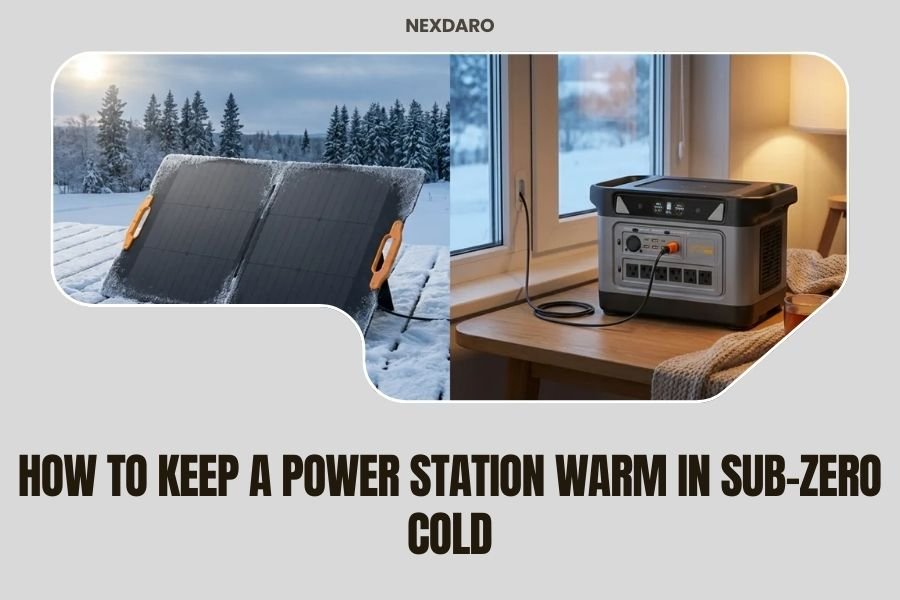
To keep a power station warm in sub-zero cold, insulate it with blankets or foam, store it in a heated space when possible, and use battery warmers designed for outdoor equipment.
Cold temperatures can reduce your power station’s battery capacity by 20-50%, but proper warming techniques will maintain performance and extend battery life during winter conditions.
Why Cold Weather Kills Your Power Station
Your power station uses lithium-ion batteries, and these don’t play nice with freezing temperatures. Think of it like your smartphone dying faster on a cold day – same problem, bigger scale.
When temperatures drop below 32°F (0°C), the chemical reactions inside your battery slow down dramatically. This means less power output and shorter runtime. At -4°F (-20°C), you might lose half your battery capacity.
What Happens Inside Cold Batteries
I found that lithium-ion batteries experience increased internal resistance when cold. The electrolyte becomes thicker, like honey in the fridge. This makes it harder for electricity to flow smoothly.
Your power station might also shut down completely if it gets too cold. Most units have built-in protection that stops charging or discharging when temperatures hit dangerous lows.
Simple Insulation Methods That Work
Wrapping your power station is the easiest warming method. You don’t need fancy equipment – just materials that trap warm air around the unit.
Moving Blankets and Sleeping Bags
Moving blankets work great because they’re thick and designed to protect items during transport. Wrap your power station loosely, leaving vents uncovered.
Old sleeping bags also do the trick. The down or synthetic fill creates air pockets that hold heat. Just make sure you don’t block cooling fans or air intake ports.
Foam Insulation Boards
Rigid foam boards from hardware stores create custom warming boxes. Cut them to size and tape the edges together. Leave a small gap for cables and ventilation.
This method gives you more control over insulation thickness. Thicker foam means better cold protection, but also more bulk to carry around.
Reflective Bubble Wrap
The stuff used for water heaters and windows works on power stations too. It reflects your unit’s own heat back while blocking cold air. Lightweight and cheap, but not as effective as thicker options.
Heat Sources You Can Use Safely
Adding gentle heat keeps your power station happy in extreme cold. The key word here is gentle – too much heat damages batteries just like cold does.
Hand Warmers and Heat Packs
Chemical hand warmers stick to your power station case and provide steady, low-level heat for hours. Place them on the sides, not directly over vents or the display screen.
I came across advice from camping experts who use multiple small heat packs rather than one large one. This spreads warmth more evenly and reduces hot spots.
Electric Heating Pads
If you have access to AC power, electric heating pads designed for pets or seedlings work well. They run at safe temperatures and won’t overheat your unit.
Wrap the heating pad around the power station’s base or sides. Use the lowest heat setting and check temperatures regularly with your hand.
12V Car Seat Warmers
Car seat heating elements run off 12V power, which your power station can provide. This creates a self-warming loop, though it does drain some battery power.
Smart Storage Strategies
Where you store your power station makes a huge difference. Even small changes in location can keep it warm enough to function properly.
Inside Your Vehicle
Car interiors stay warmer than outside air, even when parked. Your dashboard can reach 50-60°F when outside temps hit 20°F. Just don’t leave it in direct sunlight where it might overheat.
RV storage bays work even better if they’re semi-heated or insulated. Some people run a small space heater in their storage compartment on timer switches.
Tent and Shelter Warming
Keep your power station inside your heated tent or shelter when possible. Body heat and camp stoves raise interior temperatures well above freezing.
Place it near (not on) warm surfaces like sleeping pads or camp chairs that have absorbed heat during the day. These act like thermal batteries, releasing stored warmth slowly.
Underground Storage
Ground temperature stays more stable than air temperature. Digging a shallow pit and lining it with foam creates a natural cold barrier. Cover with a tarp to keep moisture out.
Pre-Warming Before Use
Getting your power station warm before you need it prevents capacity loss and startup problems. This is like warming up your car on cold mornings.
Indoor Conditioning
Bring your power station indoors for a few hours before heading out. Room temperature batteries perform at full capacity and won’t shock from sudden temperature changes.
I found research showing that batteries perform better when they’re gradually cooled rather than shocked with sudden temperature drops (Battery University).
Gradual Temperature Changes
Don’t move your power station directly from a warm house to sub-zero outdoors. Let it adjust in your garage or car first. This prevents condensation inside the unit.
Temperature shock can damage internal components and create moisture problems. Think of it like jumping into a cold pool versus wading in slowly.
Commercial Warming Solutions
Companies make products specifically for keeping batteries warm in cold weather. These cost more than DIY methods but offer better temperature control.
Battery Blankets and Wraps
Industrial battery warmers come in different sizes and power ratings. Some plug into AC outlets, others run off 12V power from your vehicle.
These maintain steady temperatures between 50-70°F automatically. Built-in thermostats prevent overheating and save power when warming isn’t needed.
Insulated Carrying Cases
Hard cases with foam insulation protect against both cold and impacts. Some include built-in heating elements or pockets for heat packs.
Military-grade cases offer the best protection but cost significantly more than civilian options. Consider your budget and how extreme your conditions really are.
What Not to Do
Some warming methods can damage your power station or create safety hazards. Here’s what to avoid when fighting cold temperatures.
Direct Heat Sources
Never use propane heaters, campfires, or hair dryers directly on your power station. These create uneven heating and can melt plastic components or damage the battery.
I read about cases where people damaged their units by placing them too close to camp stoves or vehicle exhaust pipes. The heat was too intense and too focused.
Sealing Air Vents
Don’t cover ventilation ports completely, even when trying to keep cold air out. Your power station needs some airflow to prevent overheating when it’s working hard.
Block most of the vent area but leave small gaps for air movement. This balances cold protection with cooling needs.
Moisture and Condensation
Avoid creating condensation inside your warming setup. This happens when warm, moist air hits cold surfaces and turns back into water droplets.
Temperature Monitoring Tips
Knowing your power station’s actual temperature helps you make better warming decisions. Many units have built-in temperature displays, but external monitoring works too.
Digital Thermometers
Stick-on digital thermometers show surface temperature without opening your insulation. Wireless models let you monitor remotely from inside your tent or vehicle.
Aim to keep your power station above 32°F for basic function, and above 50°F for optimal performance. Many experts recommend this temperature range for lithium-ion batteries (NREL).
Conclusion
Keeping your power station warm in sub-zero cold comes down to insulation, gentle heat sources, and smart storage choices. Simple blankets and hand warmers often work just as well as expensive commercial solutions.
Remember that your goal is preventing extreme cold, not creating summer temperatures. A power station that stays above freezing will serve you well through winter adventures. Test your warming setup at home first, and always monitor temperatures to avoid overheating.
With these techniques, you’ll have reliable power even when the mercury drops well below zero.
How long can a power station sit in freezing temperatures?
Most power stations can handle 2-4 hours in freezing temps before performance drops significantly. Extended exposure below 20°F can cause permanent battery damage, so use warming methods for longer periods.
Can you charge a cold power station safely?
Never charge a power station when its internal temperature is below 32°F. Warm it to room temperature first, then begin charging. Cold charging can damage lithium-ion cells permanently.
Do power stations work better in cold than gas generators?
Power stations work reliably in cold weather once warmed, while gas generators often struggle with fuel gelling and engine starting problems. Battery units are generally more dependable in winter conditions.
What’s the coldest temperature a power station can survive?
Most power stations can survive storage temperatures down to -4°F (-20°C) without permanent damage, but they won’t function at those temps. Operating range is typically 14°F to 104°F (-10°C to 40°C).
Should you remove the battery in extreme cold?
No, power station batteries are built-in and not meant to be removed by users. Instead, bring the entire unit indoors or use proper insulation and warming methods to protect the whole system.