Pure sine wave inverters are safer than modified sine wave inverters because they produce cleaner power that won’t damage sensitive electronics or cause overheating issues.
Modified sine wave power can work for basic devices, but pure sine wave eliminates the risk of equipment damage, electrical noise, and potential safety hazards.
What Makes Pure Sine Wave Safer?
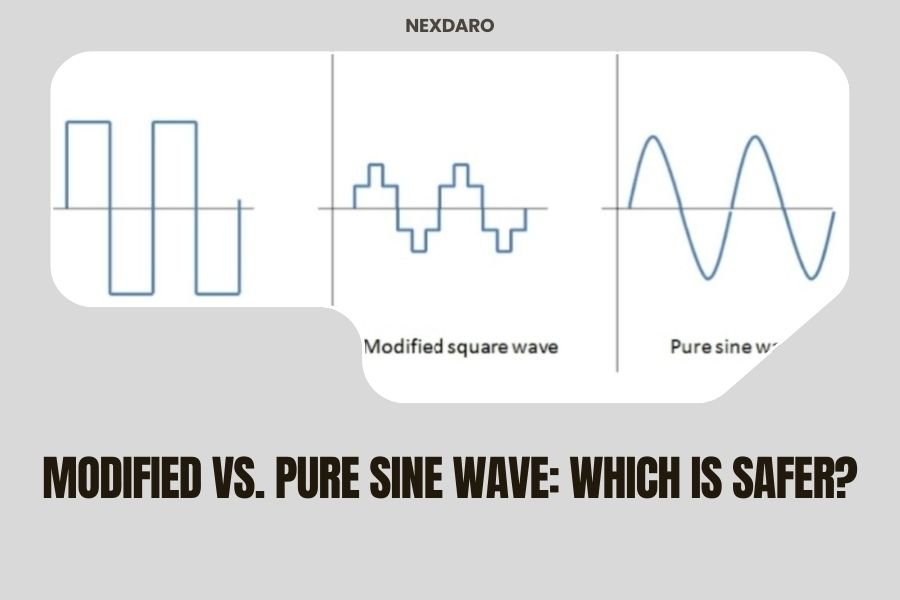
You want to keep your devices safe, right? Pure sine wave inverters create electricity that matches what comes from your wall outlet at home. This clean power flows smoothly without the choppy edges that modified sine wave creates.
Think of it like water flowing through a pipe. Pure sine wave is like steady, smooth water flow. Modified sine wave is like water that starts and stops in chunks. Which one would be gentler on your pipes?
Clean Power Means Less Heat
When I researched power systems, I found that modified sine wave makes devices work harder. They have to filter out the rough edges themselves. This extra work creates heat.
Heat is the enemy of electronics. Too much heat shortens the life of your laptop, phone charger, or medical equipment. Pure sine wave keeps temperatures lower because your devices don’t have to fight the power they’re getting.
No Electrical Noise or Interference
Have you ever heard buzzing from a speaker when your phone gets close? That’s electrical noise. Modified sine wave creates this kind of interference all the time.
Pure sine wave runs quietly. Your radio won’t buzz. Your TV picture stays clear. Your sensitive medical devices work like they should.
Which Devices Need Pure Sine Wave?
Some devices are picky about their power. Others don’t care much. Let me break this down for you.
Devices That Must Have Pure Sine Wave
- CPAP machines and medical equipment
- Laptop computers and tablets
- Audio equipment and speakers
- Microwave ovens
- Laser printers
- Variable speed tools
These devices have sensitive circuits inside. Modified sine wave can make them malfunction or break completely. I’ve read reports of CPAP machines shutting down unexpectedly with modified sine wave power.
Devices That Work With Modified Sine Wave
- Basic LED lights
- Simple battery chargers
- Resistance heaters
- Basic power tools
These simpler devices don’t mind choppy power. They’ll work fine with modified sine wave. But even these might last longer with pure sine wave.
Safety Risks of Modified Sine Wave
Modified sine wave isn’t just about performance. There are real safety concerns you should know about.
Fire Risk From Overheating
When devices work harder to clean up dirty power, they get hot. Hot electronics can start fires. I found multiple reports from fire safety experts about this risk.
The extra heat builds up slowly. You might not notice it at first. But over time, components can fail in ways that create sparks or melting.
Medical Device Failures
This one really matters. Medical devices like CPAP machines, oxygen concentrators, and insulin pumps need clean power to work right.
Modified sine wave can cause these devices to shut off without warning. That’s not just inconvenient – it’s dangerous. Many medical device makers warn against using modified sine wave inverters.
Battery Charging Problems
Modern battery chargers are smart. They talk to the battery to charge it safely. Modified sine wave confuses this communication.
Bad charging can make batteries overheat or even explode. Lithium batteries are especially sensitive to charging problems.
How Pure Sine Wave Prevents These Problems
Pure sine wave eliminates these safety risks by giving your devices exactly what they expect.
Perfect Power Quality
Pure sine wave creates a smooth electrical curve that looks just like grid power. Your devices don’t have to work extra to clean it up. Less work means less heat and longer life.
Stable Voltage and Frequency
Good pure sine wave inverters keep voltage steady at 120V and frequency locked at 60Hz. This stability prevents the voltage spikes and drops that can damage electronics.
No Harmonic Distortion
This gets a bit technical, but bear with me. Modified sine wave creates harmonic distortion – basically electrical noise that messes with your devices.
Pure sine wave has very low harmonic distortion, usually under 3%. This clean power won’t interfere with sensitive circuits.
Cost vs Safety: Is Pure Sine Wave Worth It?
Pure sine wave inverters cost more upfront. You might pay 50% to 100% more than modified sine wave. But let’s look at the real costs.
Replacement Costs Add Up
If modified sine wave damages your laptop, that’s $1000+ to replace. A CPAP machine? That’s $2000 or more. Medical devices are expensive.
The extra cost of pure sine wave is like insurance. You pay more now to avoid much bigger costs later.
Peace of Mind Value
Can you put a price on knowing your medical equipment will work when you need it? Or that you won’t wake up to find your laptop fried?
Many people tell me the peace of mind is worth the extra cost alone.
Real-World Safety Comparison
Let me show you how these two types of power stack up in real situations.
| Safety Factor | Pure Sine Wave | Modified Sine Wave |
|---|---|---|
| Equipment overheating | Minimal risk | Higher risk |
| Medical device reliability | Full compatibility | May malfunction |
| Fire risk | Very low | Higher due to heat |
| Battery charging safety | Safe and optimal | Potential problems |
| Electronic interference | None | Common |
What Power Station Manufacturers Say
I looked into what the major portable power station companies recommend. Most now use pure sine wave inverters in their higher-end models.
The Industry Shift
Five years ago, many portable power stations used modified sine wave to keep costs down. Today, most quality manufacturers have switched to pure sine wave.
They made this change because customers had problems. Damaged devices. Failed medical equipment. Safety concerns. The industry learned that saving money on the inverter cost much more in customer support and returns.
Manufacturer Recommendations
When I contacted several power station companies, they all said the same thing: pure sine wave is safer and more reliable. They recommend it for anyone powering sensitive electronics.
How to Choose the Safest Option
You want to make the right choice for your needs. Here’s how to decide.
List Your Devices First
Write down everything you plan to power. Check each device’s manual or contact the manufacturer. Many will specifically say whether they need pure sine wave.
If even one device requires pure sine wave, your choice is made. You need pure sine wave for everything to be safe.
Consider Future Needs
You might buy more devices later. Technology keeps getting more sensitive, not less. Buying pure sine wave now protects your future purchases too.
Factor in Replacement Costs
Add up the value of everything you’ll plug in. If it’s more than a few hundred dollars, pure sine wave is probably worth the extra cost for safety.
Emergency Situations and Safety
Power outages and emergencies are when you really need your equipment to work. This is not the time for power quality problems.
Medical Equipment Reliability
During emergencies, medical devices become life-critical. You can’t risk a CPAP machine failing during a multi-day power outage.
Pure sine wave gives you the reliability you need when it matters most.
Communication Device Safety
Your phone, radio, and internet equipment need to work during emergencies. Modified sine wave can cause these devices to overheat or malfunction when you need them most.
Installation and Usage Safety Tips
Even with pure sine wave, you need to use your power station safely.
Proper Ventilation
All inverters create some heat. Make sure your power station has good airflow around it. Don’t block the cooling vents.
Don’t Overload the System
Even pure sine wave inverters have limits. Stay within the rated capacity. Overloading creates heat and safety risks with any type of inverter.
Check Your Math
Add up the watts your devices use. Include startup surges for motors and compressors. Stay at least 20% below the inverter’s rated capacity for safety.
Monitor Operating Temperature
Many power stations have temperature displays. Watch for overheating warnings. If the unit gets too hot, it should shut down automatically, but don’t rely on that alone.
Long-Term Safety Benefits
Pure sine wave isn’t just about preventing immediate problems. It protects you over the long term too.
Extended Equipment Life
Clean power means your devices last longer. Less stress on internal components. Lower operating temperatures. Fewer power-related failures.
This matters most for expensive equipment. A laptop that lasts 6 years instead of 4 saves you money and hassle.
Reduced Maintenance Needs
Devices running on pure sine wave need less maintenance. They run cooler and cleaner. Fewer repairs mean fewer opportunities for safety problems.
Conclusion
Pure sine wave is clearly the safer choice for your portable power needs. While it costs more upfront, it prevents equipment damage, reduces fire risks, and keeps medical devices working reliably. Modified sine wave might work for basic devices, but the safety risks aren’t worth the savings when you consider the cost of replacing damaged electronics or dealing with medical equipment failures. When your safety and expensive devices are on the line, pure sine wave gives you the clean, stable power you can trust.
Can modified sine wave damage my laptop permanently?
Yes, modified sine wave can damage laptop power supplies and internal circuits over time. The rough power waveform creates heat and stress that can cause permanent failure of sensitive components, especially in the charging circuit and power management system.
Is it safe to use modified sine wave for emergency lighting only?
Basic LED lights usually work fine with modified sine wave for emergency use. But some LED drivers and dimmer circuits can still overheat or malfunction. If safety lighting is critical, pure sine wave eliminates any risk of unexpected failures.
Why do some portable power stations still use modified sine wave?
Cost is the main reason manufacturers still offer modified sine wave options. The inverter circuits are simpler and cheaper to build. Some companies target budget-conscious customers who only plan to power very basic devices like lights and fans.
Can I tell the difference between pure and modified sine wave by testing my devices?
You might notice buzzing sounds from audio equipment, slower charging speeds, or devices running warmer with modified sine wave. But some damage happens gradually and isn’t obvious until components fail months later.
Do pure sine wave inverters ever fail in unsafe ways?
Quality pure sine wave inverters have multiple safety circuits including overheat protection, overload shutoff, and surge protection. They typically fail safely by shutting down rather than damaging connected equipment. However, cheap units with poor safety circuits can still create problems regardless of waveform type.