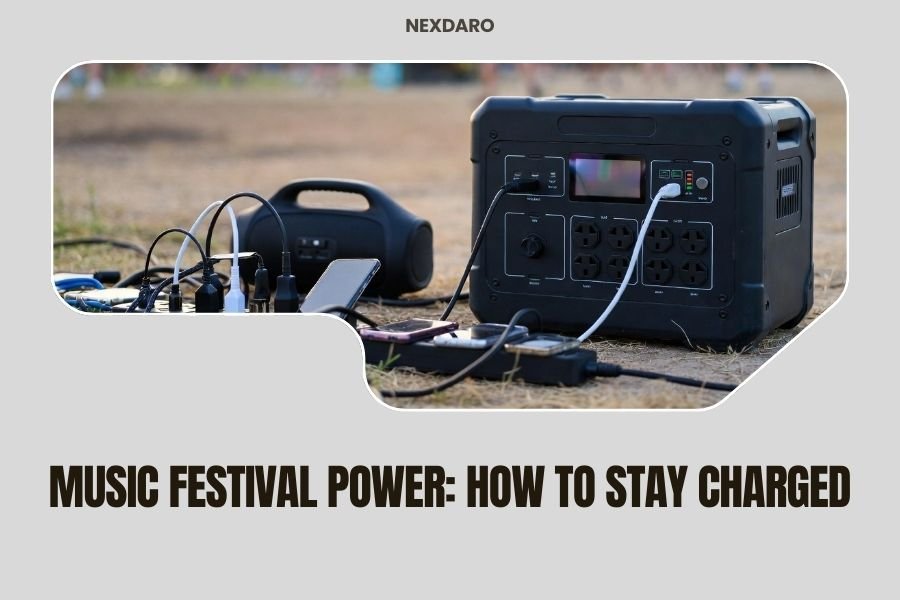
Music festival power solutions include portable power stations, solar panels, and battery packs to keep your devices charged for 3-5 days without grid access.
You need roughly 20,000-50,000mAh capacity for essential devices like phones, cameras, and lights during multi-day festivals.
Why Music Festival Power Planning Matters
Your phone dies on day two. Your camera battery gives up right when your favorite band takes the stage. Sound familiar?
Music festivals test your power management skills like nothing else. You’re camping for days with thousands of other people, far from power outlets. Weather can be unpredictable. Your gear needs to work when it counts.
I researched festival-goer experiences and found that dead devices rank among the top five festival frustrations. You miss photo opportunities, lose contact with friends, and can’t access digital tickets or maps.
The Real Power Challenges at Festivals
Festivals drain your devices faster than normal use. Here’s what I found from festival veterans:
- Constant photo and video recording
- GPS navigation between stages
- Social media sharing throughout the day
- Flashlight use at night
- Music streaming during downtime
Your phone battery that normally lasts all day? It might be dead by noon at a festival.
Portable Power Stations: Your Festival Command Center
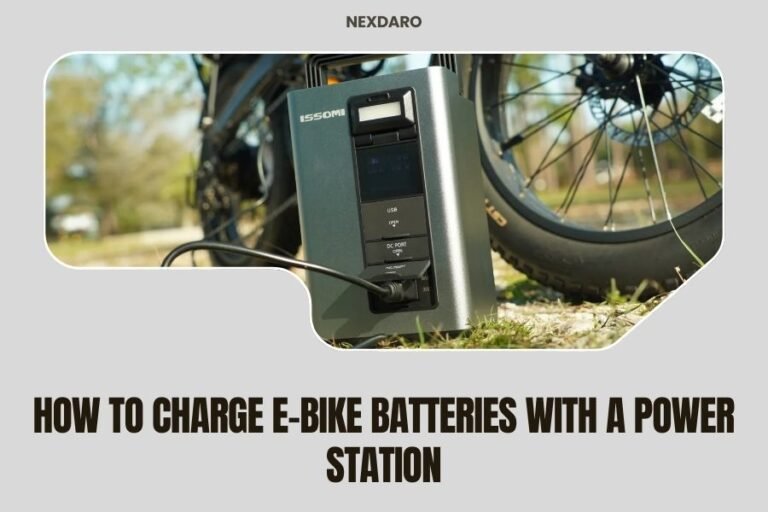
Portable power stations are like having a wall outlet in your backpack. They store massive amounts of energy and can charge multiple devices simultaneously.
I found that power stations work best for groups or when you need to charge larger devices like cameras, laptops, or even small coolers.
Choosing the Right Power Station Capacity
Capacity matters more than brand names. Here’s what research shows you need:
| Festival Length | Recommended Capacity | Devices Supported |
|---|---|---|
| 1-2 days | 200-400Wh | 2-3 phones, camera, small lights |
| 3-4 days | 500-1000Wh | Multiple phones, cameras, tablets, speakers |
| 5+ days | 1000Wh+ | All devices plus small appliances |
Weight vs. Power Trade-offs
Bigger power stations pack more energy but weigh more. A 1000Wh unit might weigh 25 pounds. Can you carry that plus your camping gear?
Many festival experts recommend splitting the load. One person carries the power station, others carry lighter backup batteries.
Essential Power Station Features for Festivals
Not all power stations handle festival life well. I found these features make the biggest difference:
- Multiple USB ports for simultaneous charging
- AC outlets for cameras and laptops
- LED lights for campsite visibility
- Water-resistant rating (IP65 or better)
- Pass-through charging capability
Dust and Weather Protection
Festivals mean dust, spilled drinks, and sudden rain. Your power station needs protection.
Look for IP ratings. IP65 means dust-tight and water-resistant. IP67 can handle brief water submersion.
Solar Charging: Free Festival Power
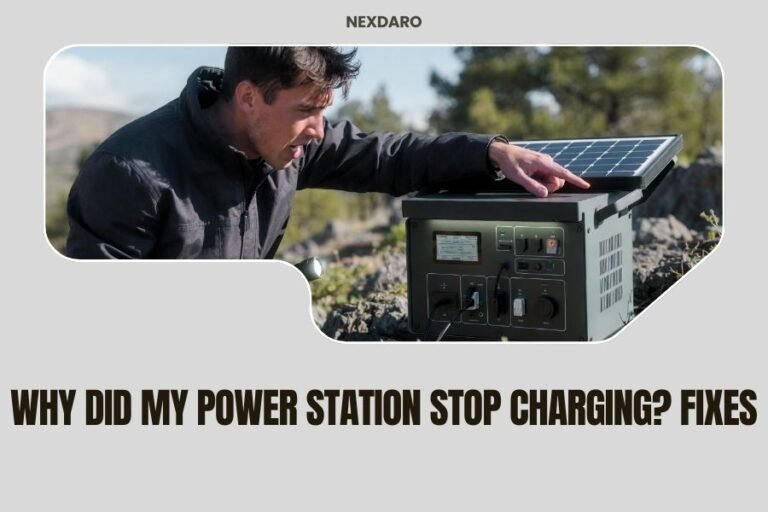
Solar panels turn sunshine into phone battery. They work great during long festival days when you’re away from your campsite.
I researched solar setups and found they work best as backup charging, not primary power sources.
Realistic Solar Expectations
Solar panels need direct sunlight to work well. Festival conditions aren’t always perfect:
- Cloudy days reduce output by 70-90%
- Shade from stages or trees kills charging
- Panel positioning matters – wrong angle means weak charging
- Dust and dirt reduce efficiency
Think of solar as bonus power, not your main strategy.
Best Solar Panel Types for Festivals
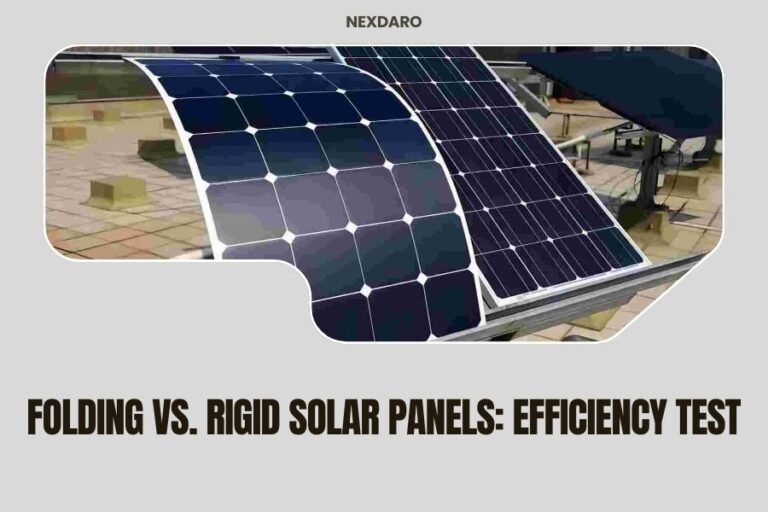
Foldable solar panels work better than rigid ones for festivals. They pack smaller and set up faster.
Look for panels with built-in USB ports and voltage regulation. Raw solar output fluctuates too much for direct device charging.
Solar Power Station Combos
Solar panels paired with power stations create unlimited charging potential. Panels charge the power station during the day, you use stored power at night.
This setup works best for long festivals where you can set up a semi-permanent camp.
Battery Packs: Your Pocket Power Solution
Battery packs (power banks) are the festival workhorses. They’re small, light, and reliable.
I found that bringing multiple smaller battery packs works better than one huge one. You can share them, lose one without disaster, and they fit in different pockets.
Battery Pack Capacity Guide
Phone batteries range from 3000-5000mAh. Here’s what different power bank sizes actually give you:
- 10,000mAh: 2-3 full phone charges
- 20,000mAh: 4-6 full phone charges
- 30,000mAh: 6-8 full phone charges
Remember, you lose about 20% to conversion efficiency. A 10,000mAh battery bank gives your phone about 8,000mAh of actual power.
Fast Charging Features
Look for power banks with Quick Charge or Power Delivery. They charge your devices faster and recharge themselves quicker too.
Fast charging saves time. Instead of waiting hours for a full charge, you get usable battery in 30-45 minutes.
Multiple Port Benefits
Power banks with 2-4 USB ports let you charge multiple devices or share with friends. This builds festival karma and makes you popular at the campsite.
Device-Specific Charging Strategies
Different devices have different power needs. Your charging strategy should match your gear.
Smartphone Charging Priorities
Your phone is probably your most needed device. Here’s what I learned about festival phone management:
- Enable low power mode early, not when battery hits 20%
- Download offline maps before the festival
- Turn off background app refresh for non-essential apps
- Use airplane mode in areas with poor signal
Poor cell signal makes phones work harder, draining batteries faster.
Camera and Action Cam Power
Cameras eat batteries. Bring 3-4 spare batteries per camera for multi-day festivals.
External battery grips extend shooting time and give you something to hold. They’re worth the extra weight for serious festival photographers.
LED Lights and Safety Gear
Festival campsites get dark. Really dark. LED lights help you find your tent, avoid guy-wires, and signal friends.
Rechargeable LED lanterns with power bank features serve double duty. They light your space and charge your phone.
Power Management During Multi-Day Festivals
Long festivals require power rationing. You can’t charge everything to 100% every night.
Daily Power Budgeting
Plan your power use like planning your money. High-priority devices get charged first:
- Phone (communication, tickets, maps)
- Camera (capturing memories)
- Lights (safety)
- Speakers (nice but not needed)
Charge Scheduling
Charge devices during low-use periods. Early morning or late evening work best.
Rotate charging priorities. Charge your phone fully on day one, camera on day two, then repeat.
Group Power Sharing
Coordinate with your festival crew. One person brings the big power station, others bring battery packs and cables.
This spreads the weight and cost while making sure everyone stays charged.
Weather-Proofing Your Power Setup
Festivals happen in all weather. Your power gear needs protection from rain, dust, and temperature swings.
Waterproofing Strategies
Even waterproof gear can fail. I found these backup protection methods work well:
- Zip-lock bags for small devices and cables
- Dry bags for larger power stations
- Trash bags as emergency covers
- Towels for quick drying
Temperature Considerations
Batteries hate extreme temperatures. Hot car trunks and freezing nights reduce capacity and lifespan.
Keep power gear in your tent or covered areas when possible.
Backup Power Plans
What happens when your main power plan fails? Having backup options saves your festival experience.
Emergency Charging Options
Most festivals have some charging infrastructure:
- Paid charging stations (usually $5-10)
- Vendor booths that let you plug in
- Car charging from day parking
- Borrowing from friendly neighbors
Conservative Power Use
When power runs low, switch to emergency mode. Use phones for needed communication only. Skip the social media until you’re recharged.
Budget-Friendly Power Solutions
You don’t need expensive gear for good festival power. Smart shopping and planning work better than spending lots of money.
DIY Power Station Alternatives
Multiple smaller battery packs can replace one expensive power station. You get similar capacity for less money, plus redundancy if one fails.
Shared Group Equipment
Split costs with your festival group. One power station shared among four people costs $50-75 each instead of $200-300.
Conclusion
Staying charged at music festivals takes planning, not just gear. The best power solution combines portable power stations for base camp charging, battery packs for mobility, and smart device management to make everything last longer.
Start with one quality battery pack and add gear based on your specific needs. Remember that reliable basic charging beats fancy features that might fail when you need them most.
How long will a 20,000mAh power bank last at a festival?
A 20,000mAh power bank typically provides 4-6 full smartphone charges, lasting 2-3 days with moderate use including photos, messaging, and navigation. Heavy camera and video use will drain it faster.
Can I bring portable power stations through festival security?
Most festivals allow portable power stations, but check specific event rules first. Some restrict lithium battery capacity over 100Wh for safety reasons. Smaller power banks under 27,000mAh are usually fine at any festival.
Do solar panels work well in crowded festival environments?
Solar panels work poorly in crowded festivals due to limited direct sunlight, dust, and positioning challenges. They’re better as supplementary charging rather than your primary power source. Expect 30-50% of rated capacity in real festival conditions.
What’s the most efficient way to charge multiple devices at once?
Use a power station or multi-port battery pack with different output types (USB-A, USB-C, wireless). Charge your most-used device first, then add others. Fast-charging ports can fully charge a phone while slowly charging secondary devices.
How do I protect my charging equipment from festival weather and theft?
Keep charging gear in sealed bags when not in use, store valuable items in your tent or with trusted friends, and consider cable locks for expensive power stations. Mark your equipment with contact info and avoid leaving anything unattended in common areas.